Sonic fans have spent decades arguing over where one era ends and another begins. Takashi Iizuka has now given us his own answer.
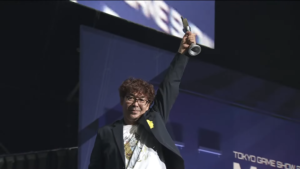
Speaking with AUTOMATON WEST at Tokyo Game Show 2026, the Sonic series general producer was asked how he views the different periods of Sonic’s 35-year history. His answer splits the franchise into three major eras, beginning with the original Mega Drive games, moving into Sonic Adventure and 3D, and then taking another major turn when Sonic arrived in cinemas.
Iizuka identifies 1991 through roughly 1997 as Sonic’s “Classic” era, beginning with the original Sonic the Hedgehog. That cutoff lines up pretty neatly with what fans now generally understand as Classic Sonic, although the label itself would not become formally established in the games until much later.
Then came 1998.
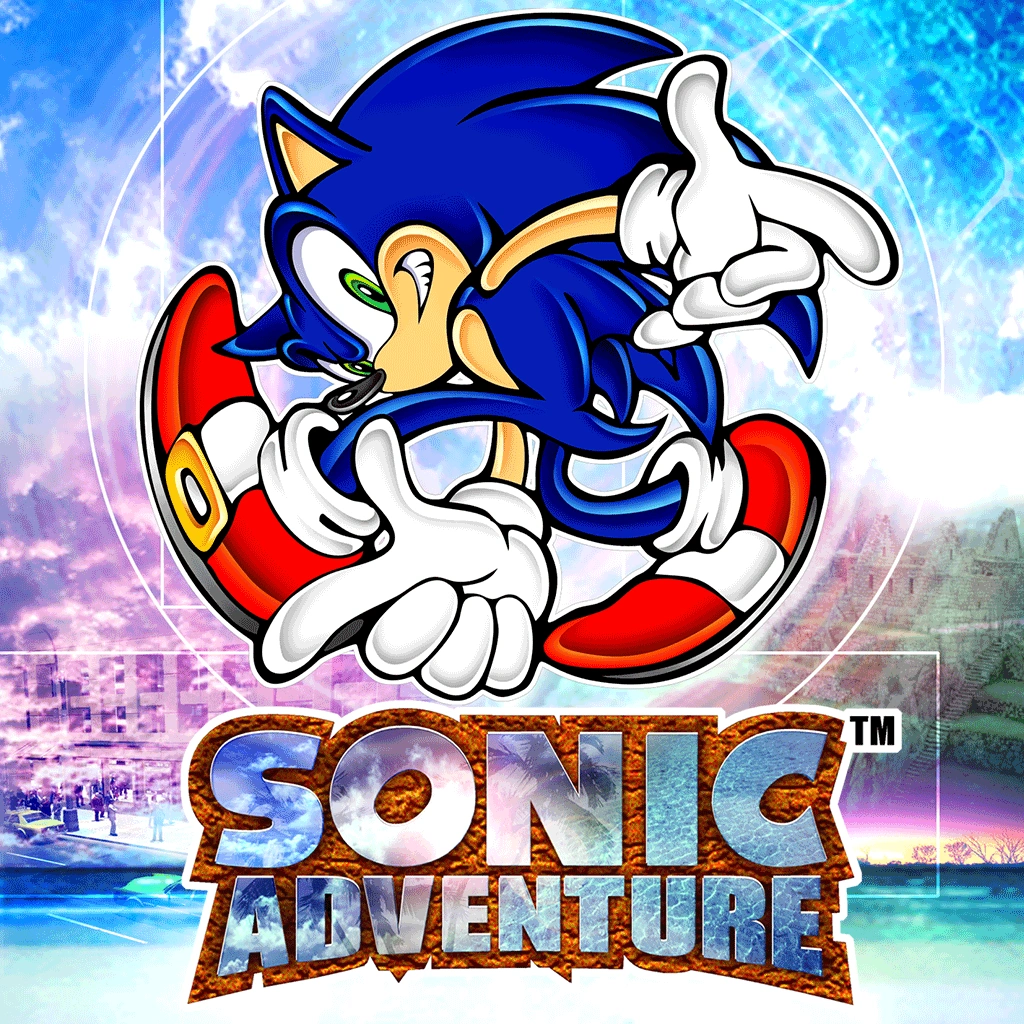
“Then, Sonic Adventure came out in 1998, marking the ‘second generation’ era, in which Sonic began evolving into a new form that spoke and moved in 3D.”
That makes Sonic Adventure the beginning of Iizuka’s second generation, and it is easy to see why. The Dreamcast game did considerably more than move Sonic from sprites into polygons. It introduced the redesigned version of Sonic that would become his Modern appearance, full voice acting, a much more cinematic presentation and the basic approach to 3D Sonic movement that still influences the series today. Iizuka recently described Adventure as one of the biggest turning points in Sonic’s history, explaining how its camera and Homing Attack helped solve some of the fundamental problems of making high-speed Sonic gameplay work in three dimensions.
What is more surprising is where Iizuka draws the next line.
Not at Sonic Frontiers. Not at the beginning of the Boost formula. Not even at another game at all.
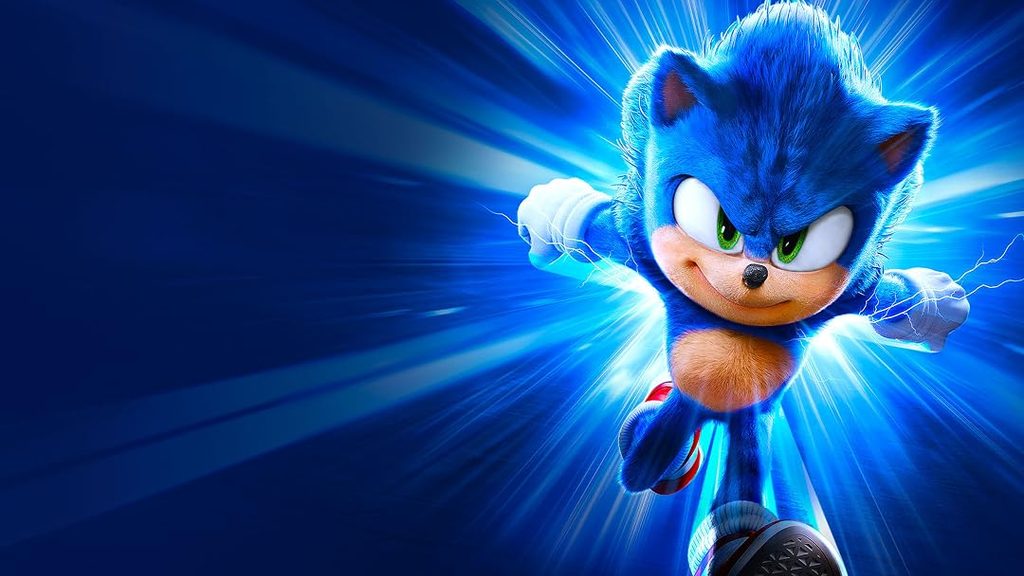
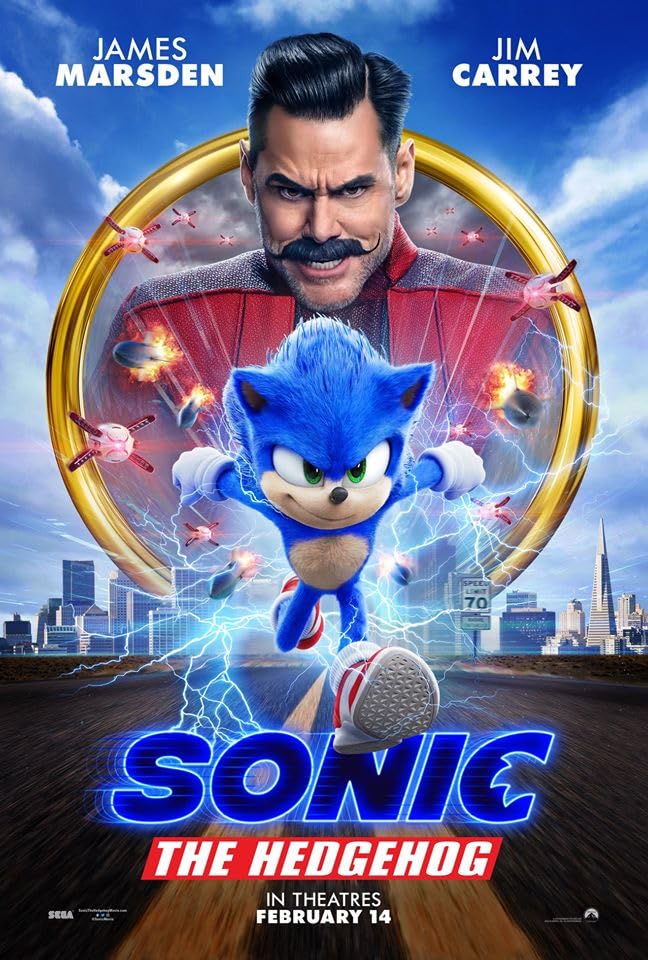
For Iizuka, the next major generation begins in 2020, with the release and worldwide success of the first Sonic the Hedgehog movie.
“If I were to define one more major period, I’d say it was around the time the movies came out. The first movie was released in 2020, and thanks to its success around the world, the Sonic franchise grew dramatically.”
Iizuka points to the movie series now extending through plans for a fourth film as evidence of just how much Sonic’s position changed after 2020. In his view, that was when the brand itself began expanding into a new generation rather than simply another phase of game development.
This is not the first time Iizuka has talked about “generations” of Sonic, and the two classifications are describing different things.
During the development of Sonic Frontiers, Iizuka and director Morio Kishimoto described its Open Zone design as part of a “third generation” of Sonic gameplay, following the original 2D games and the 3D formula established by Sonic Adventure. We covered those comments back in 2022, when Iizuka discussed Frontiers as Sonic Team’s attempt to establish a new foundation for future games.
The new AUTOMATON interview is looking at something broader. Iizuka is dividing Sonic’s overall 35-year history, including the growth of the character and brand beyond games. Under that framework, the Classic era runs from 1991 to around 1997, Sonic Adventure launches the second generation in 1998, and the movies begin another new generation in 2020. His separate gameplay-based classification can still place Frontiers at the beginning of a third generation of game design without contradicting any of this.
And the rest of the interview helps explain why Iizuka considers 2020 such a big dividing line. He says the movies exceeded SEGA’s expectations, dramatically increased awareness of Sonic around the world and brought more people into the games. Stronger game sales have in turn given SEGA more resources for future development, while Netflix has made it considerably easier to bring Sonic animation to a worldwide audience at the same time.
So perhaps “Classic” and “Modern” are no longer quite enough to describe Sonic’s history.
From Iizuka’s perspective, the series went from Classic Sonic, to the 3D generation created by Sonic Adventure, and then into a new era where Sonic is no longer growing through games alone.
And apparently that third chapter started in a movie theater.
Stay tuned to Sonic City for more Sonic News and Updates!
Discover more from Sonic City ⋆★ Sonic the Hedgehog News, Media, & Community ★⋆
Subscribe to get the latest posts sent to your email.