Sonic the Hedgehog has been running for 35 years, and Sonic series general producer Takashi Iizuka has looked back on how the Blue Blur became one of gaming’s most recognizable characters.
In a new interview with @DIME, Iizuka discussed Sonic’s creation, the role of the Mega Drive, the leap to 3D with Sonic Adventure, the creation of Shadow the Hedgehog, and the importance of fans in keeping the series moving forward across games, animation, films, music, merchandise, and live events.
According to Iizuka, Sonic was born during a period when SEGA was trying to strengthen the Mega Drive against Nintendo’s dominance in the home console market. Rather than simply make another side-scrolling action game, the development team focused on using the Mega Drive’s processing power to create something built around speed.
That idea shaped Sonic from the beginning. Iizuka explained that the team wanted players to feel the thrill of racing down slopes, carrying momentum, and running through loops instead of simply walking across flat stages and jumping over obstacles. Sonic’s identity was therefore built around speed not only as a character trait, but as the central feeling of the game itself.
Iizuka also addressed why Sonic became a hedgehog. According to him, it was not because hedgehogs are naturally associated with speed. The choice came from gameplay. Since fast action leaves little time for players to stop and think about how to defeat enemies, the team wanted a simple system where jumping could also work as an attack. A hedgehog that curls into a ball with spikes facing outward fit that idea perfectly, allowing Sonic to attack naturally while jumping or rolling.
The first Sonic the Hedgehog went on to become a major hit, helping define the Mega Drive era and establishing Sonic as SEGA’s flagship character. Iizuka said the game’s success came not only from strong game design, but also from how well Sonic matched SEGA’s overseas marketing strategy.
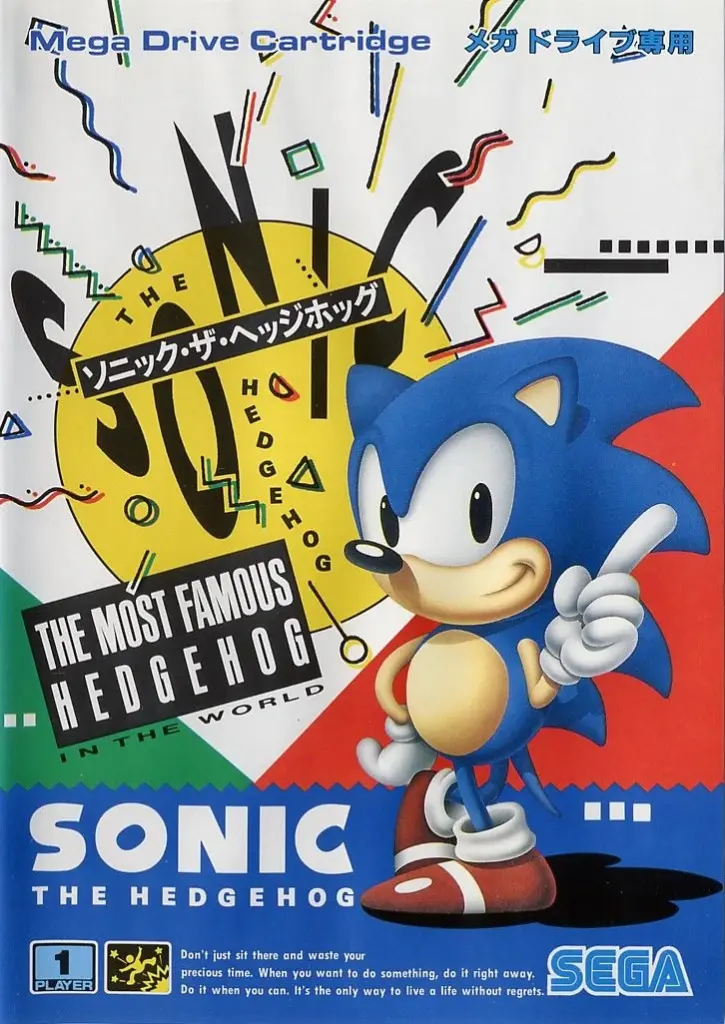
While Nintendo had a strong family-friendly image, SEGA pushed the Mega Drive as something cooler and more stylish for teenagers and young adults in markets such as North America and Europe. Sonic’s approachable design, confident attitude, and stylish personality fit that strategy, helping the character become part of youth culture before spreading further into family audiences.
The interview also revisits Sonic Adventure, which marked one of the biggest turning points in the series. Developed for the Dreamcast, Sonic Adventure was the franchise’s first full-scale 3D action game and brought major changes to Sonic’s presentation, including voiced characters, cinematic cutscenes, six playable characters, and multiple storylines that eventually unlocked a final scenario.
Iizuka said the team had been away from Sonic for a period while working on other projects, and he felt the character’s popularity had started to cool down. Because of that, Sonic Adventure was developed with a strong desire to give fans the best Sonic game the team could possibly make.
Looking back, Iizuka described Sonic Adventure as almost excessive in scale, with six characters, individual stories, a final scenario, full 3D movement, voices, and cinematic presentation. For Sonic, it was a game full of firsts.
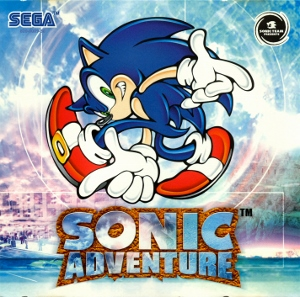
One of the biggest challenges was making Sonic’s speed work in 3D. Iizuka explained that the team initially struggled because players could easily lose track of where to go, even if the developers had built a course that felt good when followed correctly. To solve this, he developed a camera system that adjusted based on the terrain and player movement, allowing players to keep pushing forward while the camera naturally showed the direction ahead. He said the idea helped Sonic Adventure finally take shape, and that the team even applied for a patent for the system.
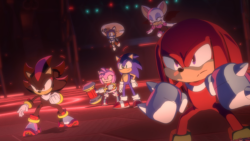
The interview also covers Shadow the Hedgehog, who made his debut in Sonic Adventure 2. Iizuka said the early Sonic Adventure 2 team had only 11 people, a major contrast from the peak of Sonic Adventure development, which involved more than 100 people. As the team worked out how to build a sequel with a smaller group, the concept of a Hero side and Dark side took shape.
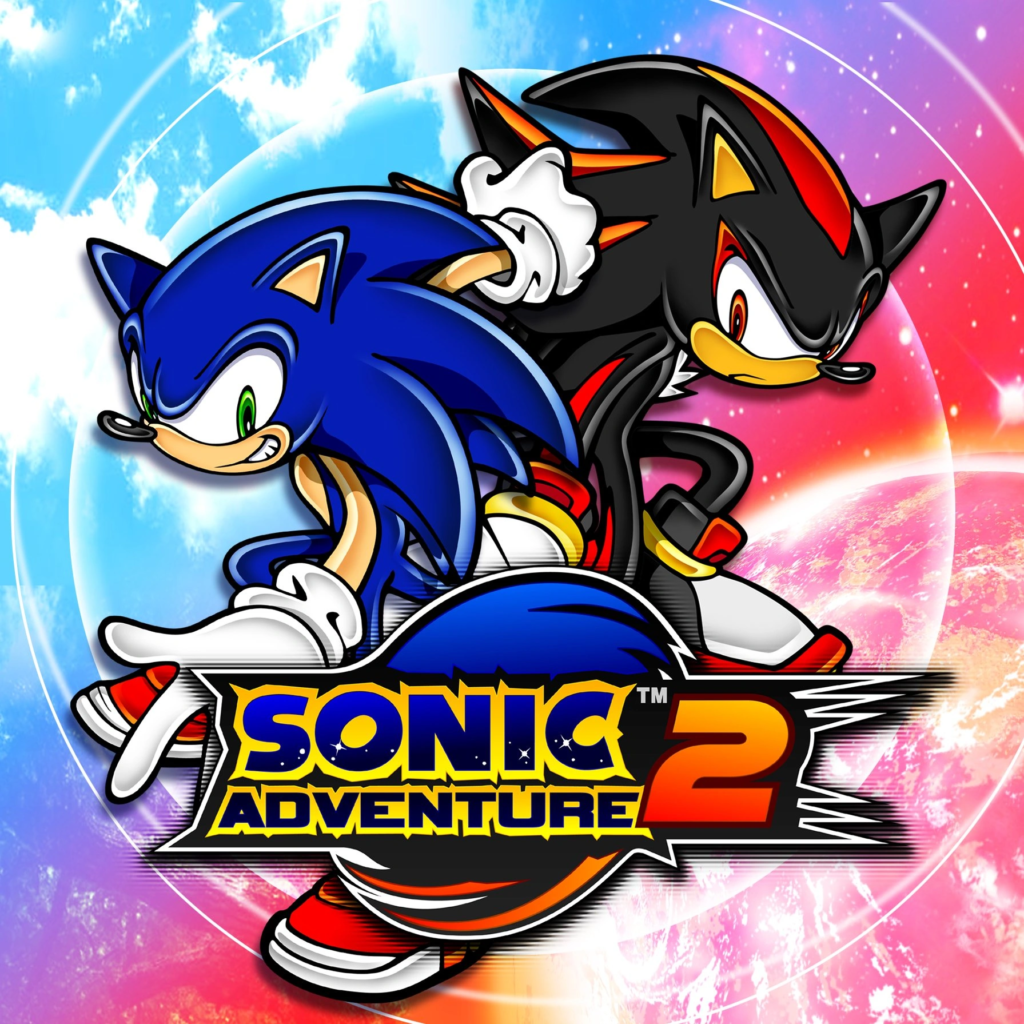
Shadow was created as the rival who would represent the Dark side. Iizuka said he was influenced by the popularity of darker hero characters in the United States at the time, including figures such as Batman. The goal was to create a cool, darker counterpart to Sonic. Although Iizuka hoped Shadow would be popular, he said the team originally created him specifically for Sonic Adventure 2 and did not initially plan for him to become a long-running character.
More than two decades later, Shadow has become one of the franchise’s biggest names, appearing in games, merchandise, animation, and the film series. His role in Sonic the Hedgehog 3, released in Japan as Sonic x Shadow Tokyo Mission, helped bring the character to a broader global audience, with Keanu Reeves voicing Shadow in the film.
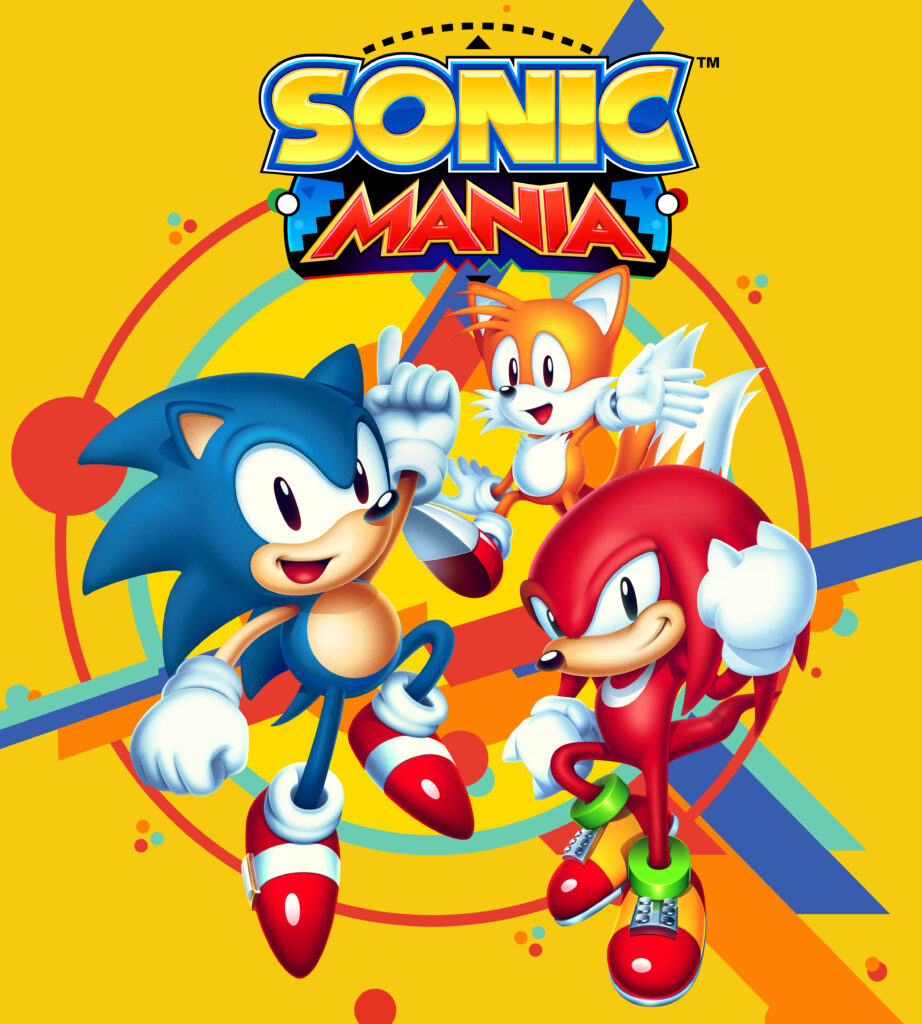
Iizuka also reflected on the importance of Sonic Mania, which was developed by creators who had grown up as Sonic fans. The project became a symbol of Sonic’s relationship with its community, showing how years of fan support and communication could lead to a game built by people who deeply understood what longtime players loved about the classic era.
As Sonic celebrates his 35th anniversary, Iizuka said his strongest feeling is gratitude. He noted that 35 years does not simply mean time has passed. For Sonic, it also means the series has continued releasing new work across those decades. A game series can end if new releases stop selling, but Sonic has continued because fans have kept supporting each new step.
That fan support is also shaping the anniversary year itself. Japan and other Asian regions are hosting an official fan meeting tour, while SEGA has also released the 35th anniversary song “Speed Is My Life” in English, Japanese, and Chinese versions, with different creators involved across regions.
For Iizuka, the 35th anniversary is a chance to give that support back to the fans who helped Sonic survive, evolve, and grow across generations. Sonic’s history has included reinvention, risk, global expansion, fan collaboration, and moments where the series had to rebuild its momentum. Through it all, Sonic has remained defined by speed, freedom, attitude, and the drive to keep moving forward.
After 35 years, the Blue Blur is still running toward whatever comes next.
Stay tuned to Sonic City for more Sonic News and Updates!
Discover more from Sonic City ⋆★ Sonic the Hedgehog News, Media, & Community ★⋆
Subscribe to get the latest posts sent to your email.