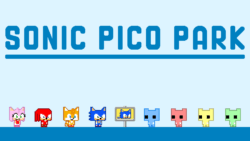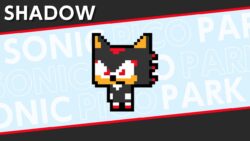
Sonic Pico Park is not being treated as a simple Sonic reskin of PICO PARK.
In a new interview with Denfaminico Gamer during Summer Game Fest 2026 Play Days, producer Shintaro Shimazu of PICO PARK Inc. and director Shunsuke Miyake of TECOPARK discussed how the surprising collaboration came together, why Sonic was chosen, and what it means for SEGA to license the Sonic series to an indie team for the first time.
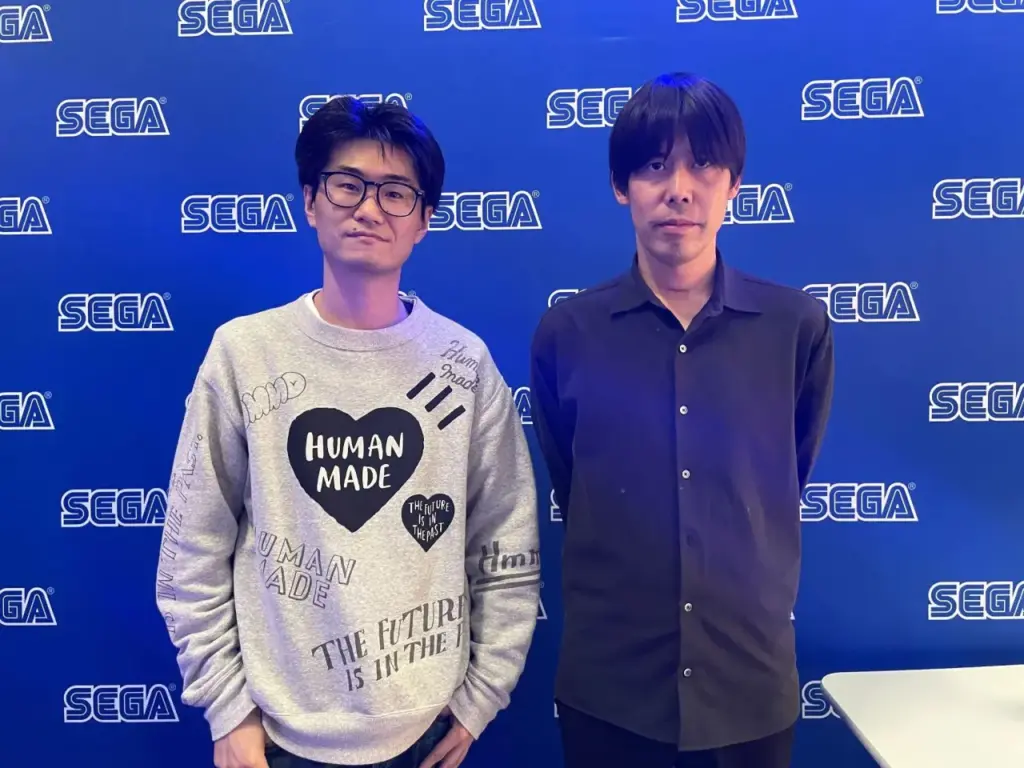
The project was announced during Summer Game Fest 2026 as a collaboration between SEGA’s Sonic the Hedgehog franchise and PICO PARK, the cooperative action puzzle series known for its simple controls, chaotic teamwork, and two-to-eight-player multiplayer. According to the interview, the PICO PARK series has now surpassed 8 million units sold, with the first game over 6 million and PICO PARK 2 over 2 million.
Shimazu explained that PICO PARK Inc. was created as a way to help expand the series worldwide, with TECOPARK continuing to focus on development while PICO PARK Inc. supports promotion and broader production. As the team looked at ways to bring PICO PARK to more players, especially core game fans and audiences in the United States, the idea of collaborating with a major IP began to take shape.
That eventually led to Sonic. Shimazu, who had existing ties with SEGA through promotional work, said he personally pitched the idea to SEGA president Shuji Utsumi. Miyake, who previously worked at SEGA, was surprised by the possibility of working with Sonic, describing the IP as one he had personal attachment to.
Miyake said Sonic stood out because the series has actions and mechanics that are different from a typical 2D platformer. Rather than simply replacing PICO PARK’s characters with Sonic characters, the team saw a chance to create new cooperative situations built around Sonic-style movement.
One of the key ideas behind the game is what Miyake calls “accidents that can be excused.” In PICO PARK, mistakes are not meant to create frustration in a negative way. They are meant to spark conversation, laughter, and playful blame between players. Miyake gave the example of Tails using a Spin Dash, accidentally hitting Sonic, and sending him into danger, creating a moment where one player can say, “What are you doing?” and the other can answer, “I was trying to brake!”
That philosophy shaped how Sonic mechanics were added to the game. Spin Dash, springs, loops, character abilities, Tails’ flight, Knuckles’ gliding, and other Sonic elements are not just fan-service touches. They are designed to create new kinds of cooperative mishaps, conversations, and problem-solving moments.
The team initially created a prototype to help SEGA understand what the crossover would actually feel like. Shimazu said the first version leaned quite heavily toward Sonic, partly because of Miyake’s respect for the franchise as a former SEGA developer. The project’s direction became clearer after Sonic series producer Takashi Iizuka told them, in essence, not to focus only on making Sonic, but to make PICO PARK and create what Miyake wanted to make.
Miyake said he spoke with Iizuka several times during development, including direct discussions about what the team could and could not do with the Sonic IP. According to Miyake, there were still rules to respect, but Iizuka often responded positively to the team’s ideas.
The interview also highlights the technical side of the game. Sonic Pico Park keeps the two-to-eight-player structure of PICO PARK, which Shimazu described as much harder to balance than it may look. The game needs to work whether there are two players or eight, while also accounting for Sonic-specific actions and character abilities. Miyake noted that PICO PARK’s physics are built with custom systems rather than Unity’s standard physics, and Sonic Pico Park continues that approach with support from Gemdrops on system implementation.
Miyake repeatedly emphasized that the heart of the game is communication. Whether players are together locally or playing online, the goal is to create moments where people talk, laugh, argue lightly, recover, and leave with a shared memory. He also said that while PICO PARK does not have a traditional story, the conversations created by players become their own kind of story.
The most notable part of the interview may be what the collaboration means for Sonic itself. Shimazu said Sonic Pico Park is credited as “licensed by SEGA,” meaning SEGA has entrusted the Sonic IP to an outside indie team through a license-out model. He described it as an important and emotional handoff, especially during Sonic’s 35th anniversary year.
For Miyake, the project also carries a personal meaning as a former SEGA developer. He described Sonic Pico Park as a chance to give something back to the company where he once worked, while also embracing what he sees as the spirit of indie development: trying something new and surprising players.
Sonic Pico Park is currently in development, with a Steam store page already available. While the game may look light and silly on the surface, the interview makes clear that the team is approaching it with serious care, aiming to create a Sonic collaboration that stands on its own as a new cooperative experience rather than a simple crossover skin.
You can read the fully translated interview by clicking here.
Stay tuned to Sonic City for more Sonic Pico Park News and Updates!
Discover more from Sonic City ⋆★ Sonic the Hedgehog News, Media, & Community ★⋆
Subscribe to get the latest posts sent to your email.