A playable build of Treasure Tails, SEGA’s long-lost Mega Drive adventure starring Tails, has finally surfaced after more than three decades! Hidden Palace and DevStash have released an April 1993 prototype of the cancelled game, complete with source code and design documents, as part of a much larger recovery of Sega Technical Institute’s early development history.
The discovery comes from former STI programmer Ken Rose, who preserved floppy disks containing material from six projects developed between 1990 and 1994. Following an interview with DevStash founder Ashley Rojas, Rose went digging through his old collection, uncovering prototypes and source code that had survived long after their games were abandoned.
For Treasure Tails, that’s quite a find. The game first became known to fans in 2020 when former STI artist Craig Stitt shared blurry development mockups recovered from a VHS résumé he had recorded in 1995. Until now, those images were practically all we had of the mysterious Tails spin-off.
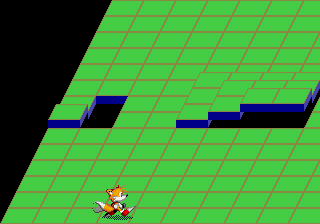
The game was planned as an isometric puzzle-adventure, sending Tails through a maze-like world rather than the traditional side-scrolling stages of the Sonic series. SEGA of America had requested a relatively small Tails game for Christmas 1993, with Rose and Earl Stratton handling programming, Hoyt Ng on design and Stitt responsible for the artwork.
Unfortunately, the project proved far more ambitious than expected. Stitt estimated that completing the required animations alone would take roughly four years of work, and Treasure Tails was cancelled in April 1993. Its developers were reassigned to Sonic Spinball, where Rose went on to program the bonus rounds.
The recovered design documents also reveal an interesting connection to the Adventures of Sonic the Hedgehog cartoon. Treasure Tails was intended to tie into the episode “Tails’ Tale”, which follows the two-tailed fox on an adventure through an ancient temple. The temple artwork previously shown in Stitt’s mockups isn’t present in the recovered build, but the surviving material offers a much closer look at what STI had planned.
Fans can now download the prototype from Hidden Palace, along with its surviving source code and design documents. Gameplay from the recovered build has also been shared on YouTube.
And Treasure Tails is only part of the discovery. Hidden Palace has also released an April 1991 prototype of Jester, the cancelled clay-character platformer later known as Kinetix. The playable build features mechanics such as transforming into a bouncing ball and travelling through tubes, previously known largely through magazine coverage.
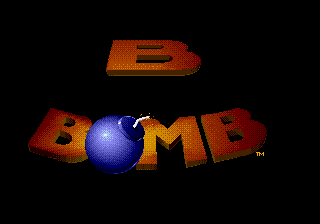
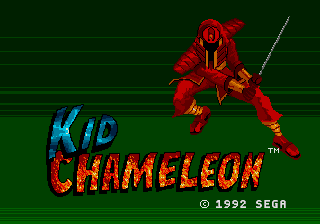
There’s also a July 1992 build of B-Bomb, an unusual vertically oriented platformer where players attack enemies by dropping onto them from above. Rose programmed the game in C, helping introduce the language to STI’s Western development projects. A newly recovered December 1991 Kid Chameleon prototype has also surfaced, containing leftover data that matches an existing Dark Empires build.

The archive goes further with source code for Dark Empires, STI’s cancelled fantasy strategy game. Its September 1991 prototype was already released last Halloween, but the newly recovered source offers another look behind its development, although missing assets currently prevent it from compiling.
Perhaps the most interesting technical discovery comes from Segapede, the cancelled platformer that eventually became Astropede. Compiling the recovered source code has produced an earlier January 1994 version with a different stage layout, predating the previously preserved June build. The files also contain a piece of Sonic Spinball‘s collision code, remnants of several other STI projects and the GEMS 2.2 sound system.
Preservation contributor vladikcomper has additionally prepared a restored Segapede source repository on GitHub, with adjustments to make compilation easier.
The recovery was coordinated by Ashley Rojas, with research and reverse-engineering contributions from MDTravis, Katsushimi and vladikcomper, alongside Rose’s own assistance in recovering the original material.
The complete collection, including the newly released prototypes and source code, is available through Hidden Palace’s Halloween preservation announcement.
Stay tuned to Sonic City for more Sonic News and Updates!
Discover more from Sonic City ⋆★ Sonic the Hedgehog News, Media, & Community ★⋆
Subscribe to get the latest posts sent to your email.