Morio Kishimoto has returned for the fourth entry in his ongoing Sonic Channel Q&A series, and this one covers everything from cut Sonic Frontiers ideas and The Final Horizon’s powered-up Super Sonic to the older Sonic games he would choose to remake.
With the physical Nintendo Switch 2 release of Sonic Frontiers Super Deluxe arriving in Japan on September 17, Kishimoto opened the new column by thanking fans for the questions still pouring in. The series was originally planned for six installments, but with only two entries remaining after this one and plenty of submissions still unanswered, he says he is now seriously considering whether to extend it.
One fan went straight for one of the bigger possibilities surrounding Frontiers: could all of the material that changed or disappeared during development ever lead to a Director’s Cut?
Kishimoto confirmed that there is plenty he would still like to revisit. He pointed to material that was cut because the team could not make it work, ideas they were unable to fully realize, concepts that arrived too late in development to have any hope of making the deadline, and things that Sonic Team would simply be capable of doing differently today.
“There are currently no plans for a Director’s Cut, but I want to make sure those experiences and ideas are put to good use in the games we make going forward.”
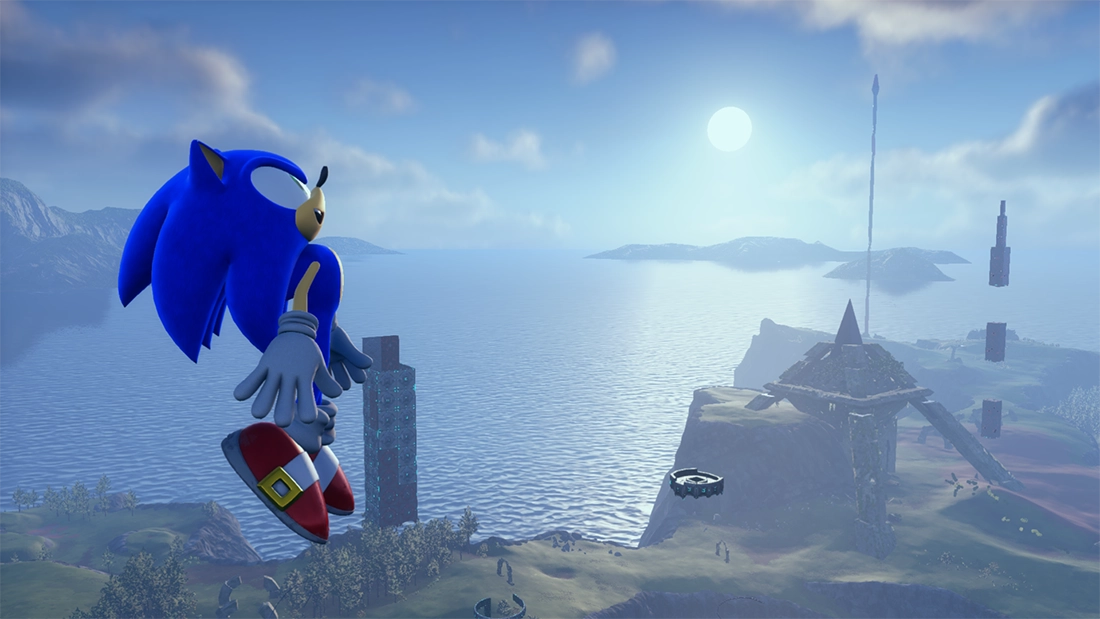
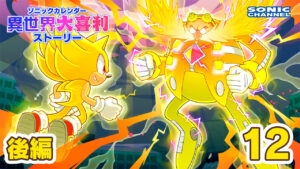
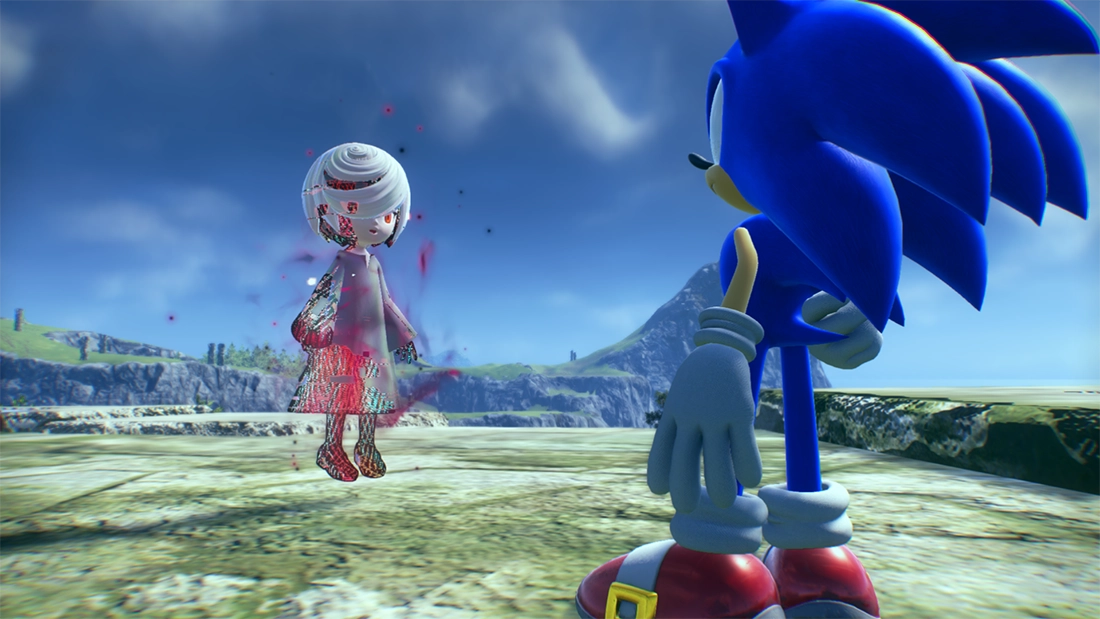
Kishimoto also addressed the still-unnamed powered-up form of Super Sonic used during The Final Horizon’s battle against The End.
The idea, he explained, came from a simple problem: if this alternate version of the story was going to let Sonic defeat an enemy he could not personally finish off in the original ending, then he needed power beyond ordinary Super Sonic. Rather than introduce another transformation from nowhere, Sonic Team turned the Cyber Corruption that had tormented Sonic throughout the game into something he could learn to control and use to enhance his Super form.
That fits neatly with Kishimoto’s recent clarification that The Final Horizon is a separate ending from the main game, rather than a replacement for the original conclusion.
As for what that form is actually called?
“That form which defeated The End does not have an official name.”
Kishimoto nevertheless had a little fun with the question, improvising possible names including something roughly along the lines of “Cyber Fusion Form” and “Cy-Power Resonance Form.” He immediately stressed that these were names he had just come up with on the spot and are not official terminology, before asking fans what they would call it themselves.
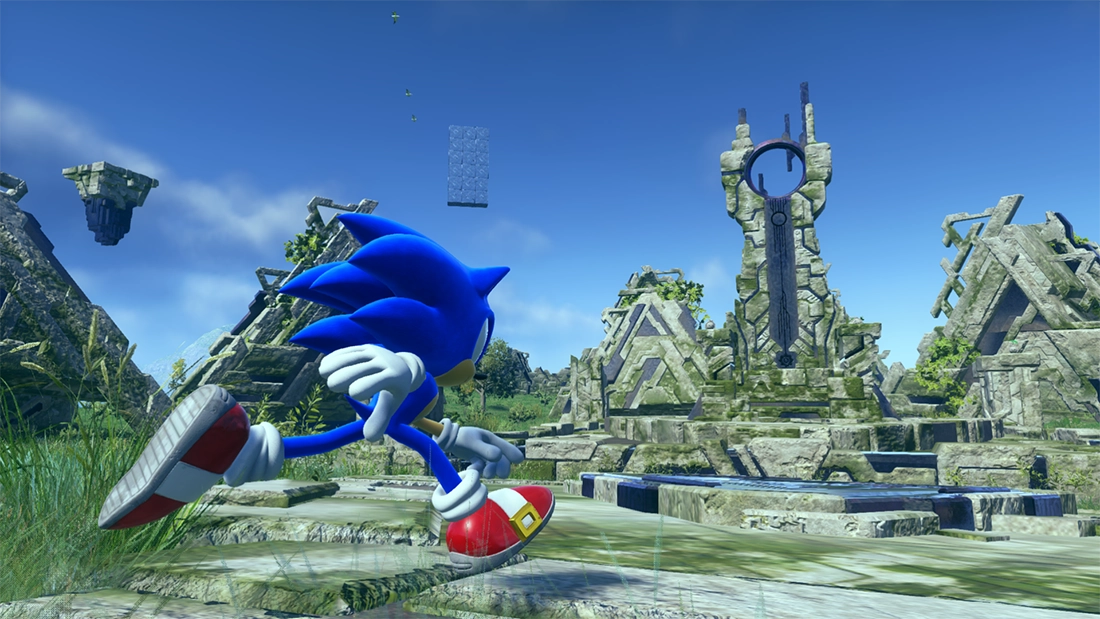
The conversation then moved away from Frontiers and produced perhaps the most interesting answer for fans of Sonic’s older 3D games.
Asked which Sonic title he would remake or reconstruct if given the chance, Kishimoto picked Sonic and the Secret Rings and Sonic and the Black Knight from among the games he personally worked on. The Storybook titles were his first two Sonic projects after joining Sonic Team, before he made his directorial debut with Sonic Colors.
“If it were me now, after continuing to hone my skills since then, I think I could do a better job. It would be a challenge to my younger self!”
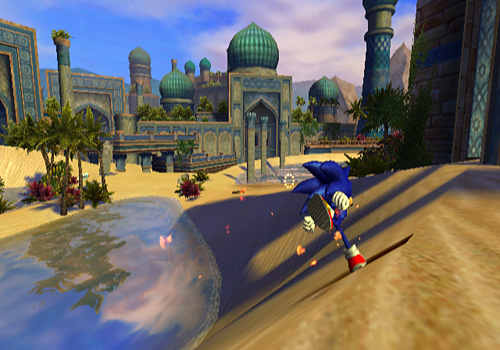
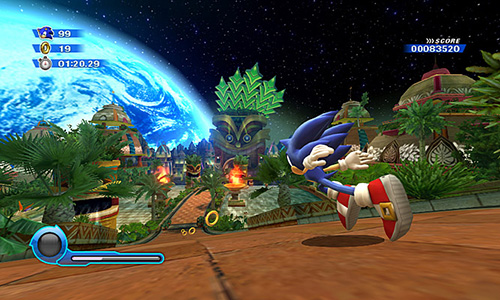
When it came to games he didn’t develop, Kishimoto singled out Sonic Unleashed, known as Sonic World Adventure in Japan, and Sonic the Hedgehog (2006) as titles that particularly interest him. Unleashed went on to provide the level-design foundation for the games between Sonic Colors and Sonic Forces, while Sonic 2006 was the large-scale project being developed alongside Secret Rings during Kishimoto’s early years with the series.
There is one game he would apparently rather leave well alone.
Kishimoto says the original Mega Drive Sonic the Hedgehog had the greatest influence on his life and was the game that originally made him aspire to join Sonic Team. Precisely because it means so much to him, however, he considers it far too important for him to dare remake or reconstruct himself.
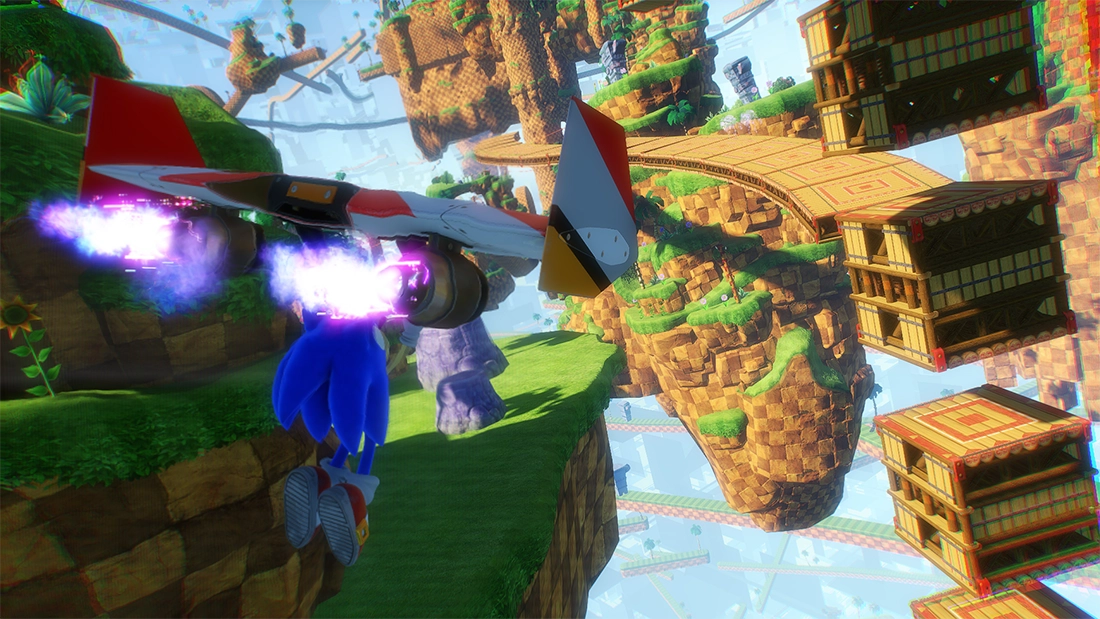
The new Q&A also sheds some light on how the recycled level layouts in Sonic Frontiers’ Cyber Space were selected. Kishimoto says the stages paying tribute to earlier Sonic games were drawn from levels he personally particularly loves. He would have liked to include more, but Sonic Team ultimately had to balance those homages against completely new level designs.
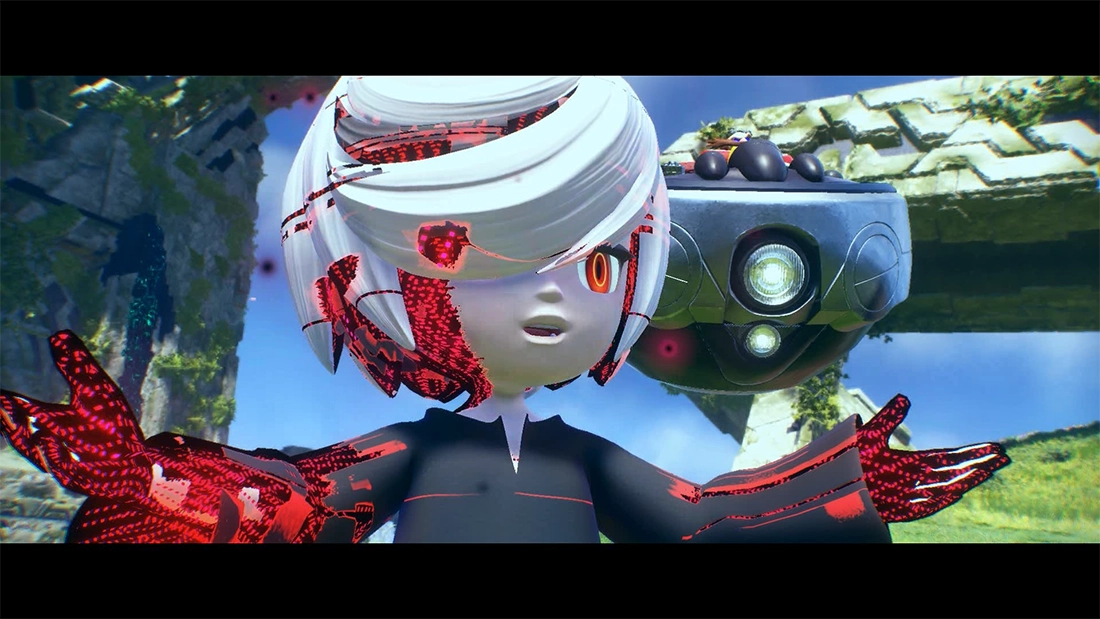
He also touched on the relationship between Sonic and Sage. Kishimoto compared their dynamic to the clashes that can happen between two kinds of game creators: those who approach development through logic, efficiency and data, and those who rely more heavily on instinct and inspiration.
Neither approach is inherently better, he argues. The interesting part comes when the two collide and arrive somewhere that neither person could have reached alone. For Sonic and Sage, Kishimoto sees a similar contrast between an action-oriented personality and a theory-oriented one.
Kishimoto also briefly returned to the mysterious “three-stage rocket” he referenced during Sonic’s 35th anniversary programming, telling fans that he will work to meet expectations for the second-stage ignition following the first. He did not reveal what that second stage actually is, so whatever Sonic Team has cooking remains firmly under wraps for now.
The fifth installment of Kishimoto’s column is next, although whether number six really turns out to be the end may depend on how long he can resist that growing pile of fan questions.
Stay tuned to Sonic City for more Sonic Frontiers News and Updates!
Discover more from Sonic City ⋆★ Sonic the Hedgehog News, Media, & Community ★⋆
Subscribe to get the latest posts sent to your email.