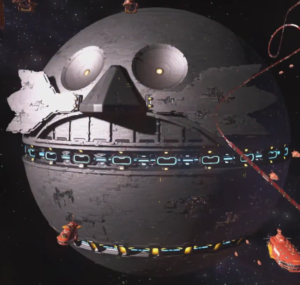
Sonic CD turned thirty three years old this November and its legacy continues to grow in importance. Released on the Sega CD at a time when most players were still discovering Sonic through the Genesis, this ambitious title pushed the series forward in unexpected ways. While it never achieved the same mainstream attention as the first two Genesis games, Sonic CD quietly paved the way for ideas and characters that would guide the franchise for decades.
The project originally began as a simple port of the first Sonic the Hedgehog for the new Sega CD hardware. As development progressed, the team realized they had an opportunity to build something far more ambitious. Director Naoto Ohshima and his team used the improved audio and visual capabilities of the system to expand the original formula with richer environments and crisp music that cartridges simply could not produce at the time. The result was a game that felt familiar in its basic design but completely fresh in execution.
The time travel mechanic became Sonic CD’s defining feature. Inspired by films like Back to the Future, the team created levels with past, present, and future variations. The player’s actions determined the outcome of each zone, giving Sonic CD a sense of cause and effect that was rare for platformers of the era. It offered an early glimpse of how consoles would evolve into more complex experiences as gaming shifted toward disc based media.
Sonic CD also introduced two characters who grew into major pillars of the series. Amy Rose made her debut here and would later become one of the most prominent figures in the franchise, appearing across games, comics, and animation. Metal Sonic also appeared for the first time and quickly became one of Sonic’s most iconic rivals. His boss race in Stardust Speedway remains one of the most memorable moments of the classic era.
These additions alone make Sonic CD a milestone, especially considering how early it arrived in Sonic’s history. Many fans discovered it years later through compilations, but its influence was already shaping the series. The game proved that Sonic could evolve beyond his established structure without losing the vibrant energy that made the franchise so distinctive.
Critics praised its stylish level design, energetic soundtrack, and technical ambition. Sales were limited by the Sega CD’s small install base, but the ideas introduced in Sonic CD continued to influence future titles. Its creative spirit can still be felt in games like Sonic Mania, which embraced the experimental charm and visual flair that Sonic CD championed.
Today, Sonic CD remains a major touchstone for creators and fans. Its influence is even reaching into the cinematic world. Sonic the Hedgehog 4 is expected to draw inspiration from the game, bringing its themes to a wider audience than ever before.
Three decades later, Sonic CD stands as one of the most daring and forward thinking entries in the series. It demonstrated how innovative the franchise could be and helped guide Sonic into a new era of storytelling, music, and world design. Sonic City will continue to celebrate the history behind games like this that shaped the blue blur’s journey.
Stay tuned to Sonic City for more Sonic CD News and Updates.
Discover more from Sonic City ⋆★ Sonic the Hedgehog News, Media, & Community ★⋆
Subscribe to get the latest posts sent to your email.