At first glance, Sonic Rivals looks exactly like the kind of game longtime Sonic fans would expect. Sonic races through loops, bounces from springs, grinds along rails, and tears across colourful stages at breakneck speed.
There is one important difference, though. You are never running alone.
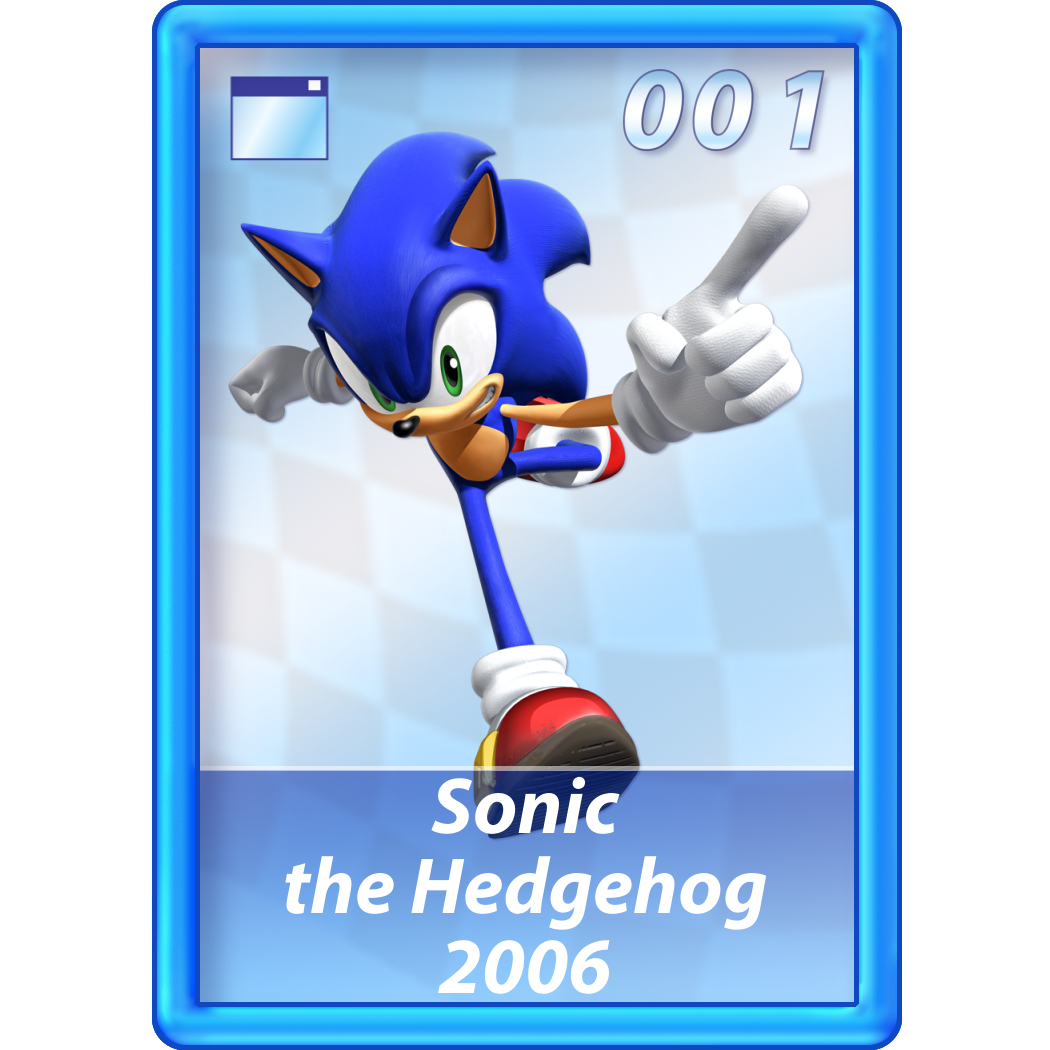
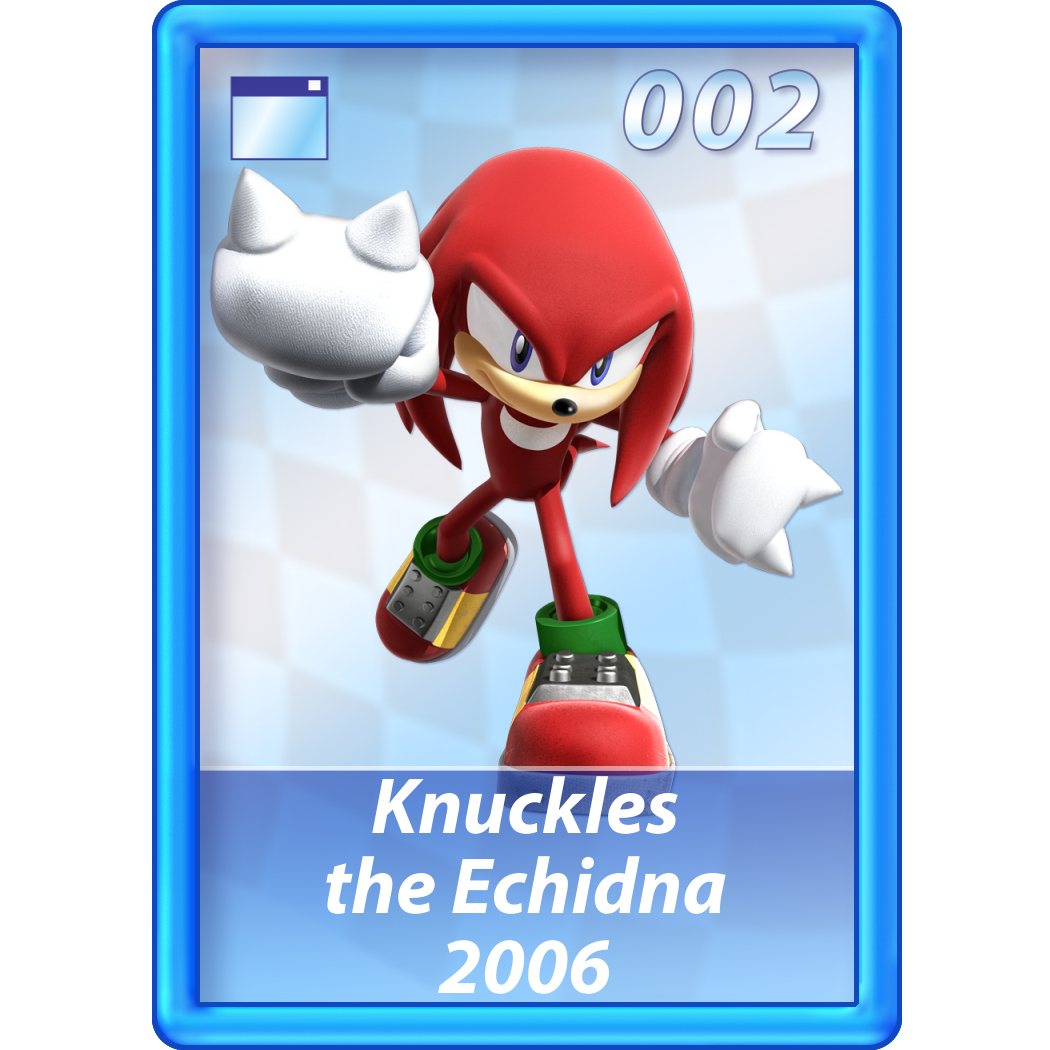
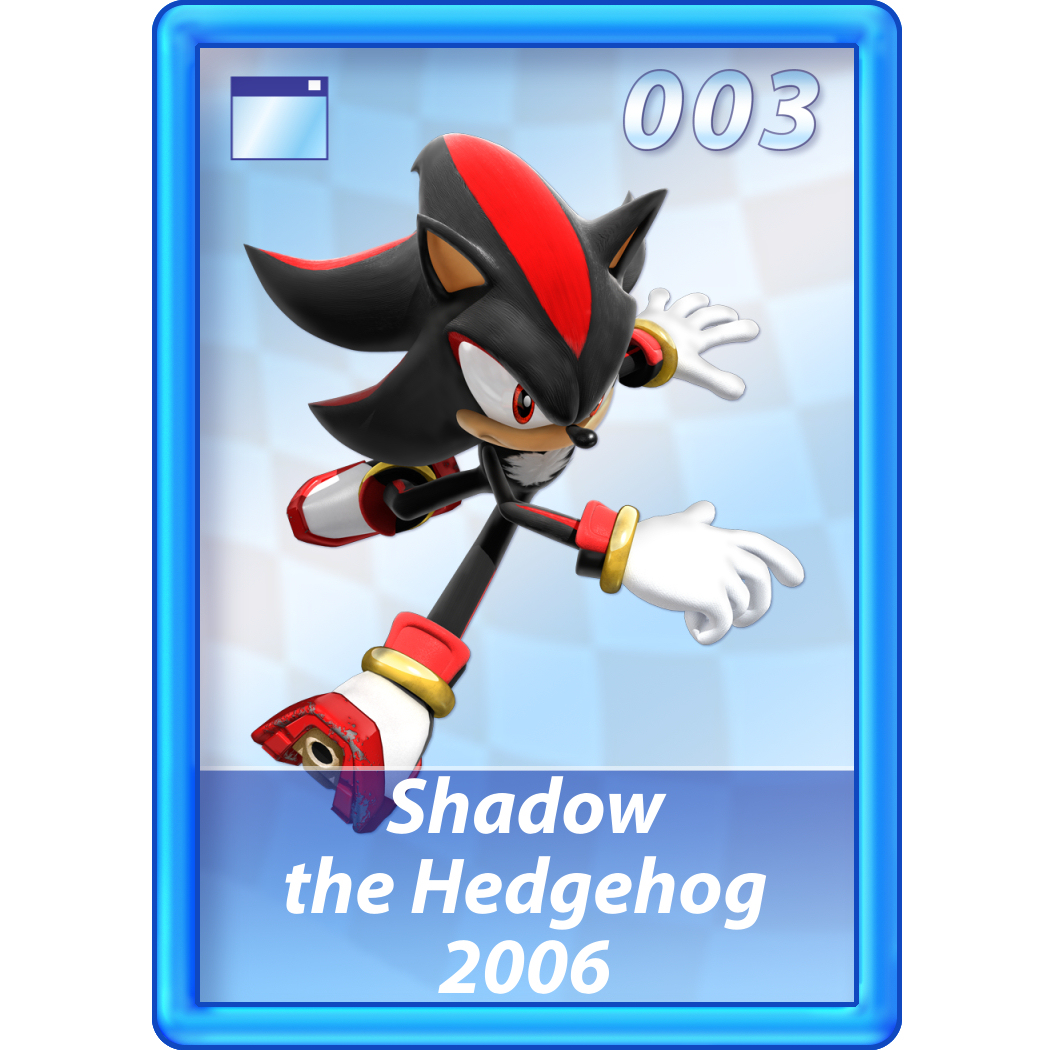
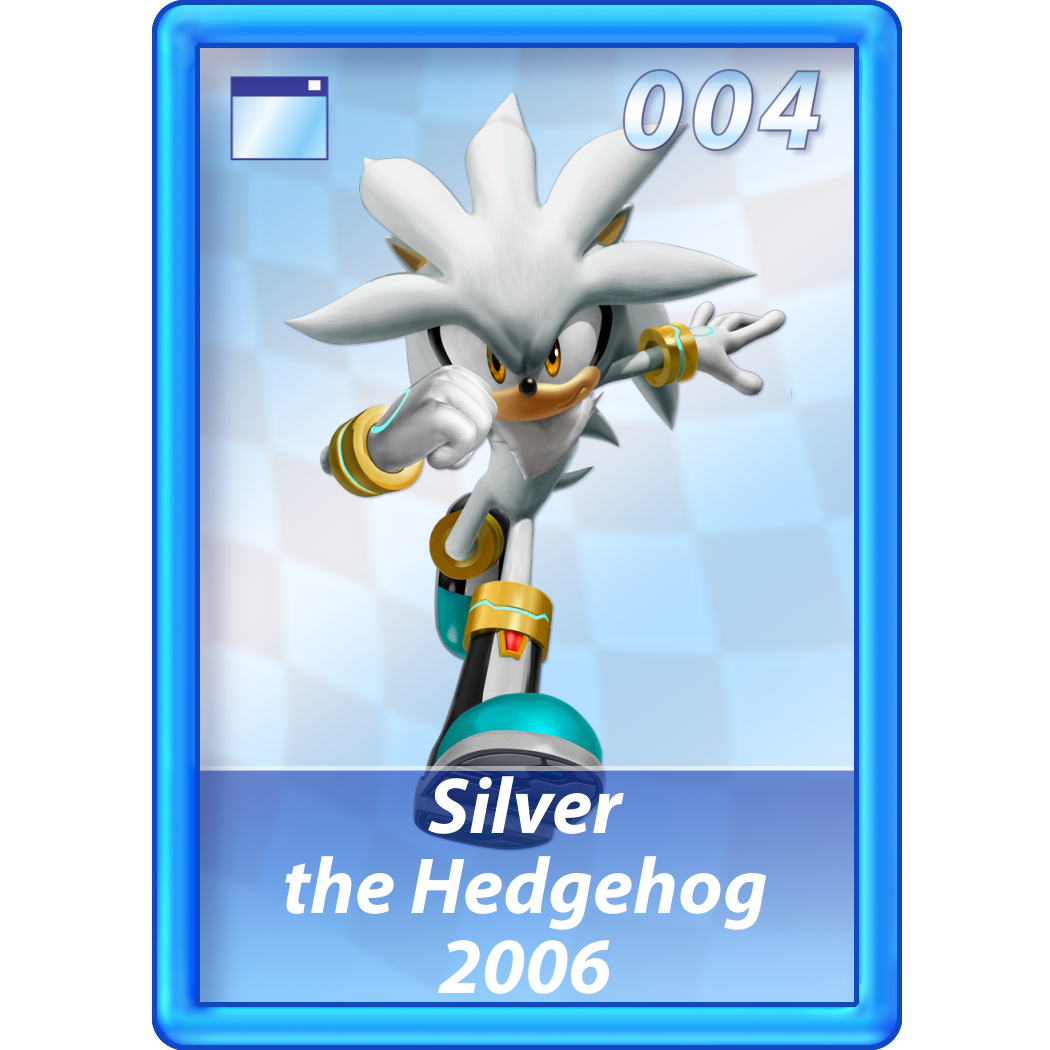
Released exclusively for the PlayStation Portable, Sonic Rivals takes the traditional side-scrolling Sonic formula and turns nearly every stage into a one-on-one race. Whether playing as Sonic, Knuckles, Shadow, or the newly introduced Silver, the goal is always the same: reach the finish line before your opponent, preferably after making their journey as miserable as possible.
It is a simple idea, and when everything falls into place, it works remarkably well.
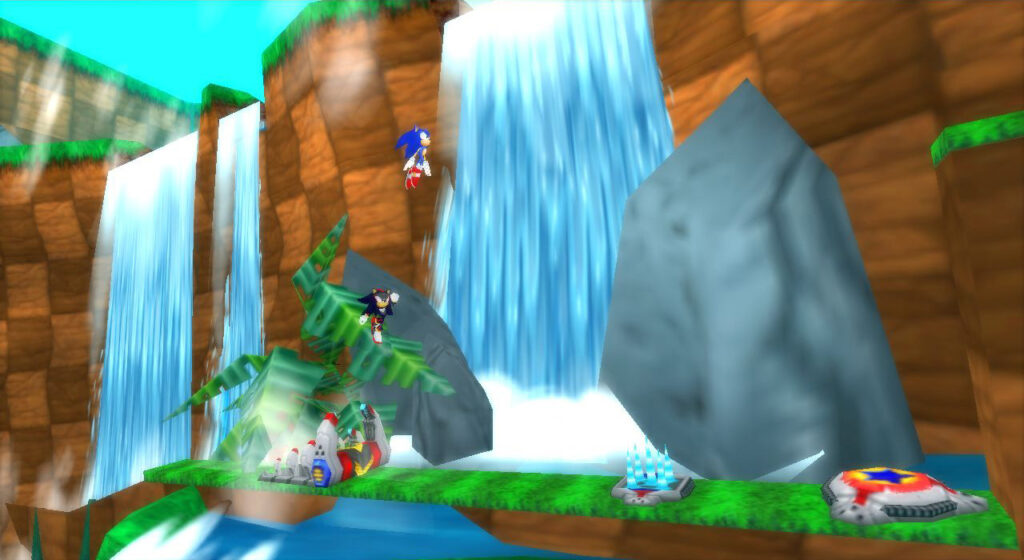
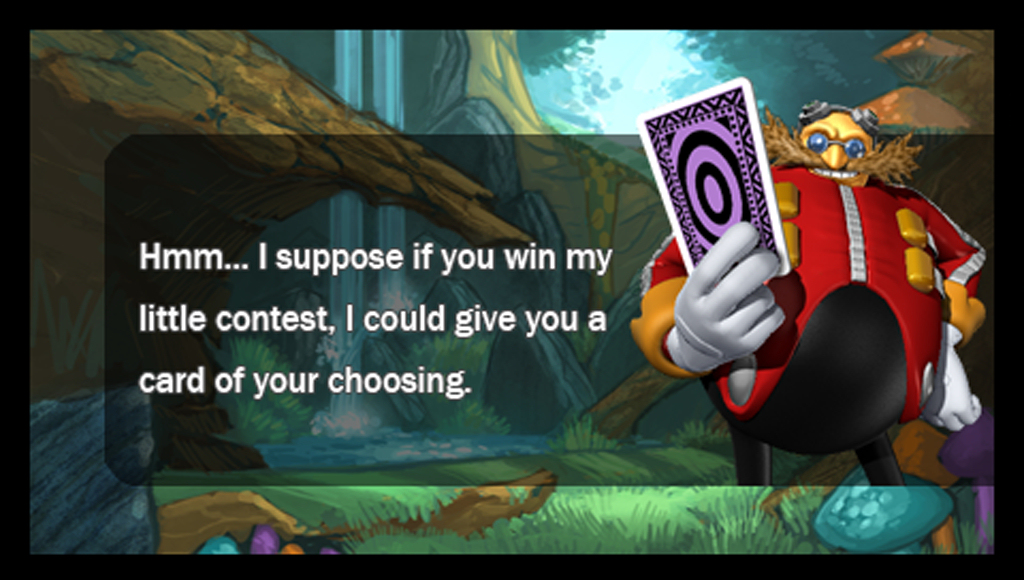
The story begins when the mysterious Onyx Island suddenly appears in the southern seas. Sonic and Tails investigate, correctly suspecting another one of Dr. Eggman’s schemes, only to discover that Eggman has obtained a camera capable of transforming people, objects, and even entire locations into collectible cards.
Amy has already been trapped inside one, and Tails soon follows.
As Eggman proudly declares:
“Soon, everything in this world will be nothing more than another entry in my lovely card collection! If you think you can take your precious things back, then just you try it! Ha ha ha ha ha!”
Knuckles arrives in search of the Master Emerald, which has suffered the same fate, while Shadow and Silver come to Onyx Island pursuing their own answers. The three hedgehogs and echidna quickly turn the rescue mission into a competition to see who can reach Eggman first.
Most of the narrative is explained through the game’s manual and brief exchanges between races. It is hardly the deepest Sonic storyline, but the card concept provides a suitably ridiculous excuse for the characters to race one another across the island.
Racing is the real heart of Sonic Rivals, and the game wastes little time getting players moving. Story Mode follows each character through a series of races and boss battles, while Challenge Mode adds specific objectives to individual stages. Cup Circuit groups tracks into best-of-three competitions, and local wireless play allows two nearby PSP owners to race, trade cards, or wager collectibles against one another.
There is no major difference in basic performance between the four playable characters. Sonic, Knuckles, Shadow, and Silver all run through the same courses using the same core controls, although each has a signature Power-Up based on their abilities.
Sonic uses Sonic Boom, Knuckles has Hammer Punch, Shadow can activate Chaos Control, and Silver uses Psychic Control. These abilities add a little personality to each racer, but they do not completely change how the game is played.
The racing itself is fast, tense, and often chaotic. Courses constantly push players forward through loops, corkscrews, rails, dash panels, springs, and environmental shortcuts. Context-sensitive Boost opportunities allow racers to launch into the air or gain a horizontal burst of speed by pressing the correct button at the right moment.
When a race flows properly, Sonic Rivals feels excellent. You can leap onto a higher route, hit a Boost perfectly, grind over your opponent, and steal the lead within seconds. The distance meter keeps both racers aware of how close the competition is, while the rival arrow shows where an off-screen opponent is positioned.
The PSP’s widescreen display suits the side-scrolling presentation, but it does not always provide enough visibility to react comfortably. Obstacles, spikes, and bottomless pits can appear before the player has enough time to understand what is coming. Later stages become increasingly dependent on memorisation, forcing repeated attempts before the safest route becomes clear.
That trial-and-error design is not unusual for Sonic, but it clashes with a game where one mistake can decide an entire race.
Power-Ups make the competition even more unpredictable. Fire, ice, mines, wind attacks, illusions, and other items can be used offensively when trailing or defensively when leading. Players can also directly attack their rival by shoving them from behind or leapfrogging onto their head.
Interfering with an opponent is satisfying, especially when playing against another person. Against the computer, however, some attacks can feel difficult or impossible to avoid. A strong performance can disappear in the final seconds because the rival lands one attack near the finish line, turning several minutes of careful play into a loss that feels more cheap than competitive.
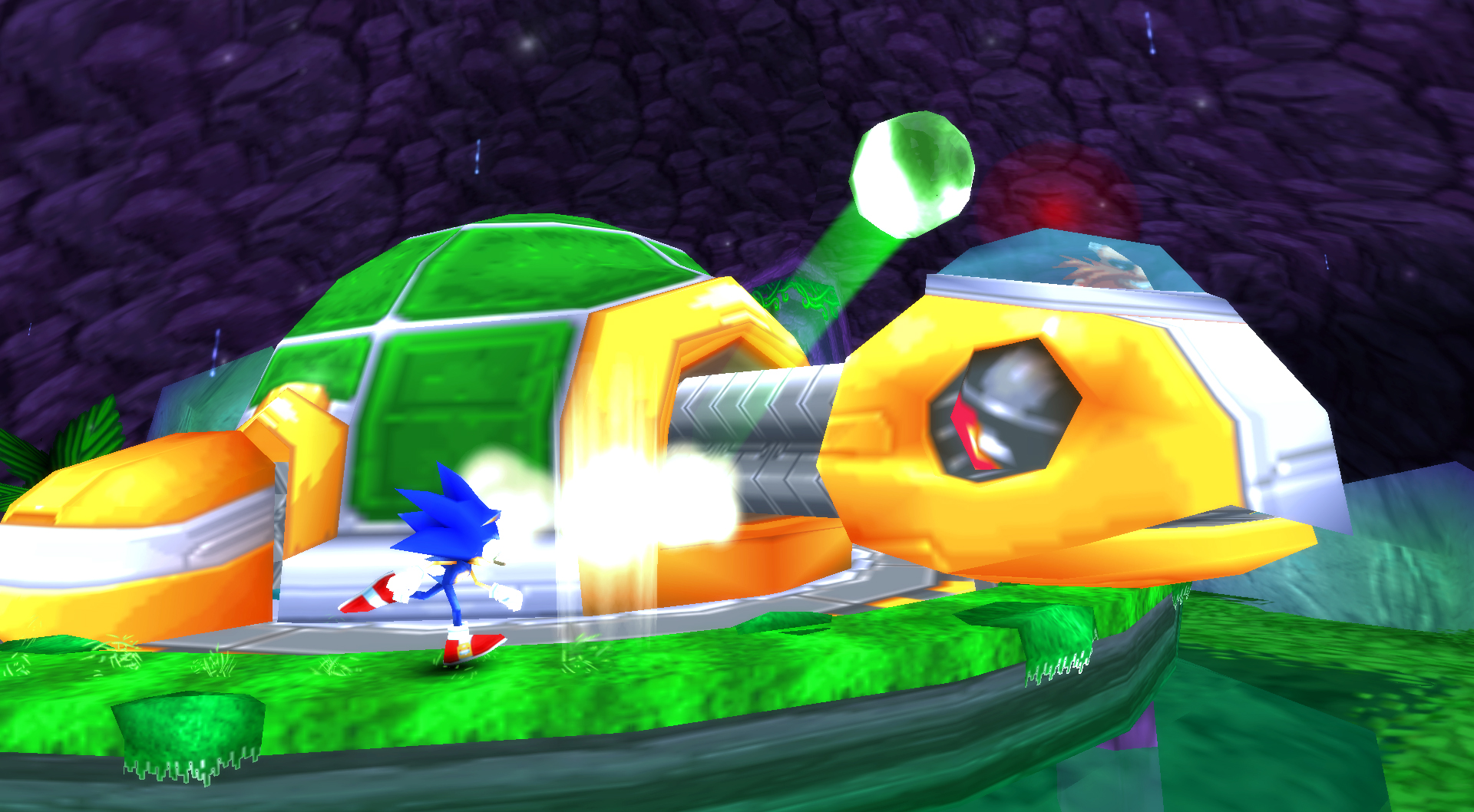
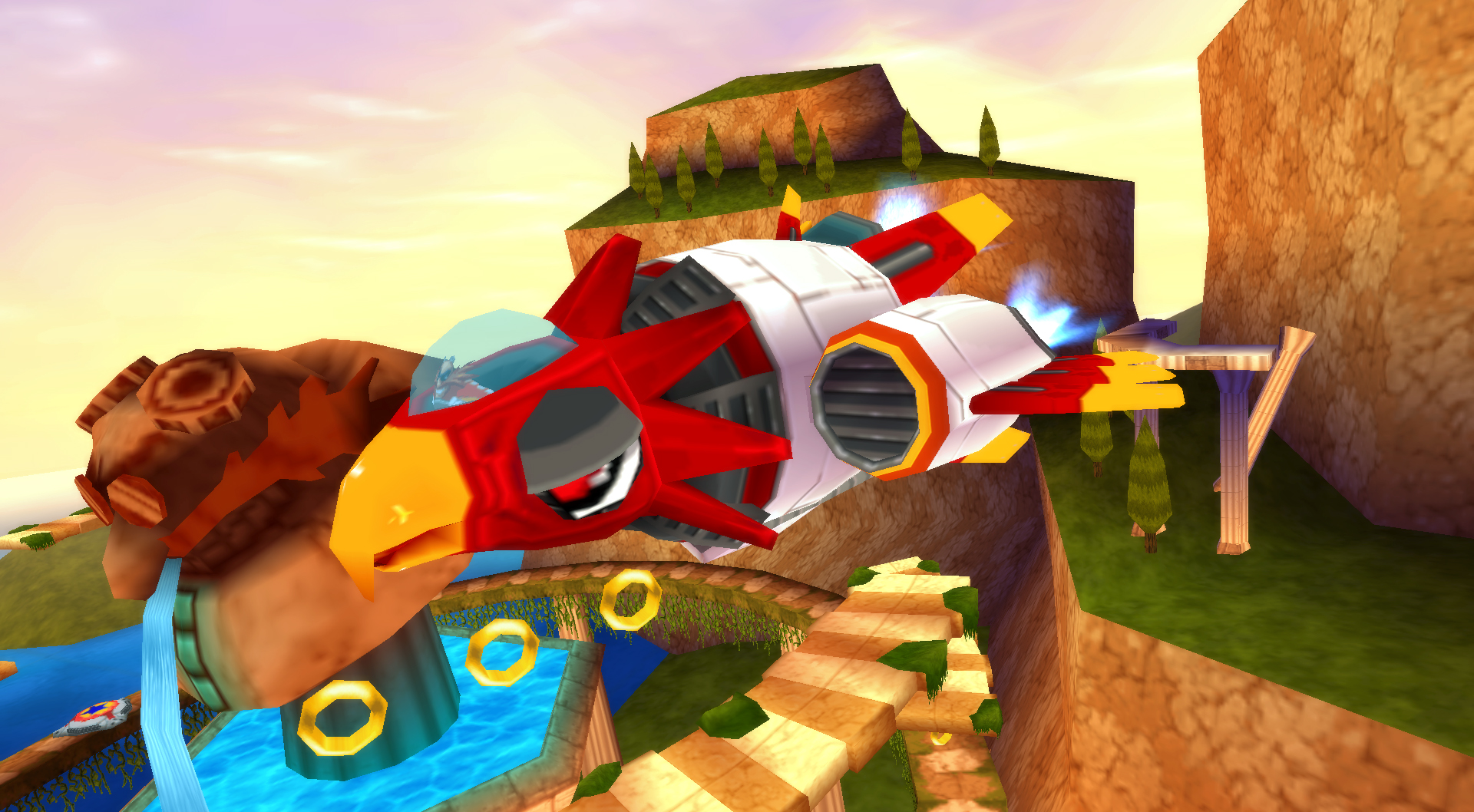
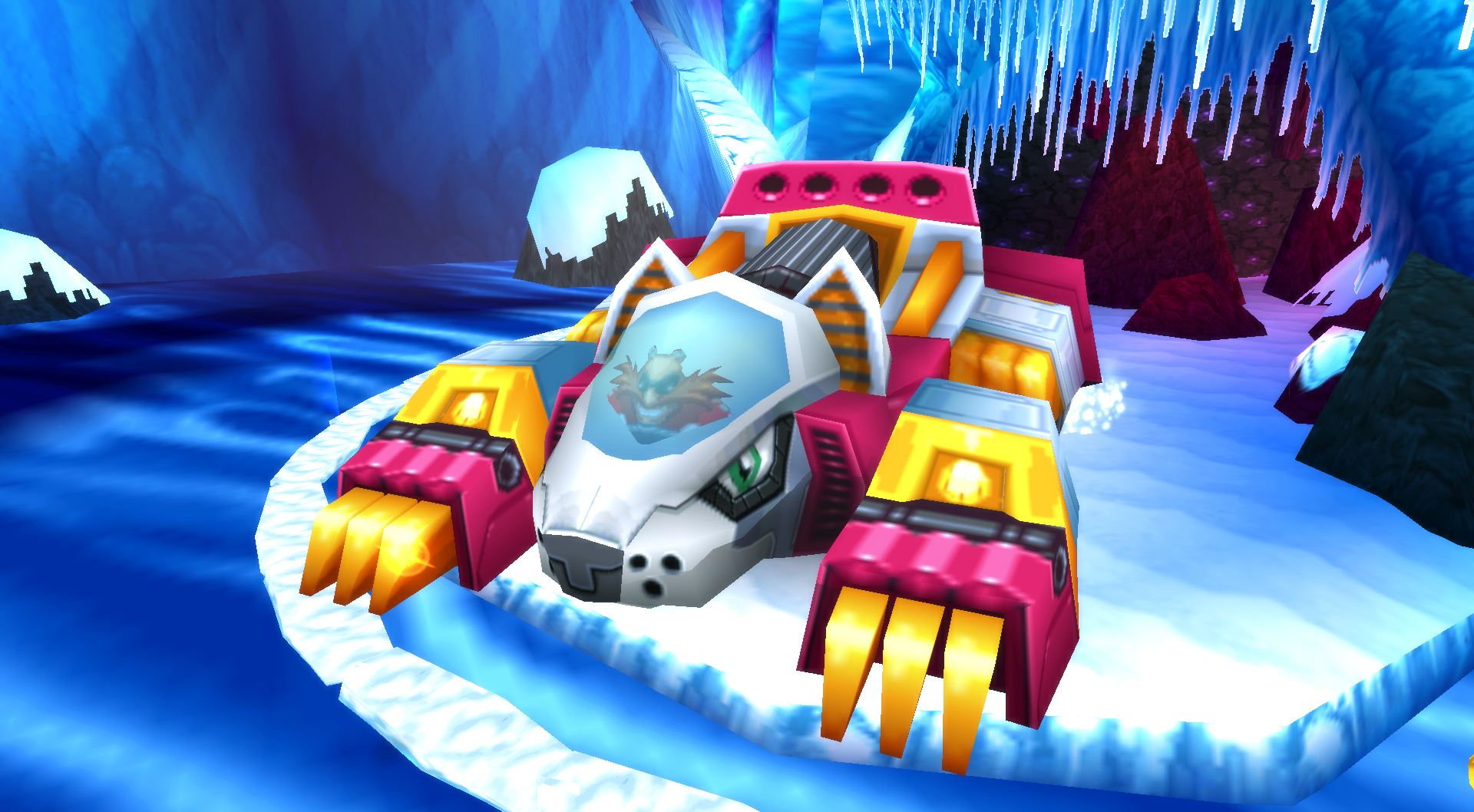
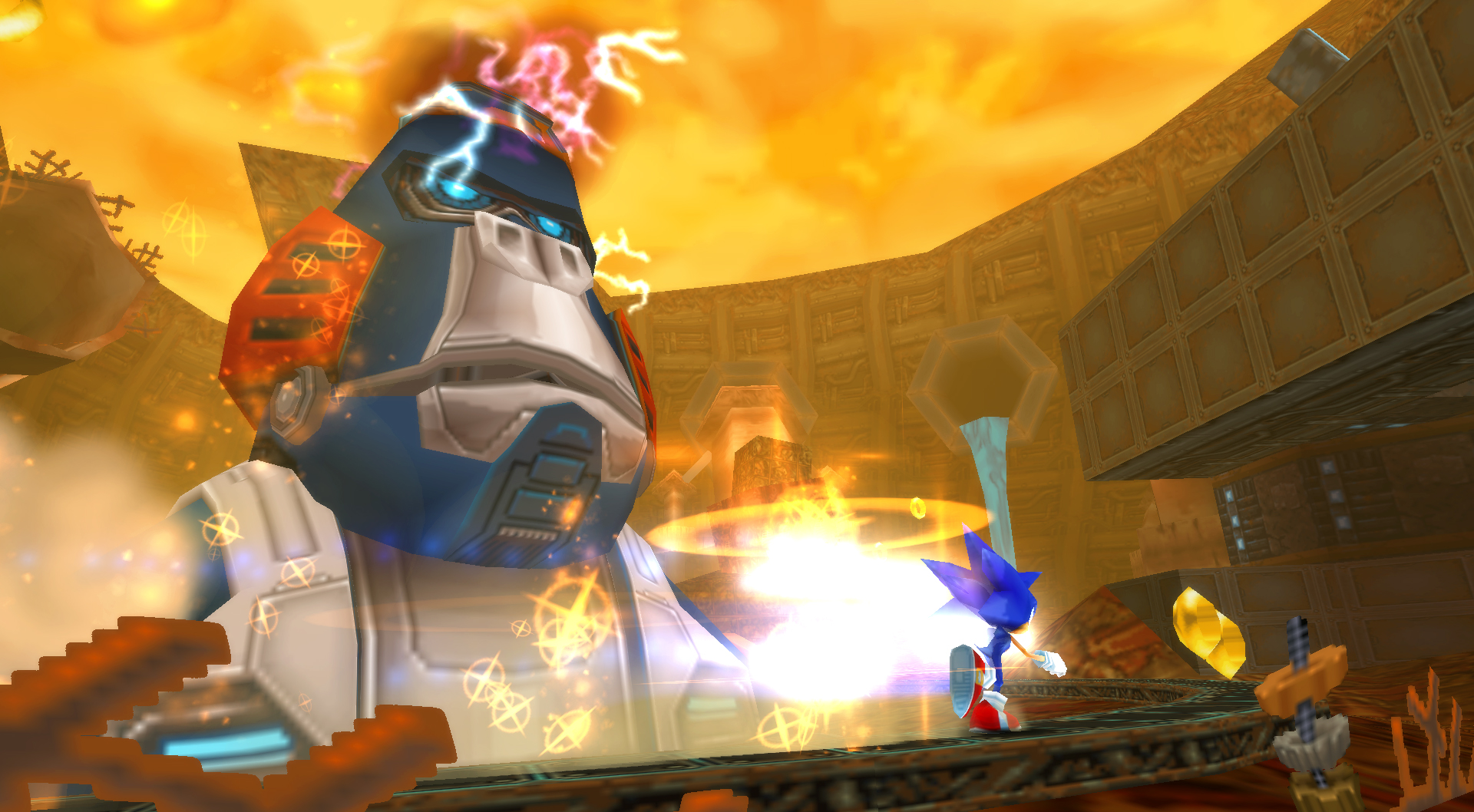
Boss battles use the same rival structure. Both characters fight one of Eggman’s machines simultaneously, with victory going to whoever lands the required number of hits first. It is a clever way to keep the competitive premise intact, although the fights can become messy when both racers are trying to reach the same weak point.
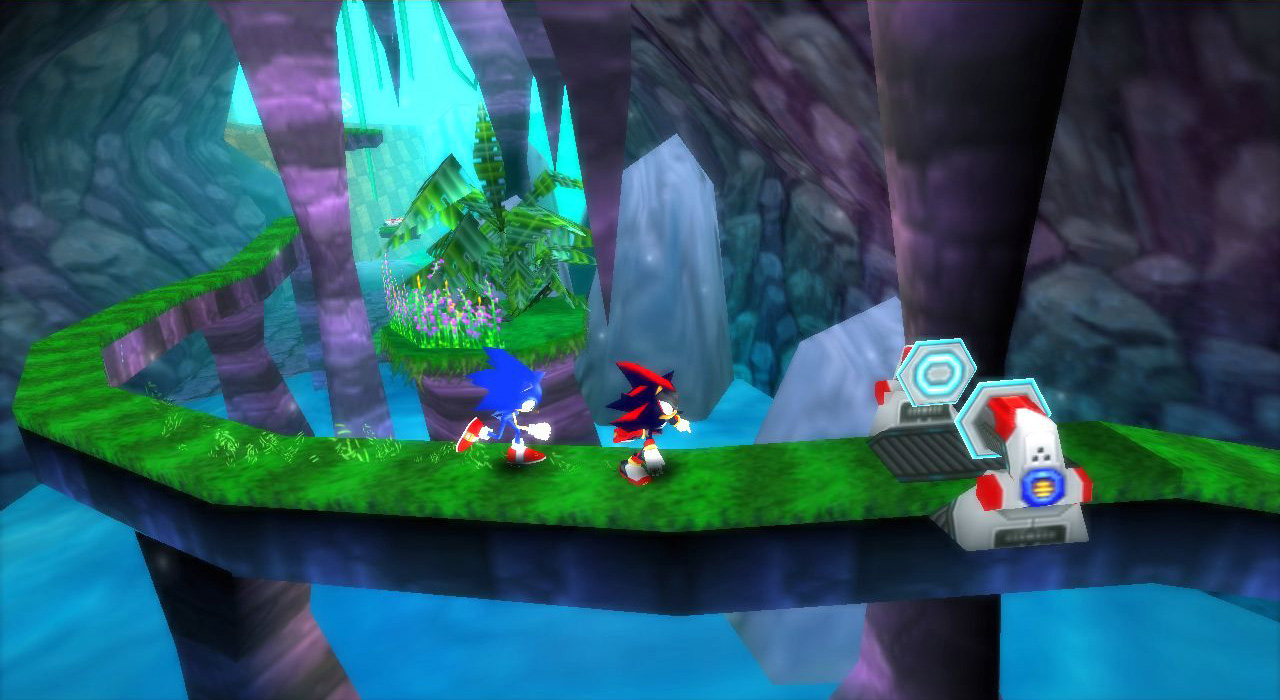
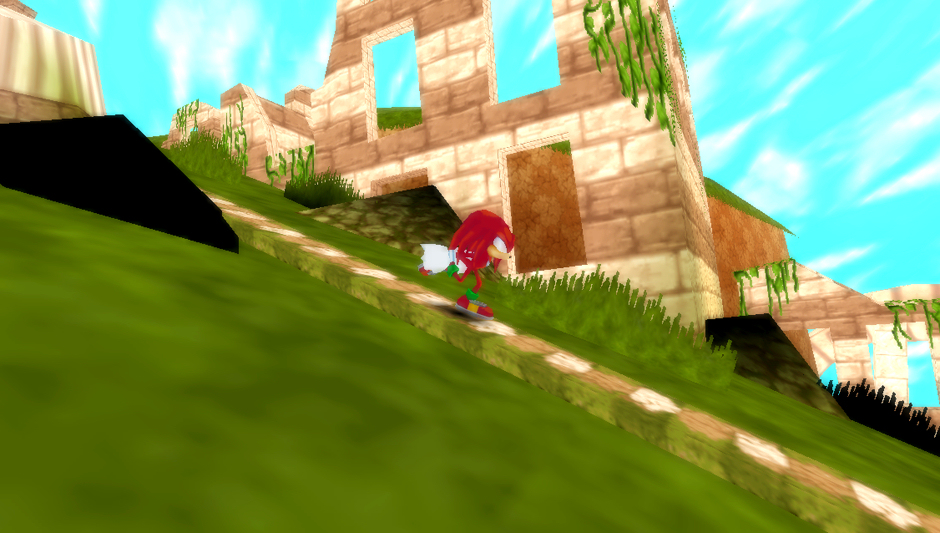
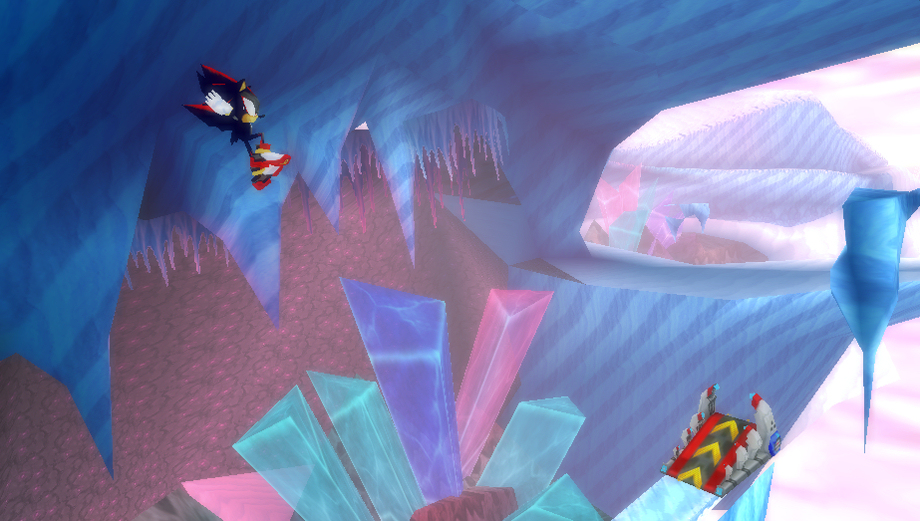
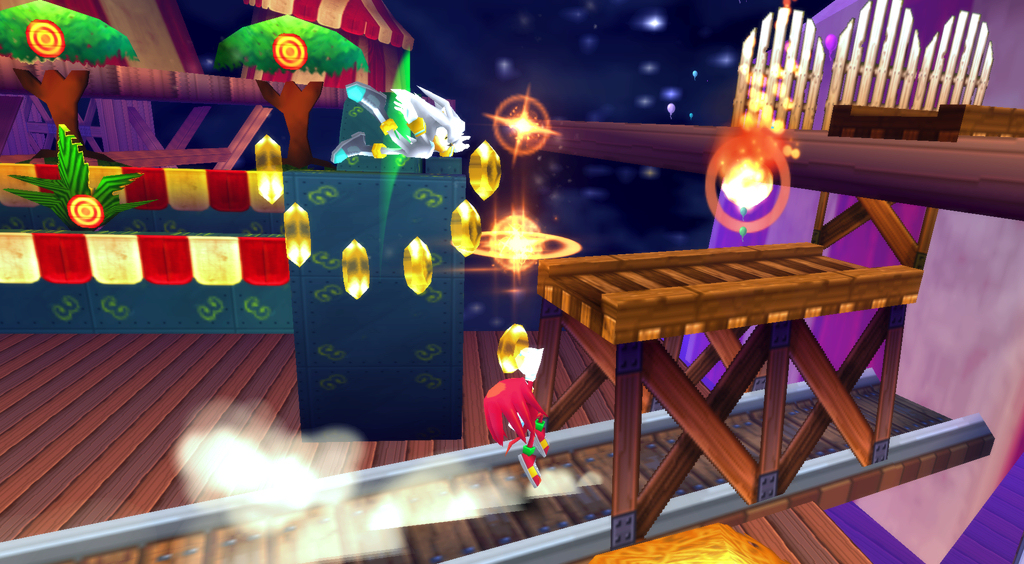
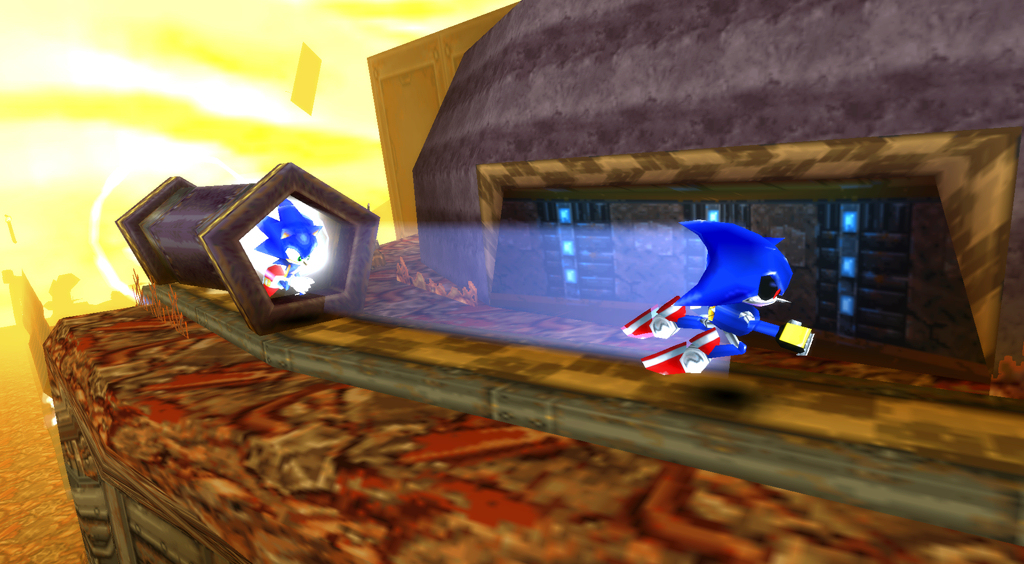
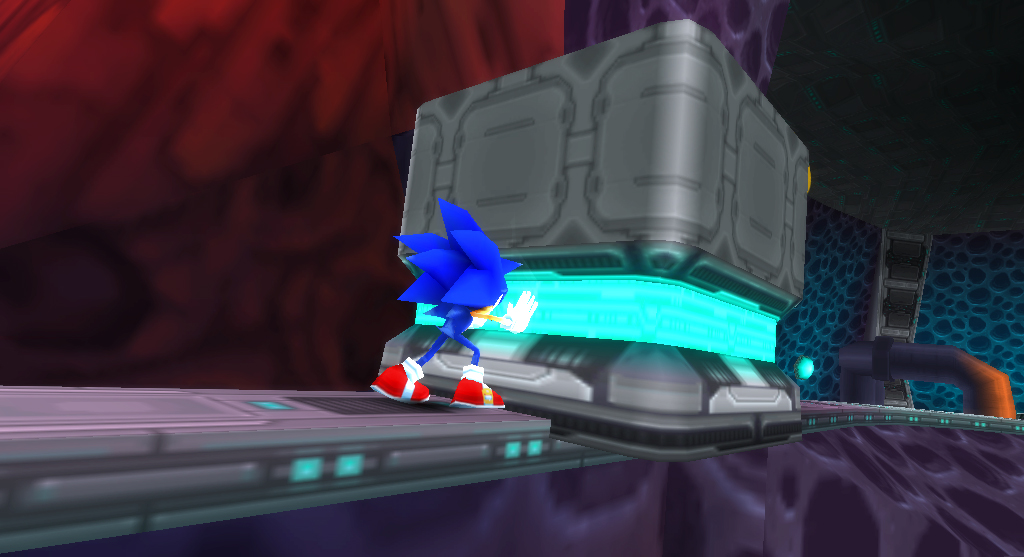
The six main Zones offer a good range of themes. Forest Falls opens with grassy platforms and waterfalls, while Colosseum Highway sends racers through ancient ruins filled with corkscrews and traps. Sky Park brings rollercoasters and amusement park hazards, Crystal Mountain adds slippery ice and bobsled sections, Death Yard is packed with spikes and pits, and Meteor Base closes the adventure inside Eggman’s lava-filled facility.
Unfortunately, every character travels through the same set of stages.
Completing the story with Sonic means you have already seen nearly everything awaiting Knuckles, Shadow, and Silver. The character-specific dialogue changes, but the courses and general structure remain the same. Challenge Mode and Cup Circuit reuse those tracks again, making the game feel much smaller than it initially appears.
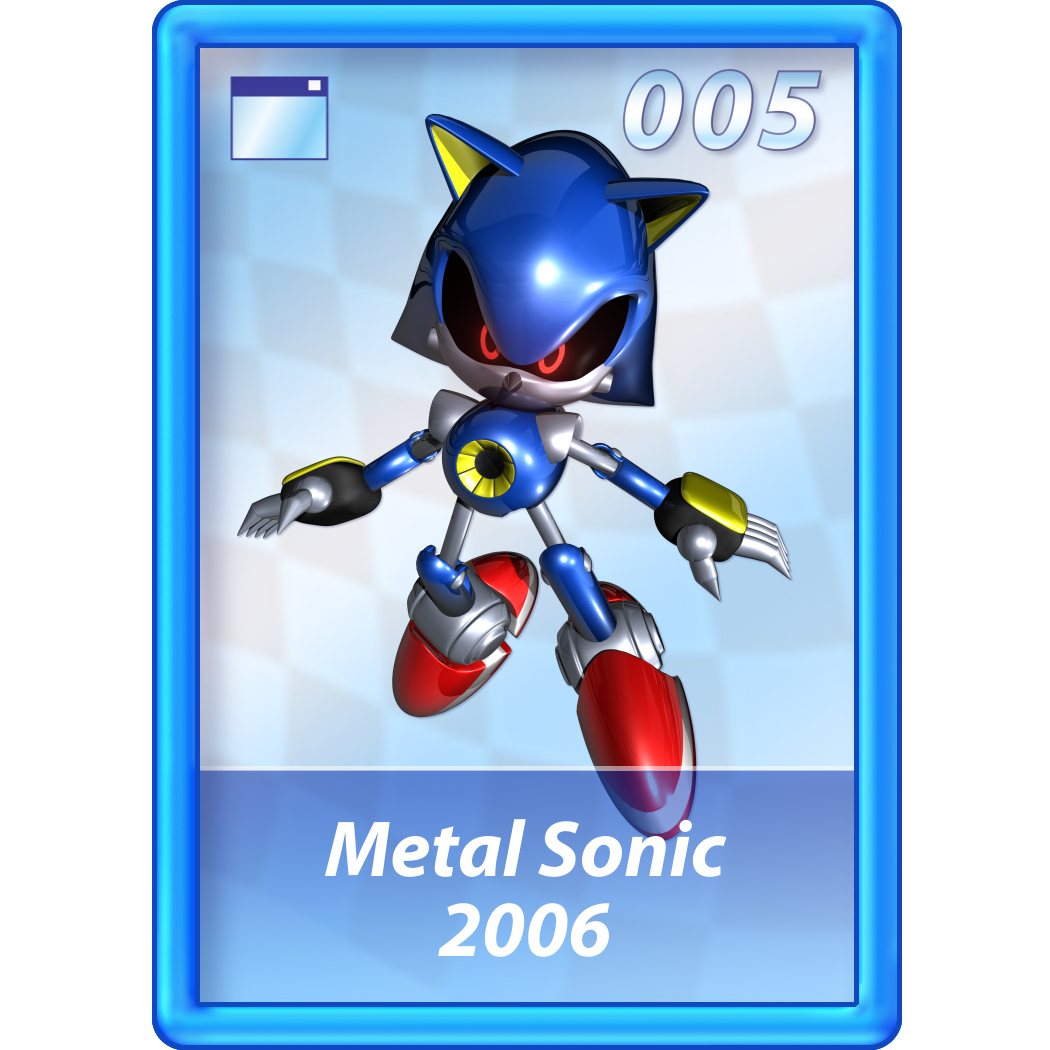
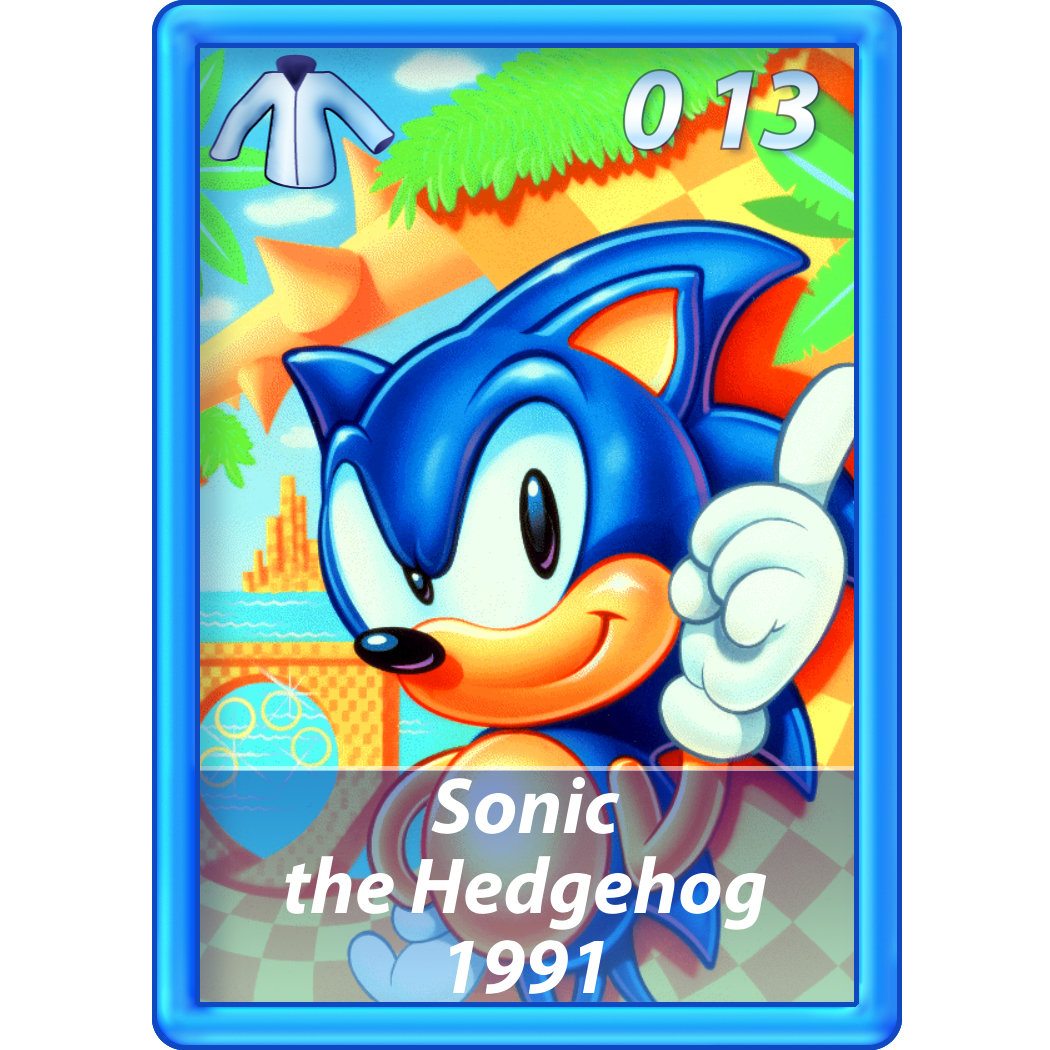
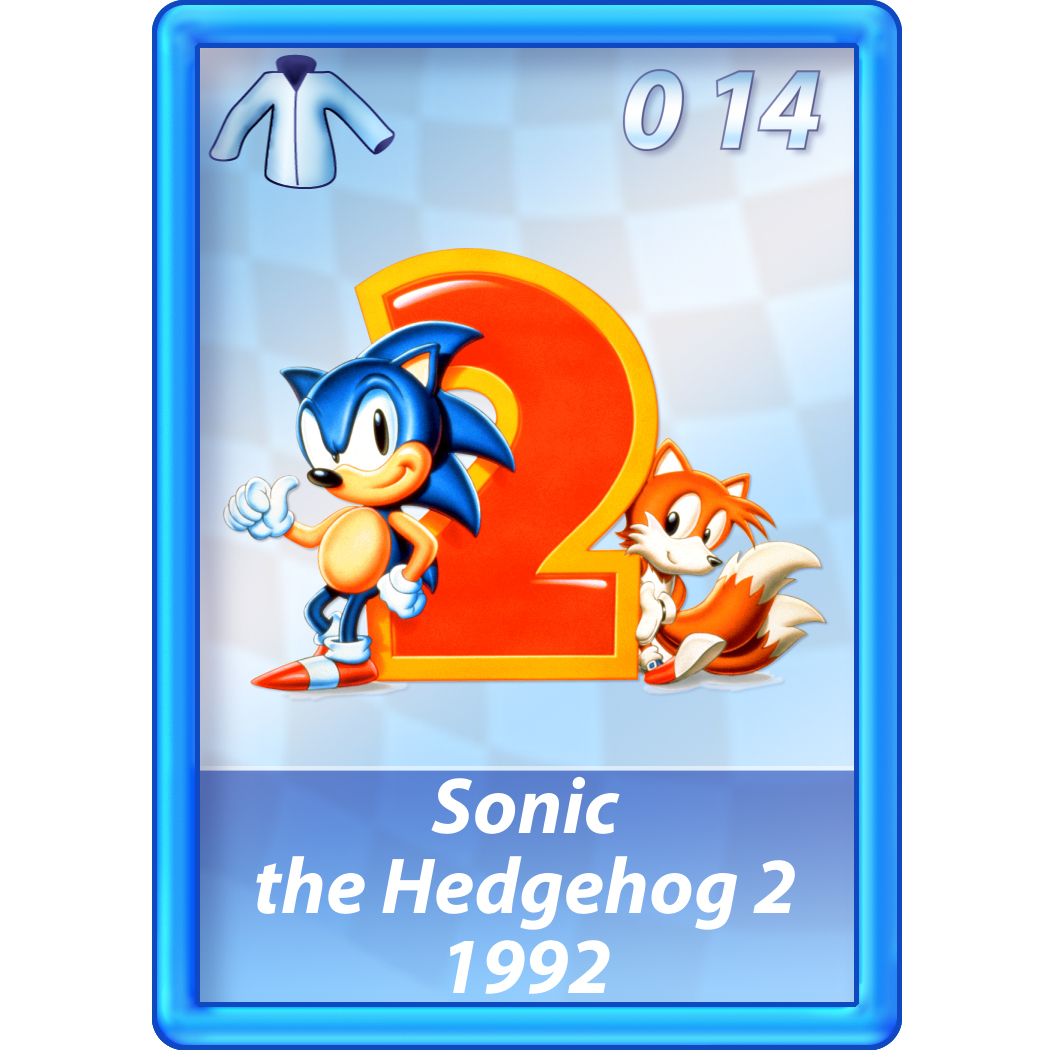
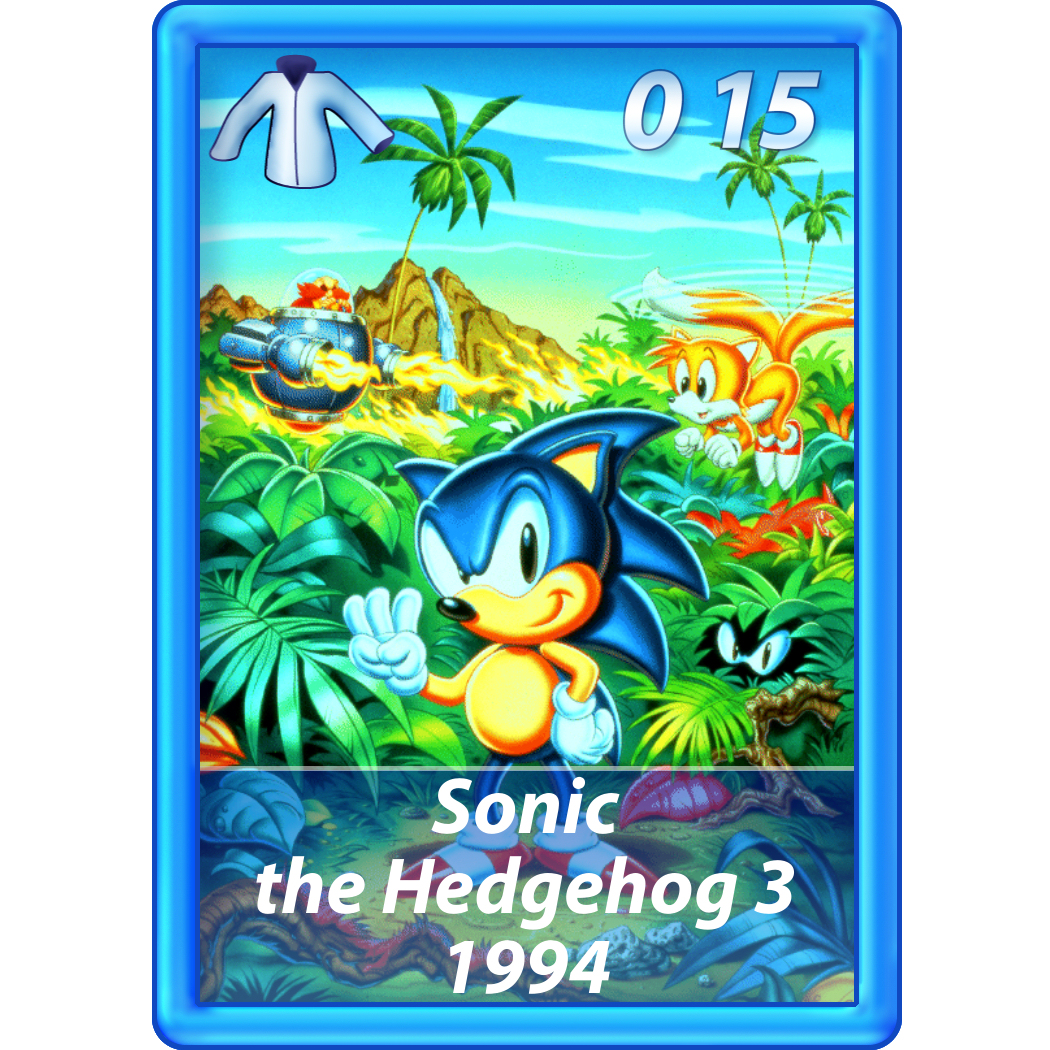
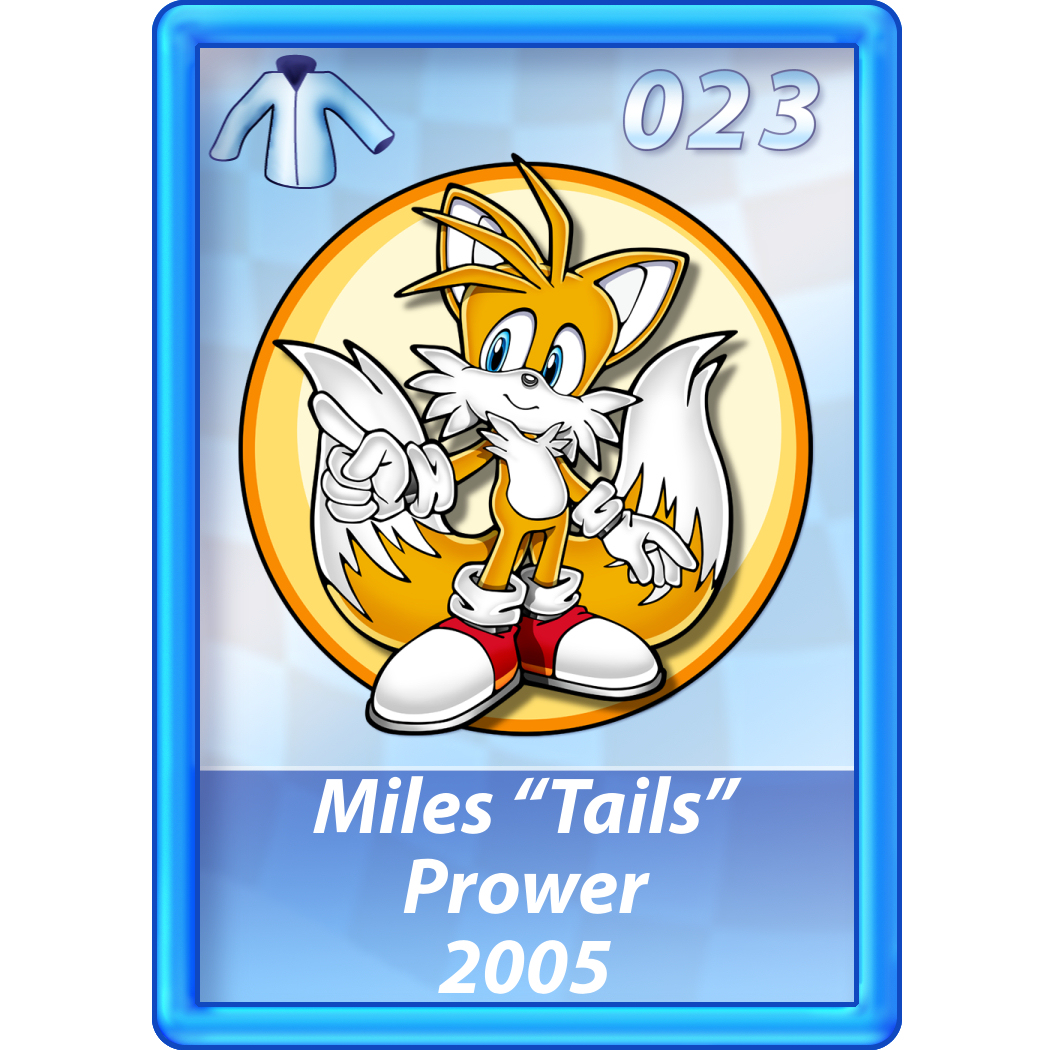
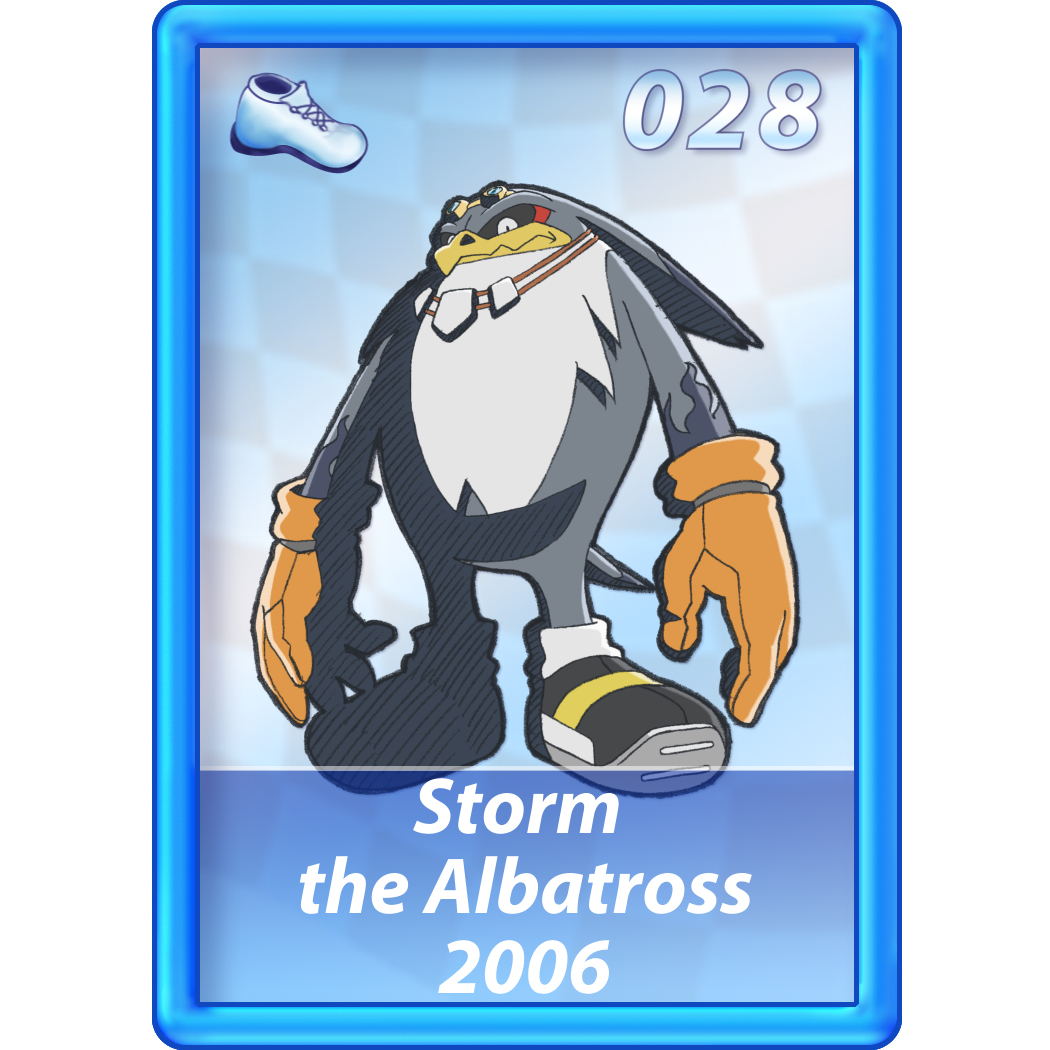
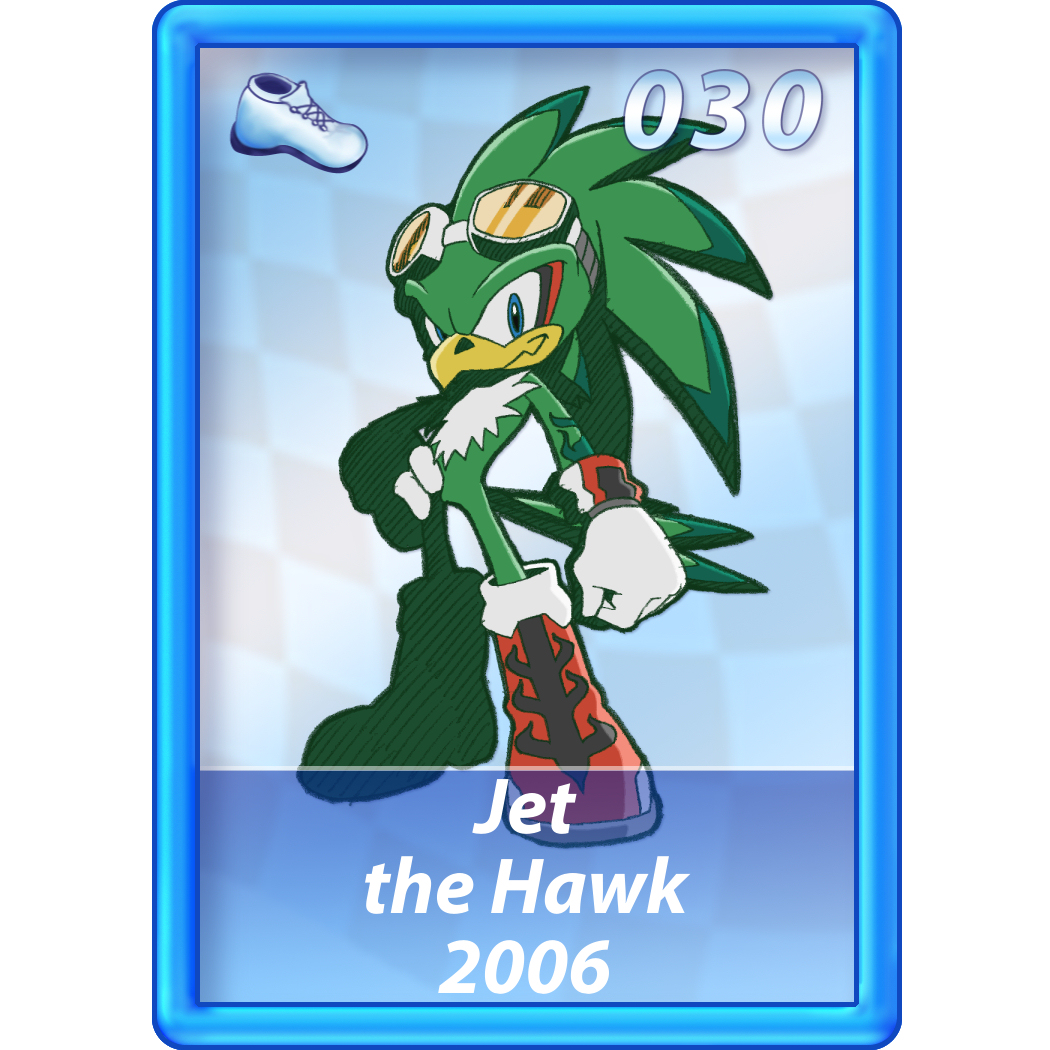
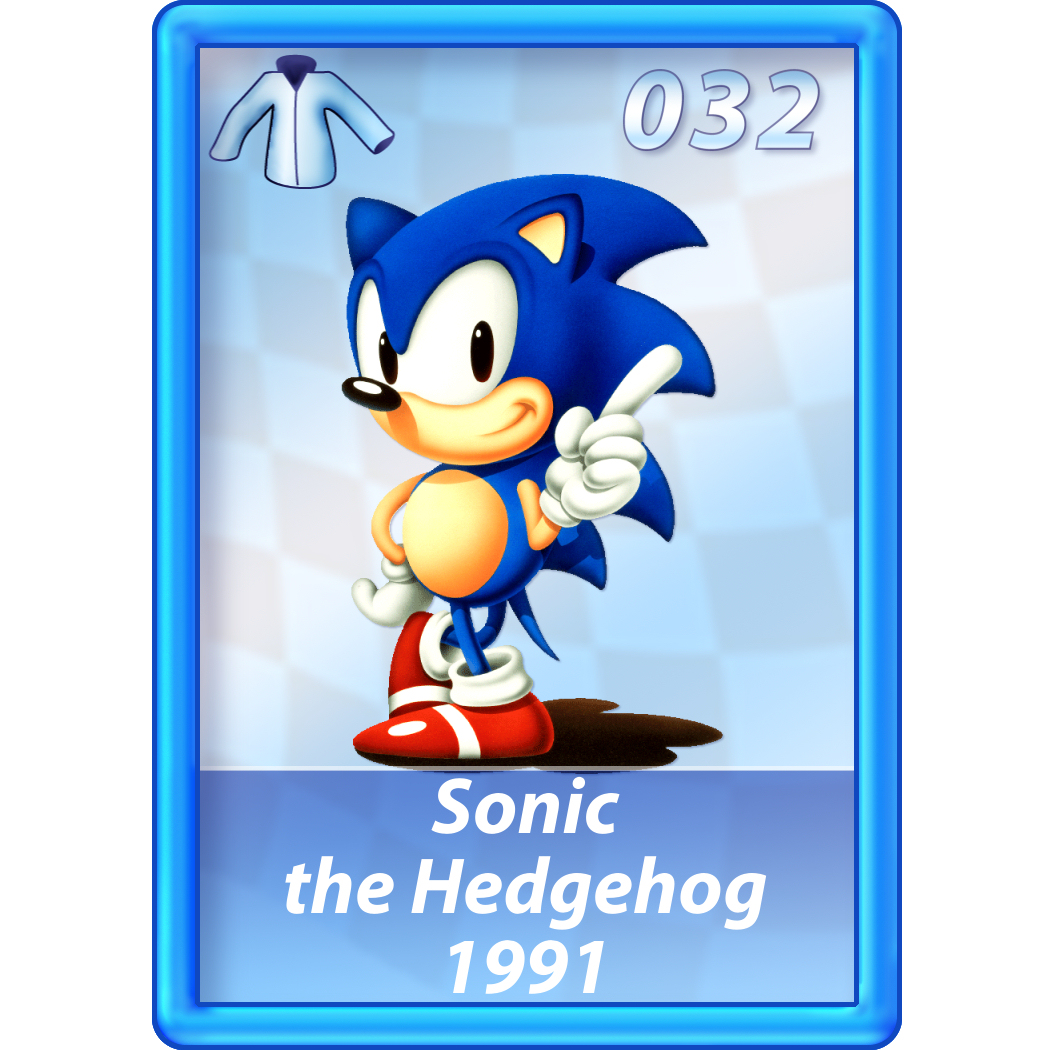
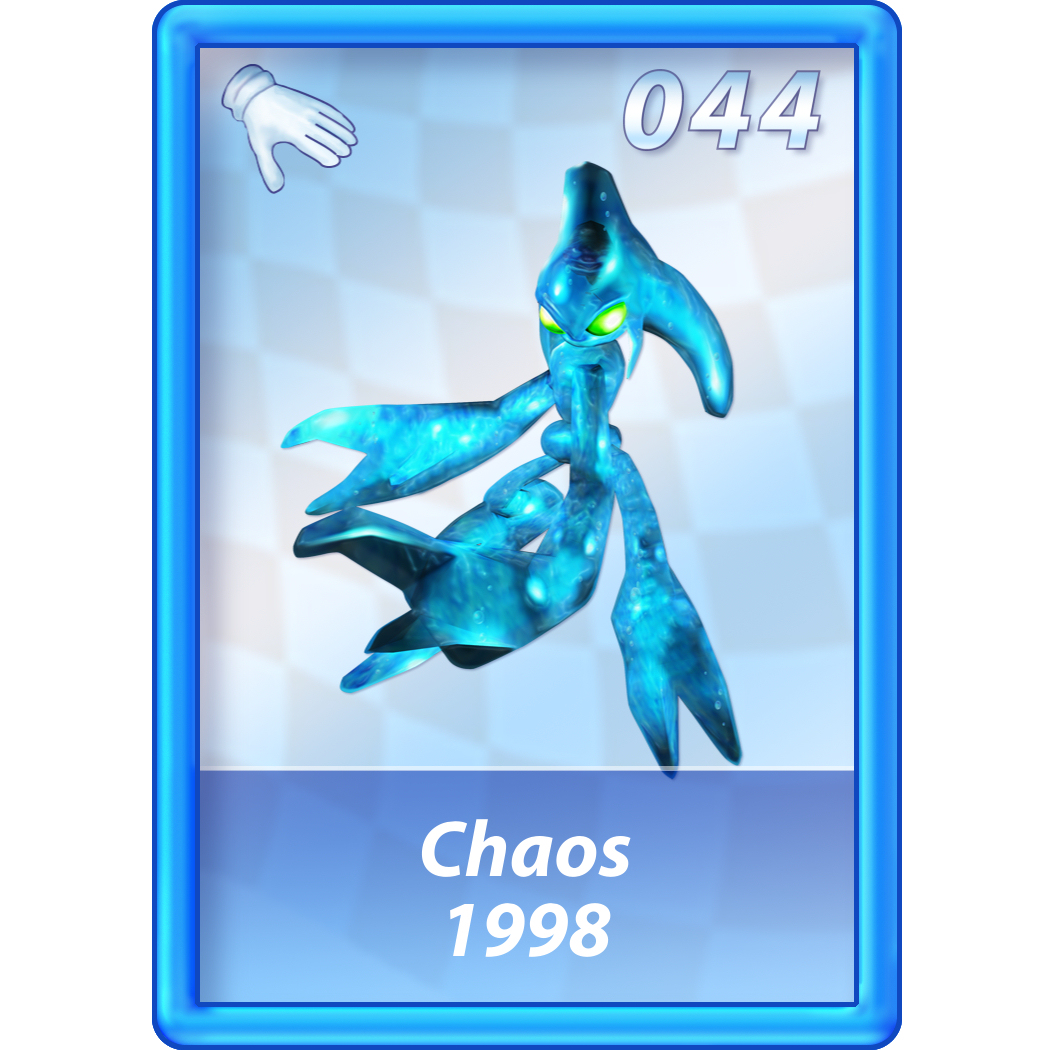
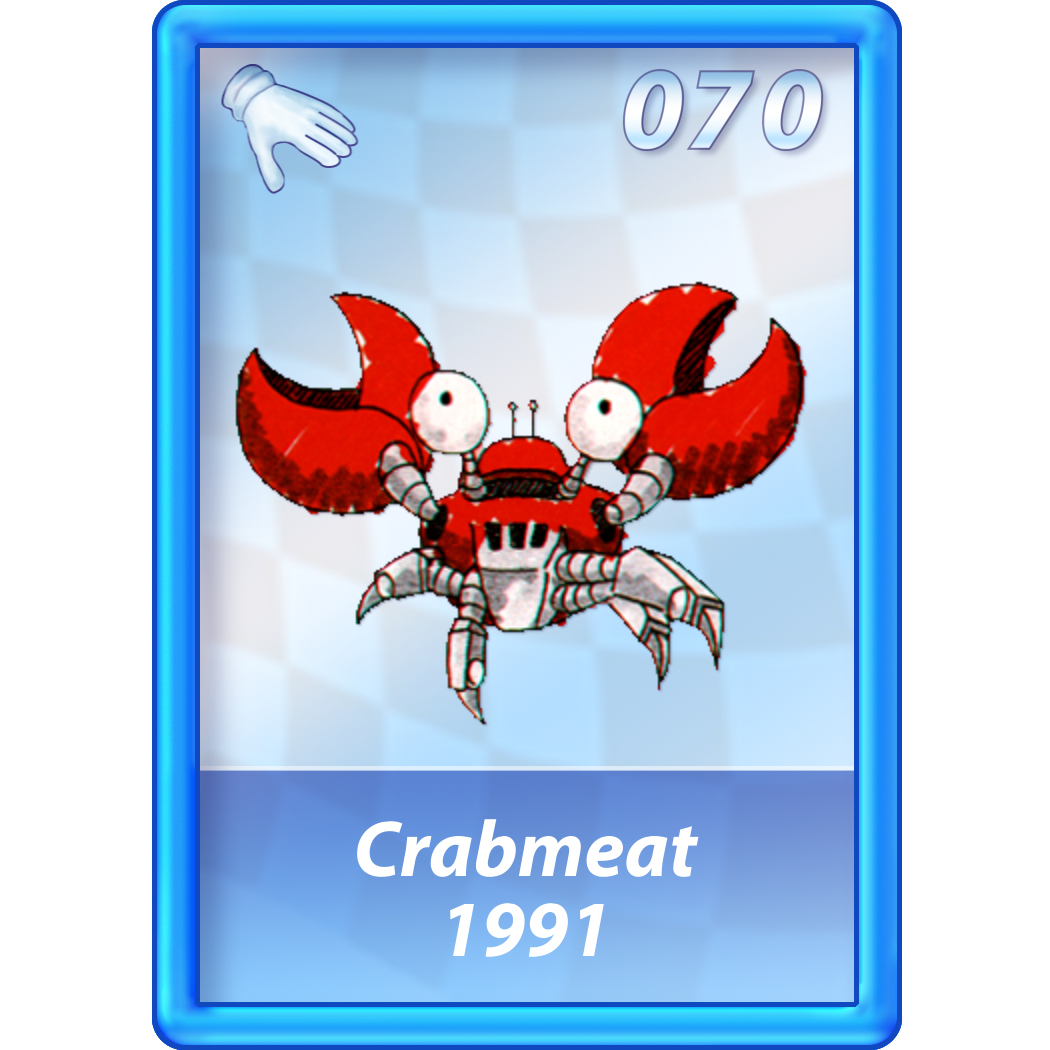
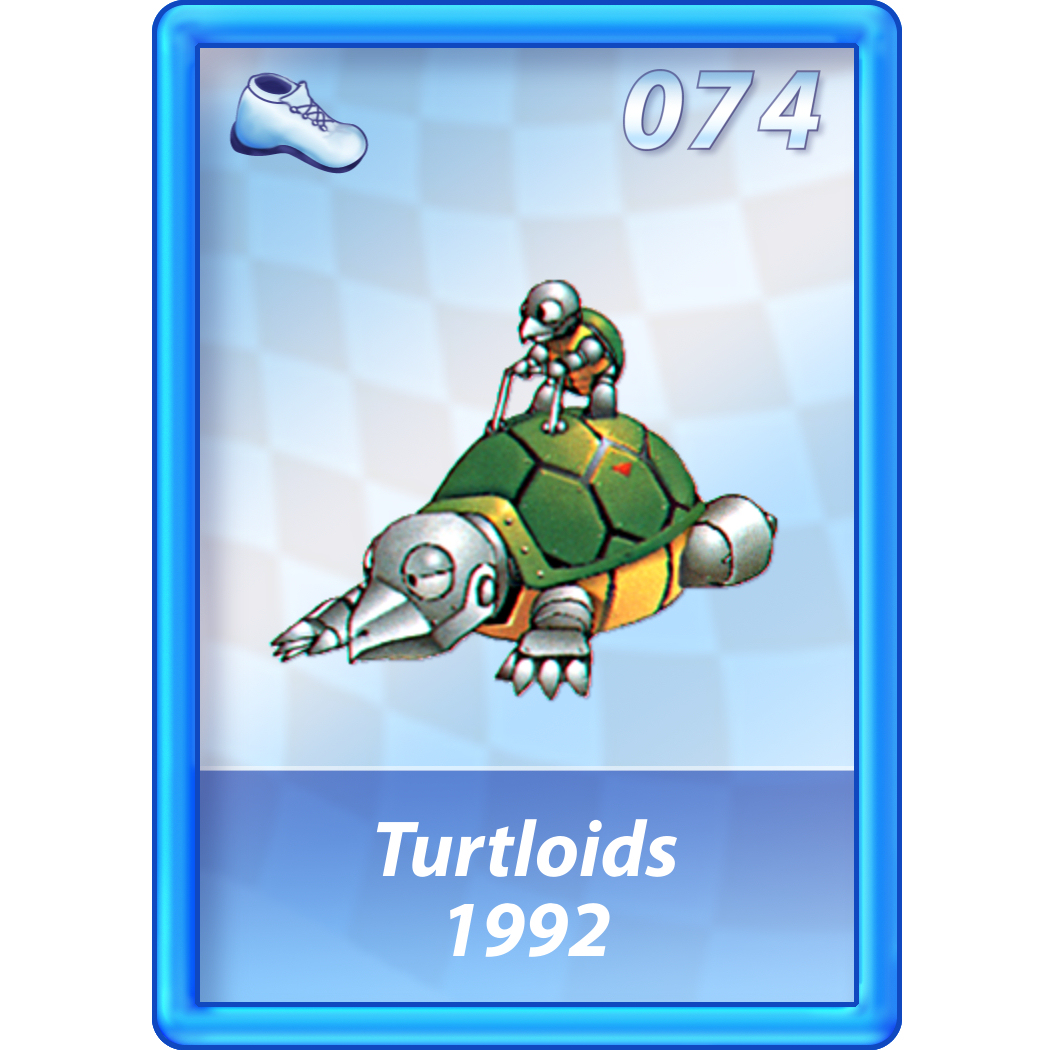
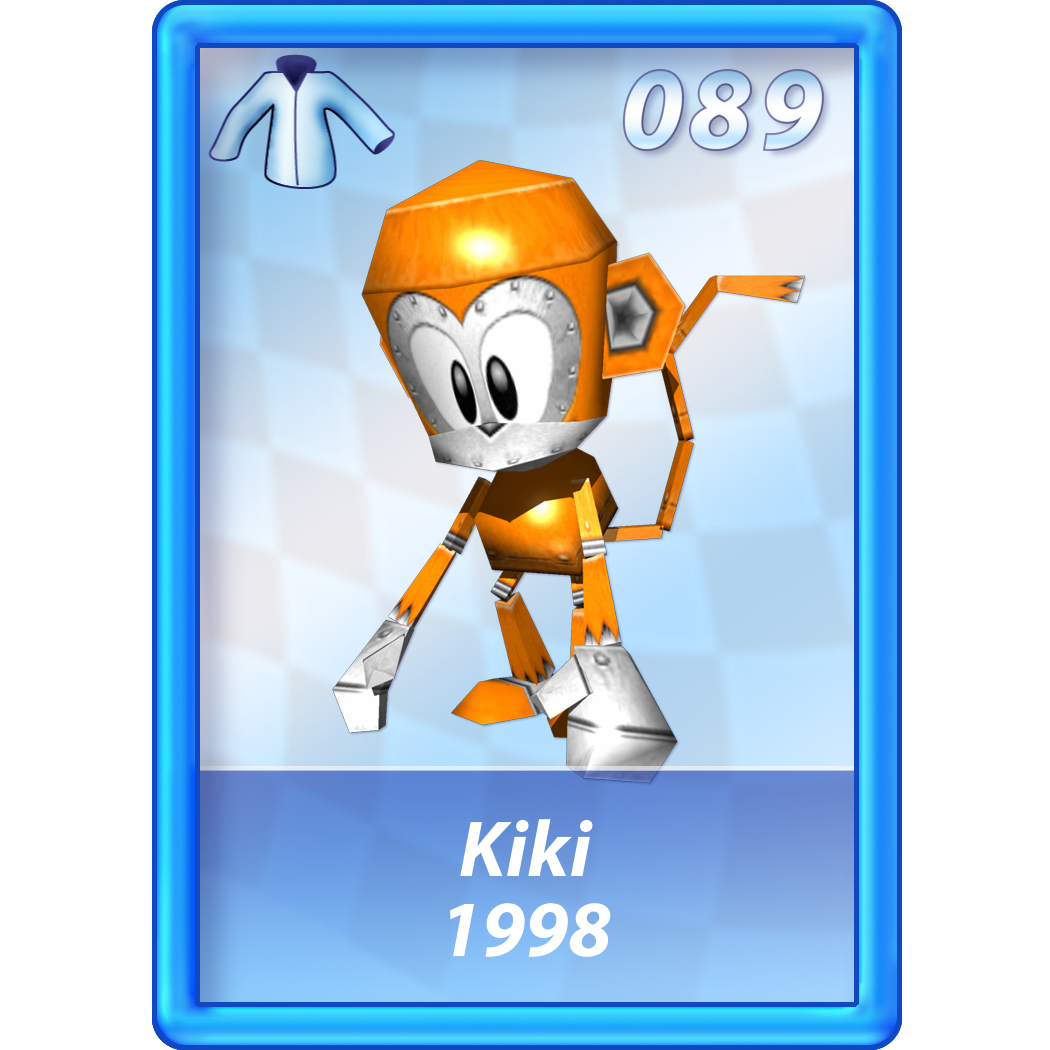
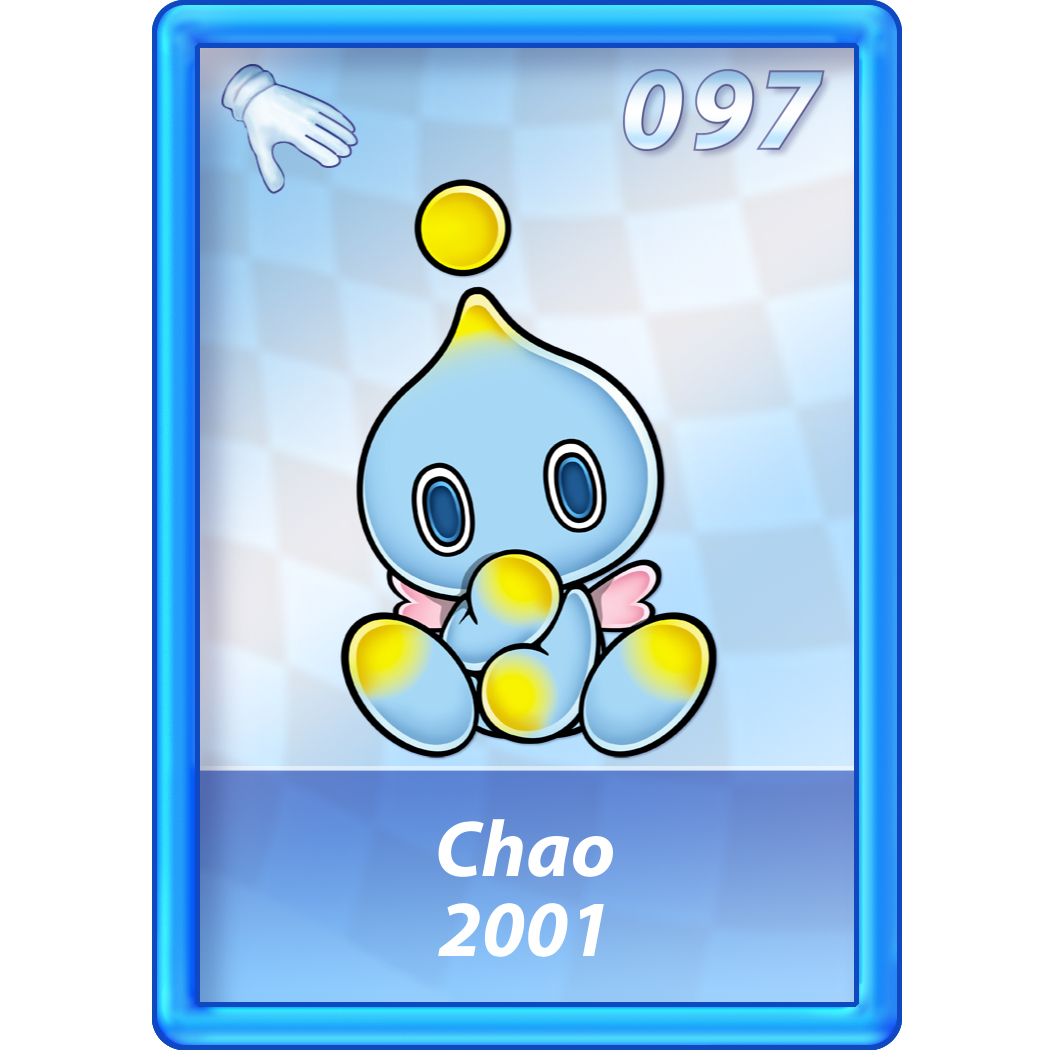
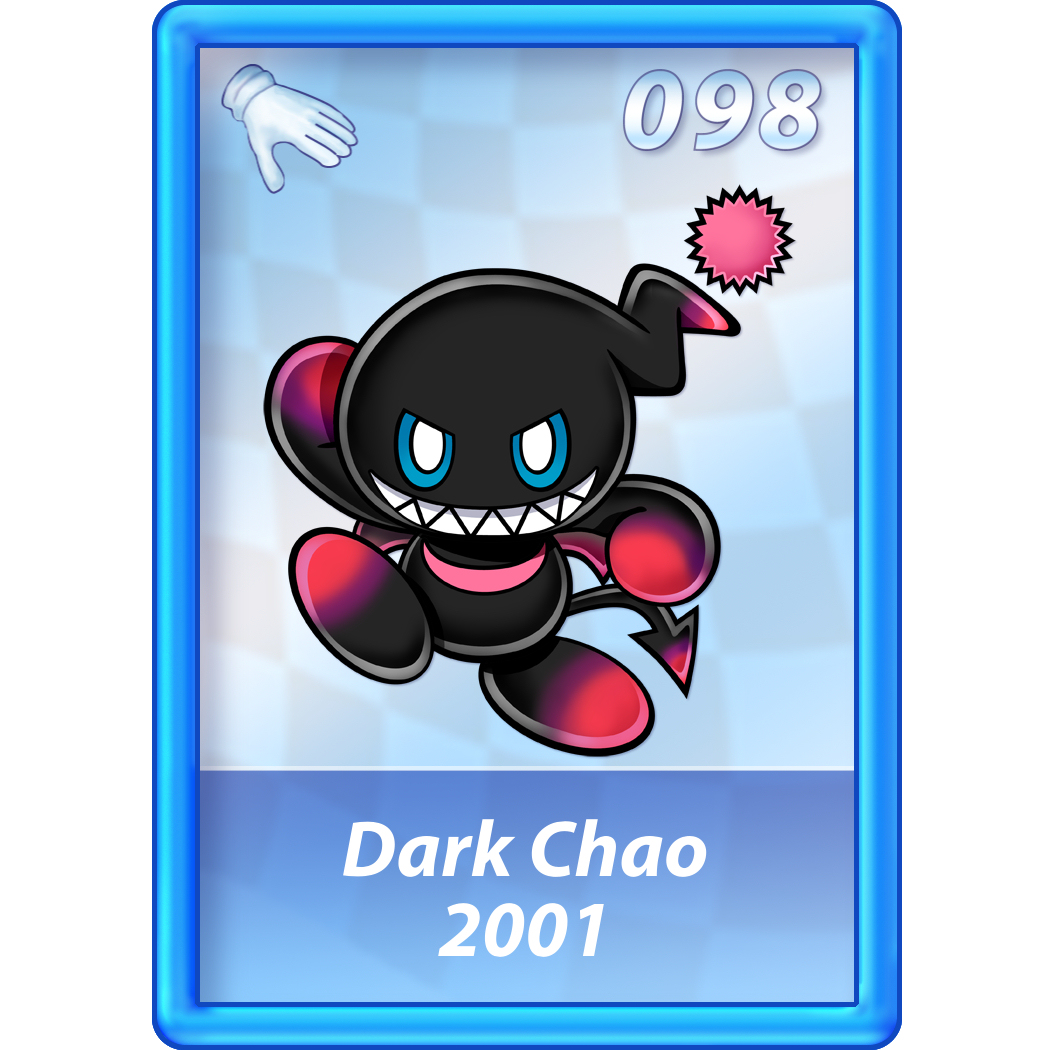
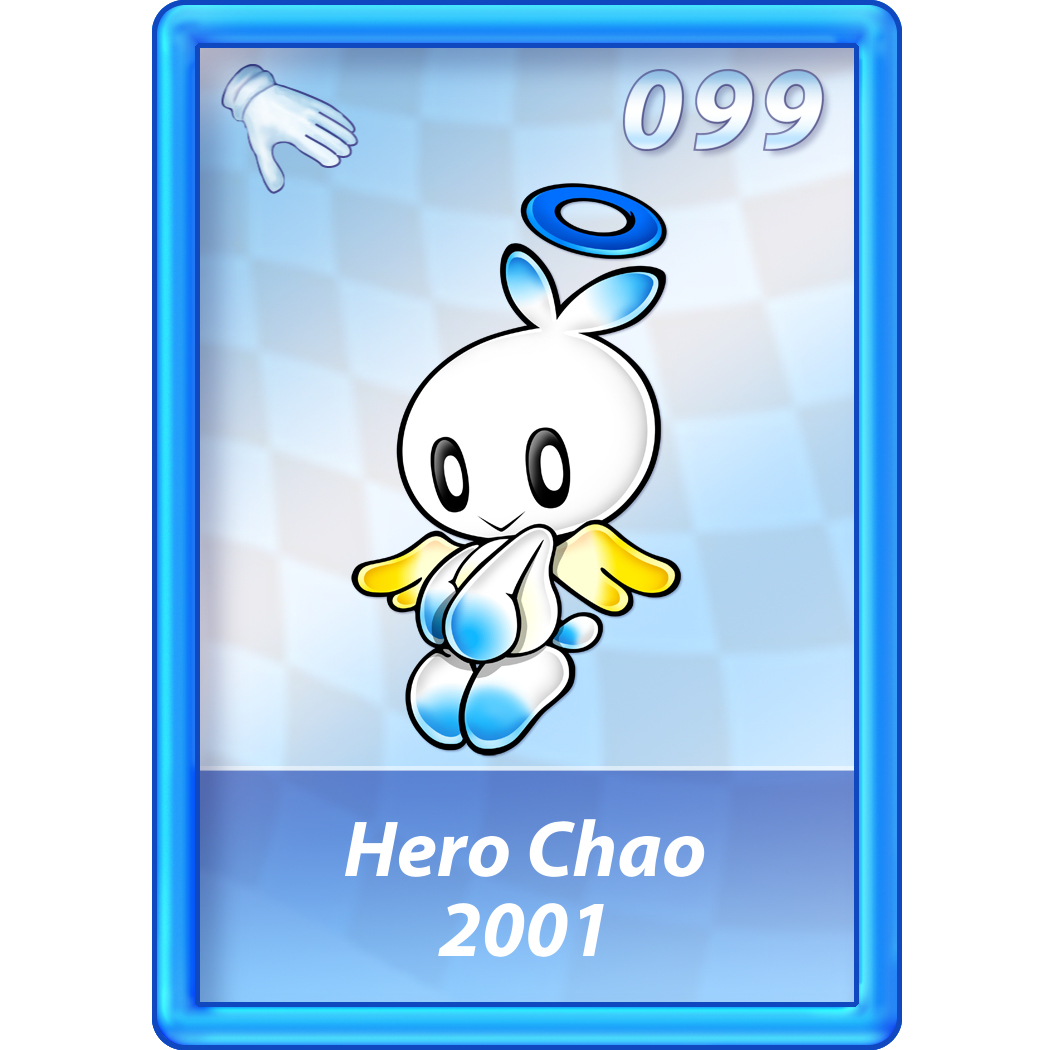
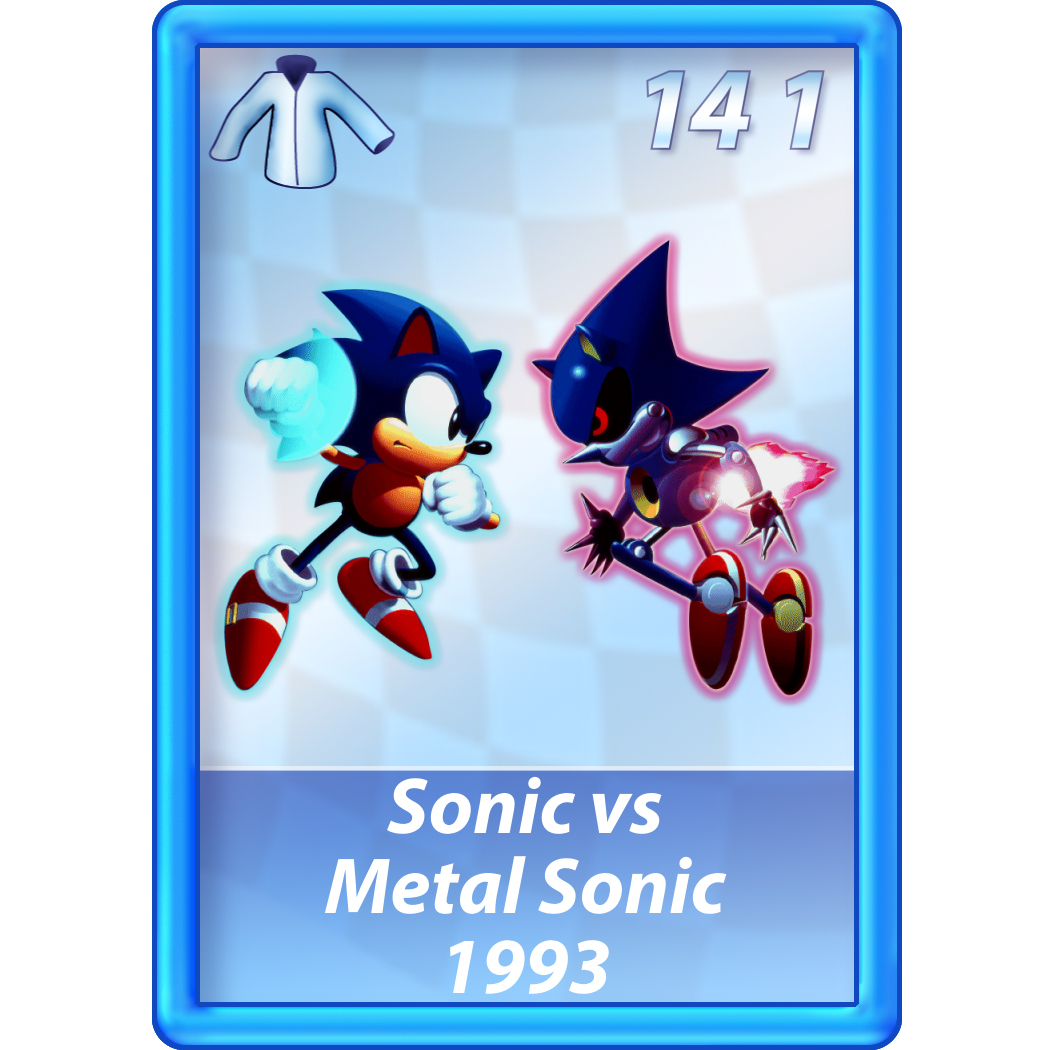
The Card Collection provides the main incentive to keep playing. Winning races, earning high scores, completing challenges, and competing with friends unlock cards featuring characters and other pieces of Sonic history. Completing certain sets rewards players with alternate outfits, including some delightfully strange clothing choices for the cast.
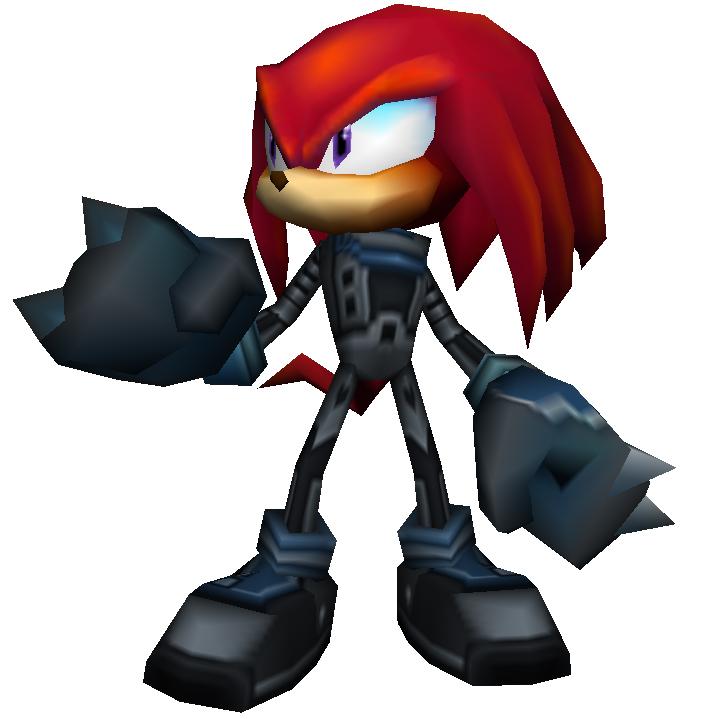
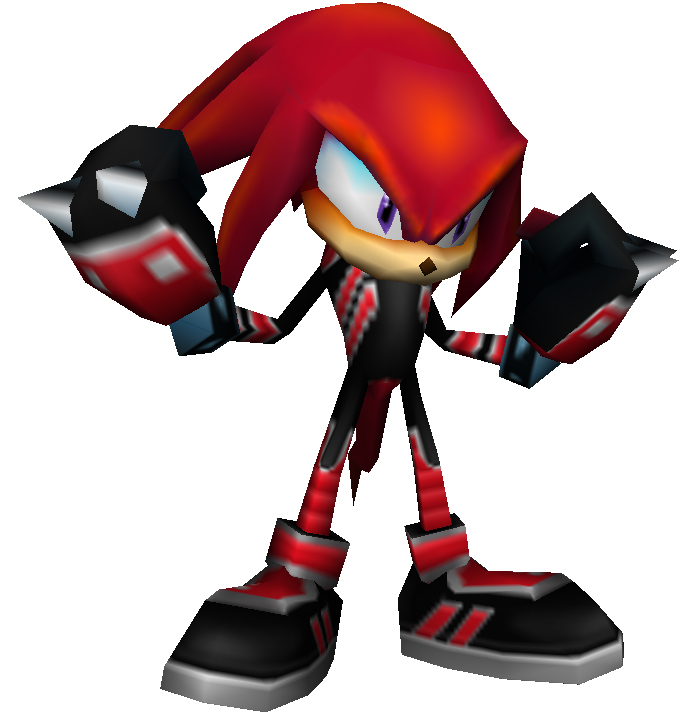
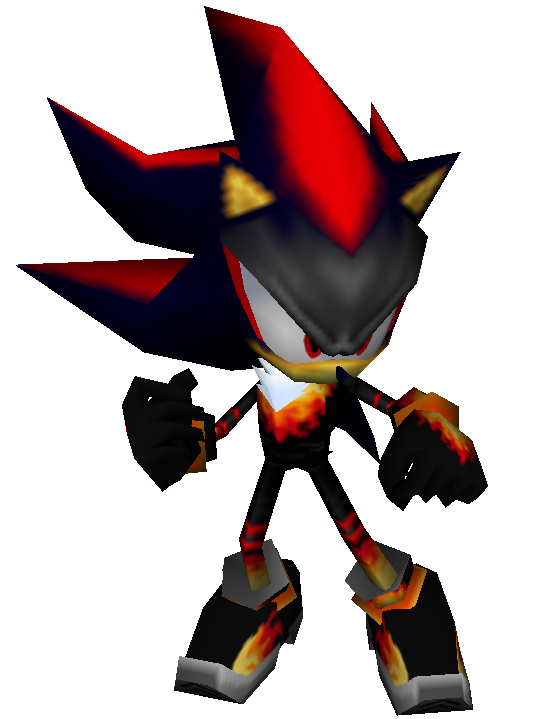
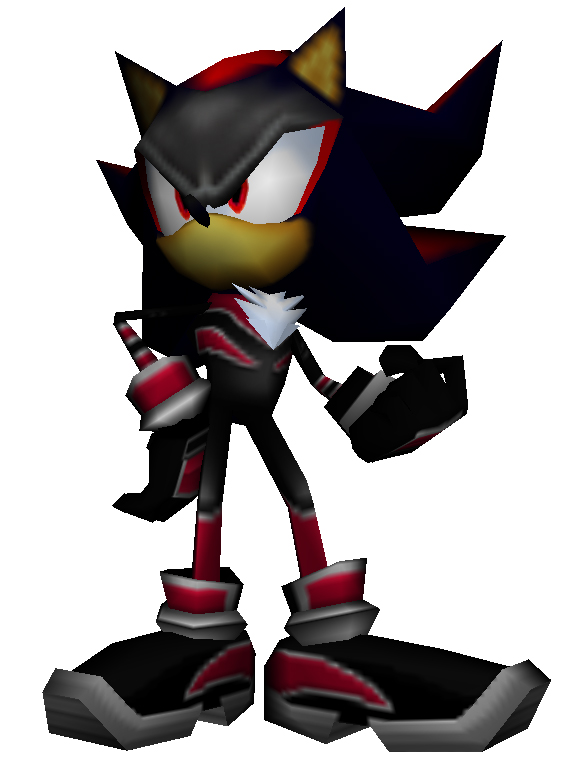
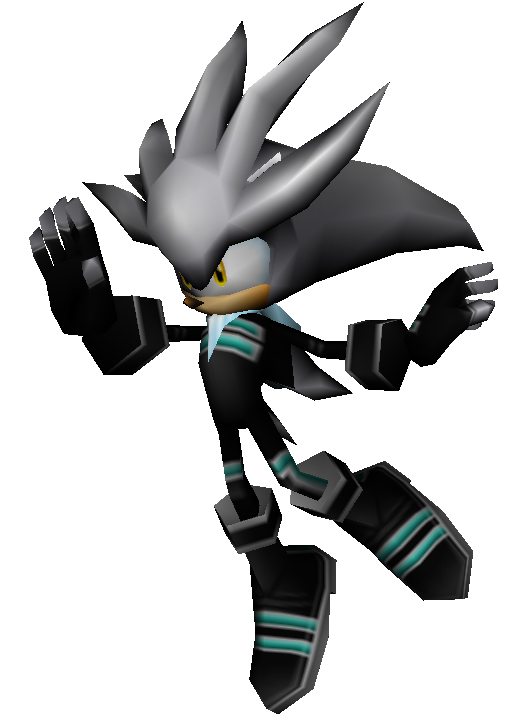
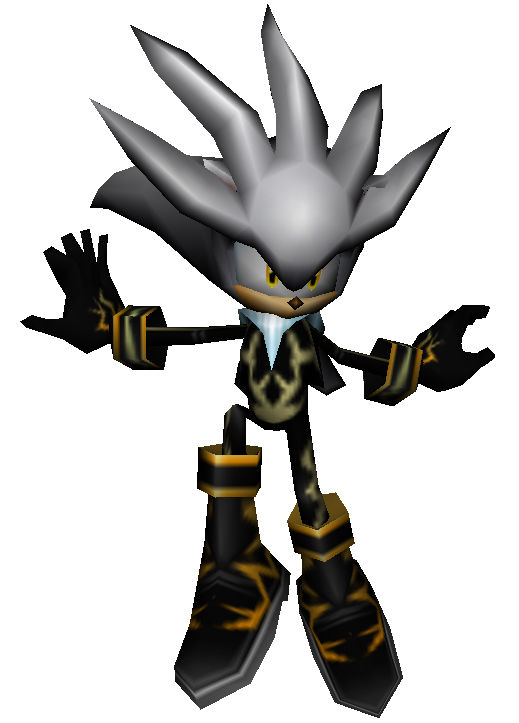
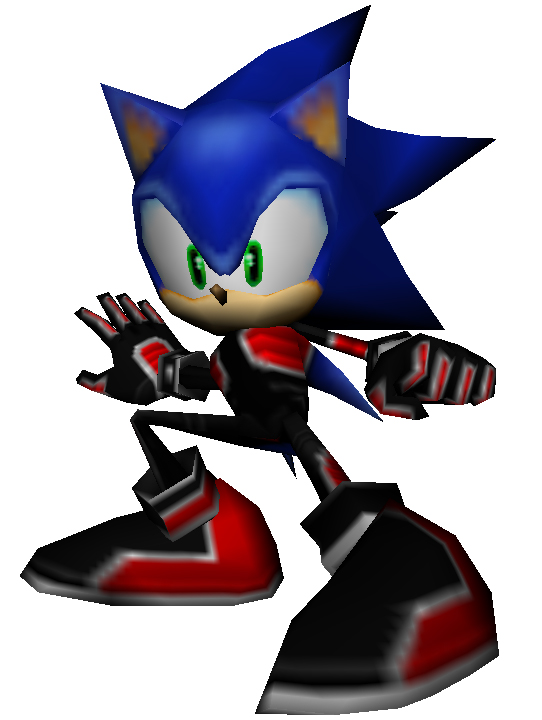
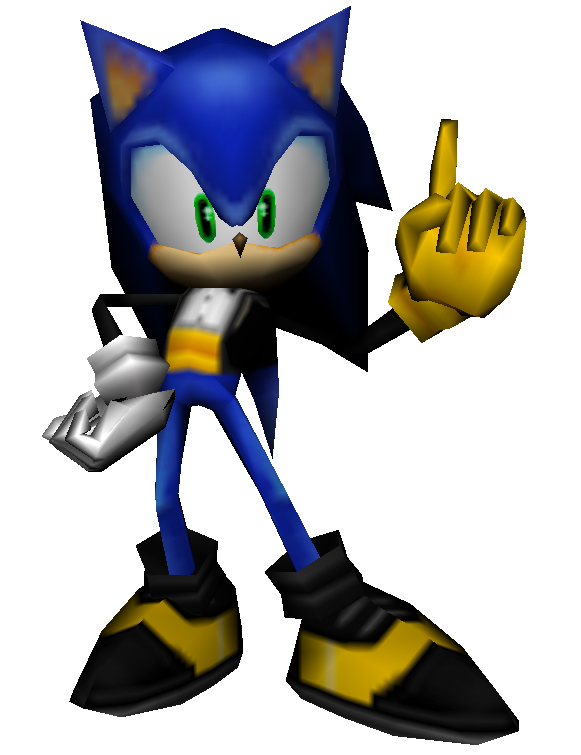
Cards can also be traded or wagered through the PSP’s local Ad Hoc connection. Betting a valuable card against another player gives races additional stakes, but the lack of online play severely limited the feature. Sonic Rivals is at its best against another person, yet both players need their own PSP and copy of the game while being physically nearby.




Visually, the game makes good use of the PSP. Characters and environments are presented in 3D while movement remains largely restricted to a side-scrolling plane. The stages communicate speed well, and the camera occasionally shifts perspective to show off loops, rails, and other set pieces.
The result is a game that captures an important part of Sonic’s appeal. Sonic Rivals is fast, colourful, and easy to understand, with a competitive hook that separates it from the series’ traditional platformers.
It simply runs out of surprises too quickly.
The shared stages, similar characters, occasionally unfair attacks, and absence of online multiplayer prevent Sonic Rivals from reaching its full potential. Still, the core racing can be genuinely exciting, especially when two evenly matched players are constantly trading the lead.
Sonic Rivals does several things right and moves at exactly the speed its name promises. It may not go the extra mile, but there is still a fun and distinctive Sonic game waiting inside its limited package.
Rating: 7/10
Discover more from Sonic City ⋆★ Sonic the Hedgehog News, Media, & Community ★⋆
Subscribe to get the latest posts sent to your email.