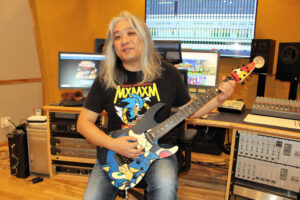
For decades, the sound of Sonic the Hedgehog has been inseparable from hard-hitting guitar tracks like “Open Your Heart” and “Live & Learn.” Behind those songs is Jun Senoue, lead guitarist of Crush 40 and one of the most influential composers in the franchise’s history. Now, a fan-made website called Thrill of the Tone has quietly become the most comprehensive public archive of the exact gear Senoue has used across Sonic games, albums, and live performances.
Built and maintained by a professional guitarist and longtime fan, Thrill of the Tone is not a speculation-driven gear list. Every entry is sourced from Senoue’s own tweets, forum posts, Mixi blog entries, official ESP artist pages, and careful analysis of live and studio footage. Where Senoue has given conflicting information over the years, the site cross-references multiple sources rather than guessing. The result is a detailed, citation-heavy archive that documents guitars, amplifiers, pedals, rack units, strings, tunings, and even firmware versions used on specific recordings.
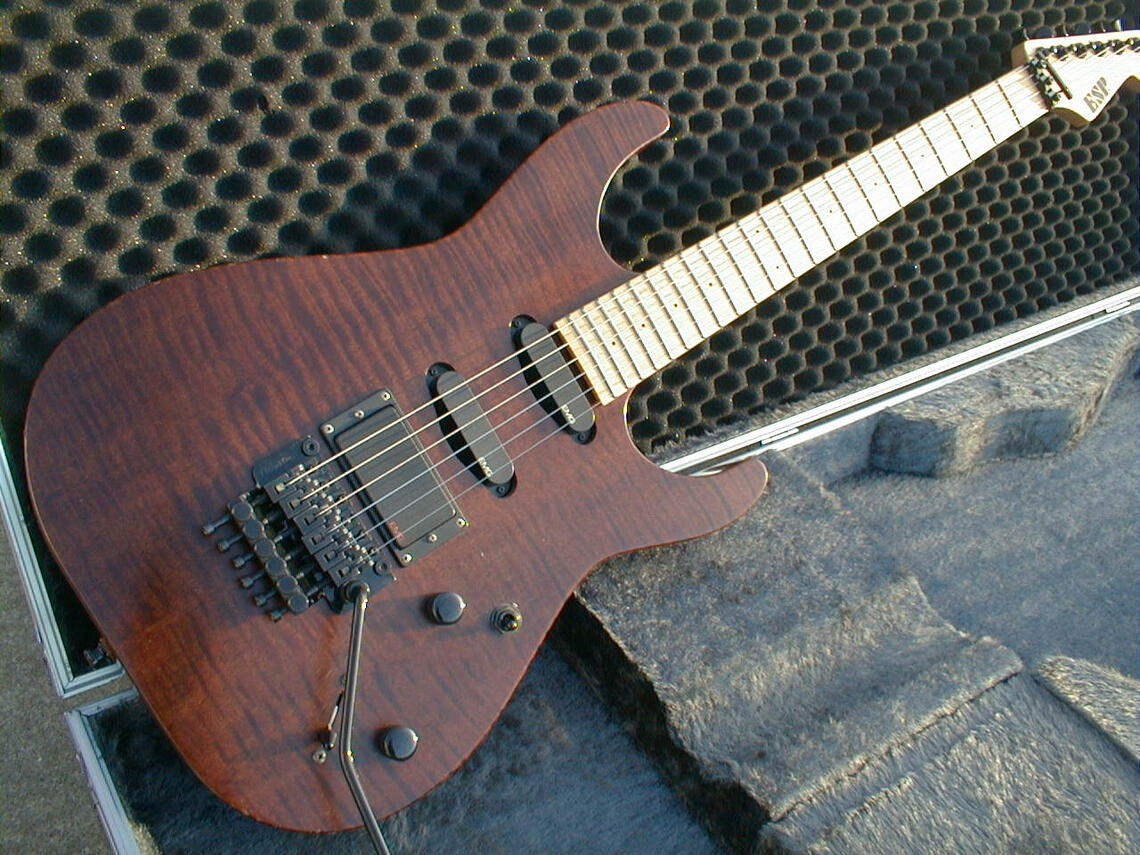
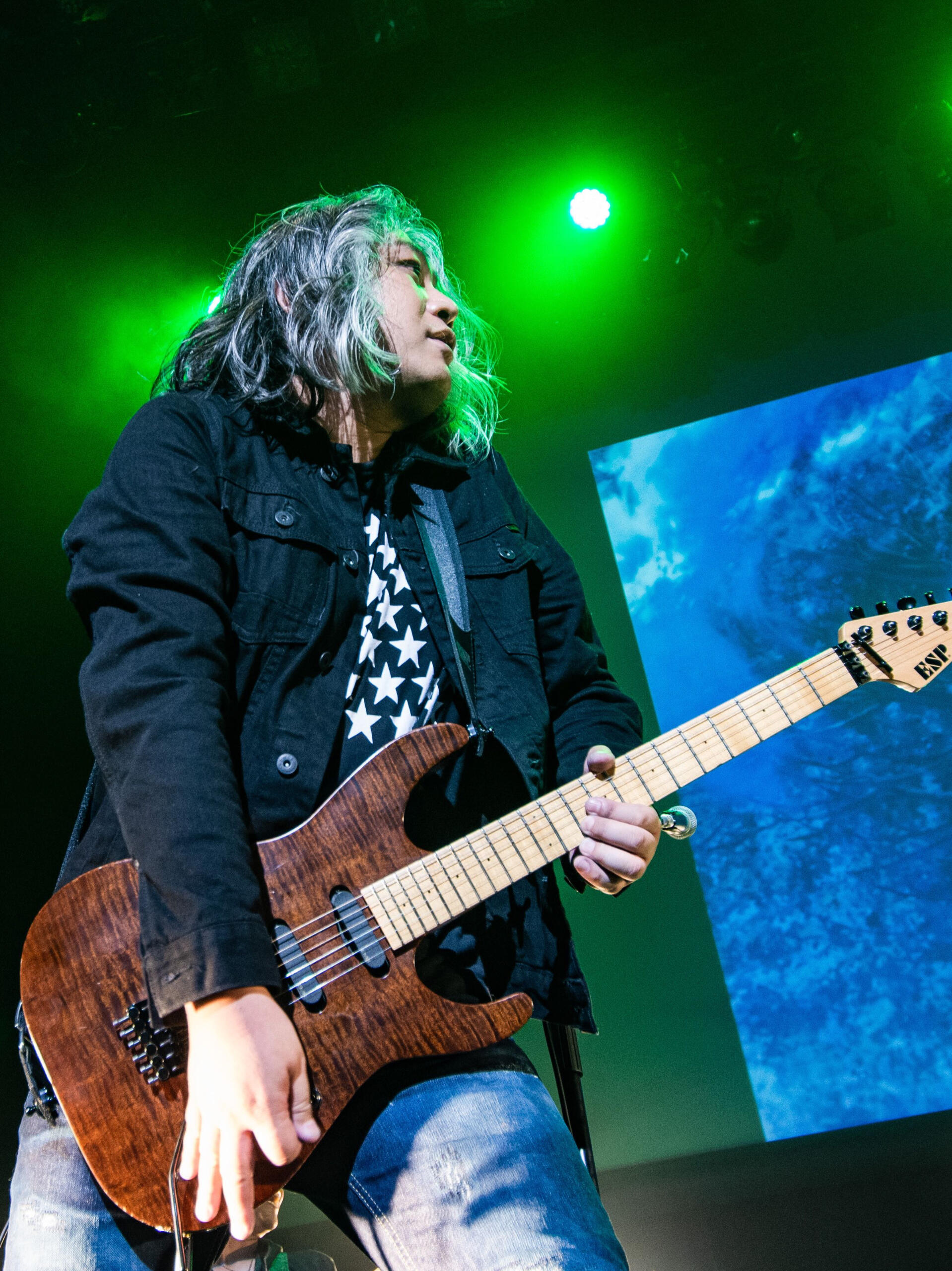
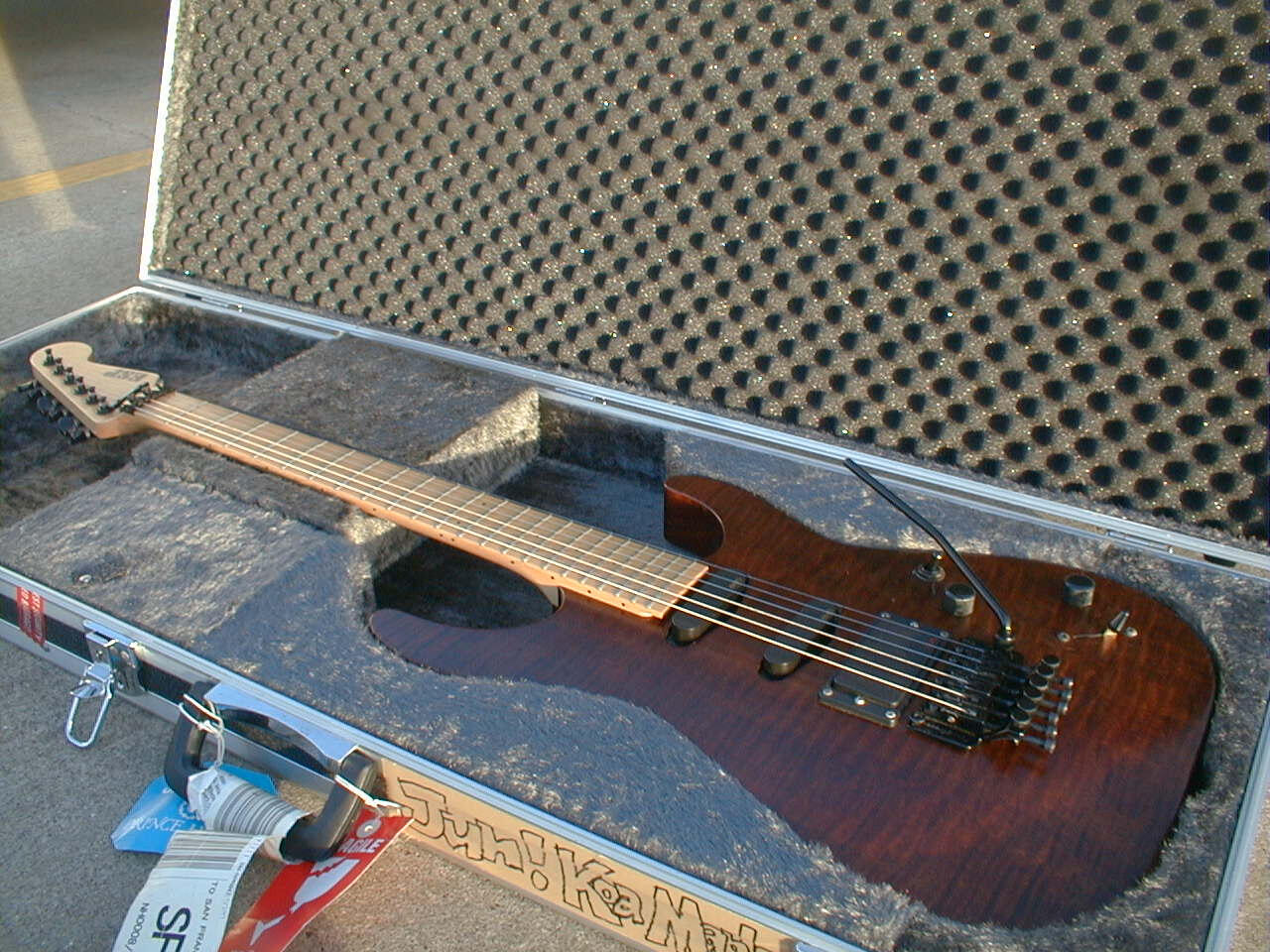
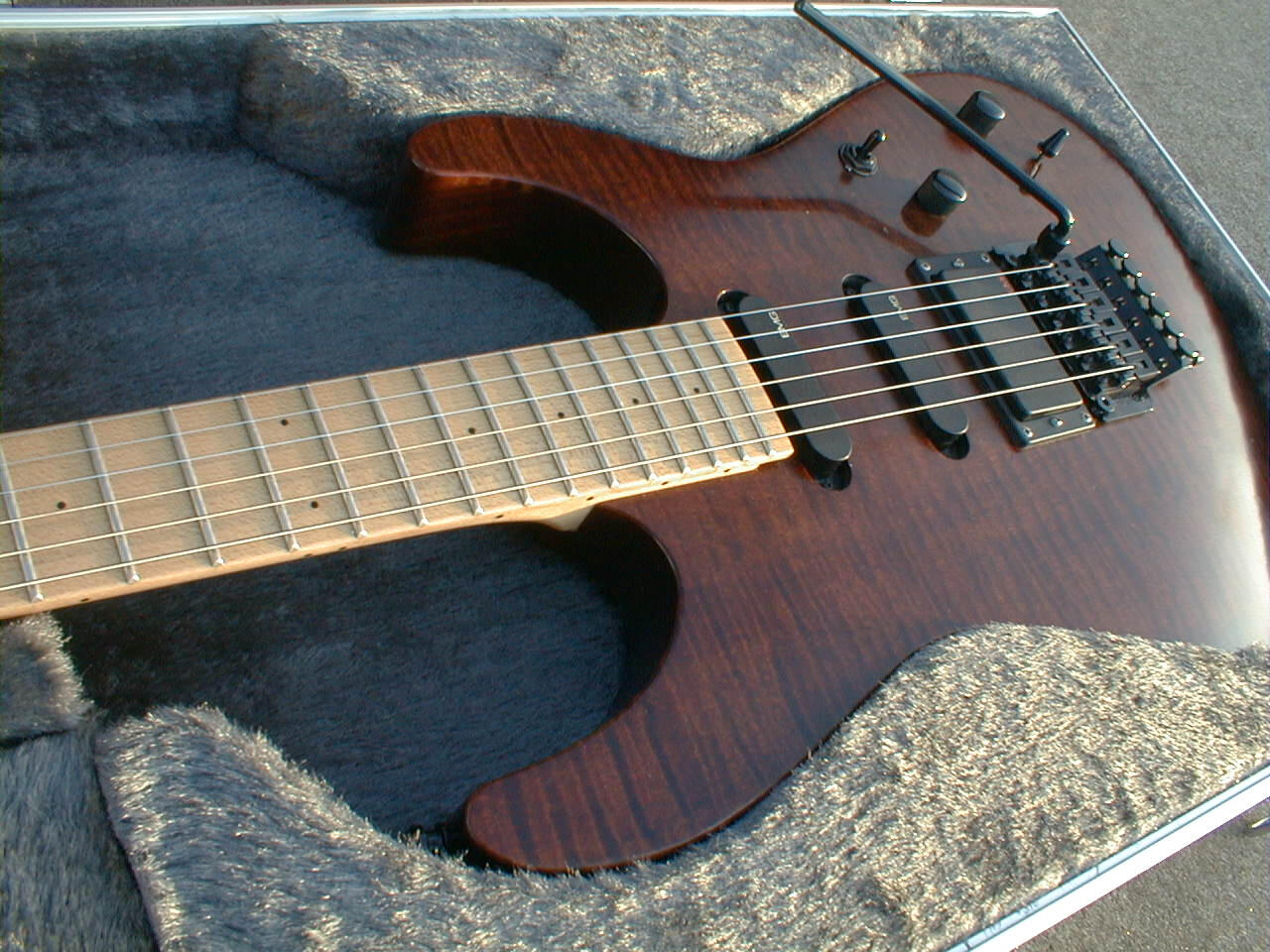
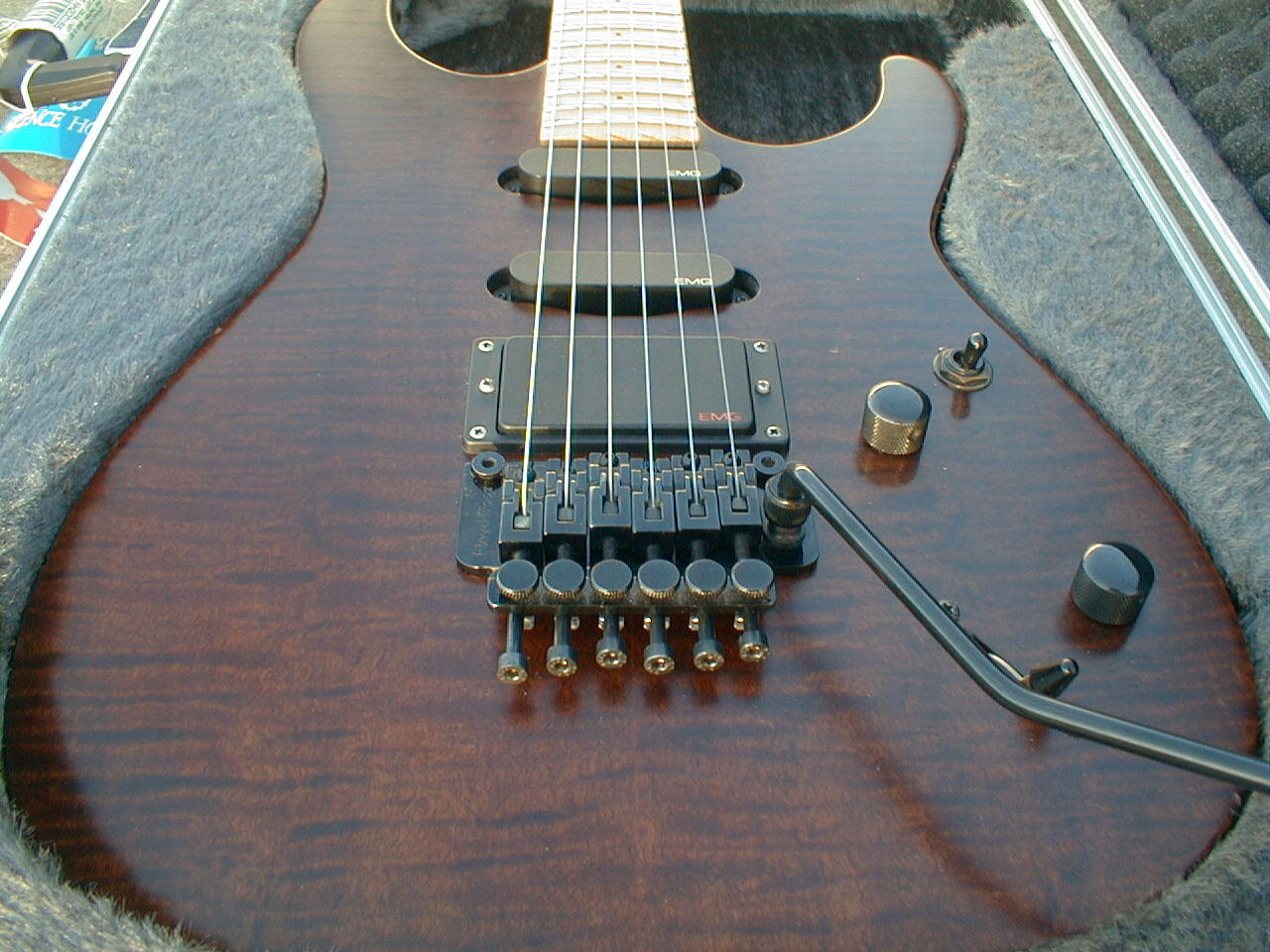
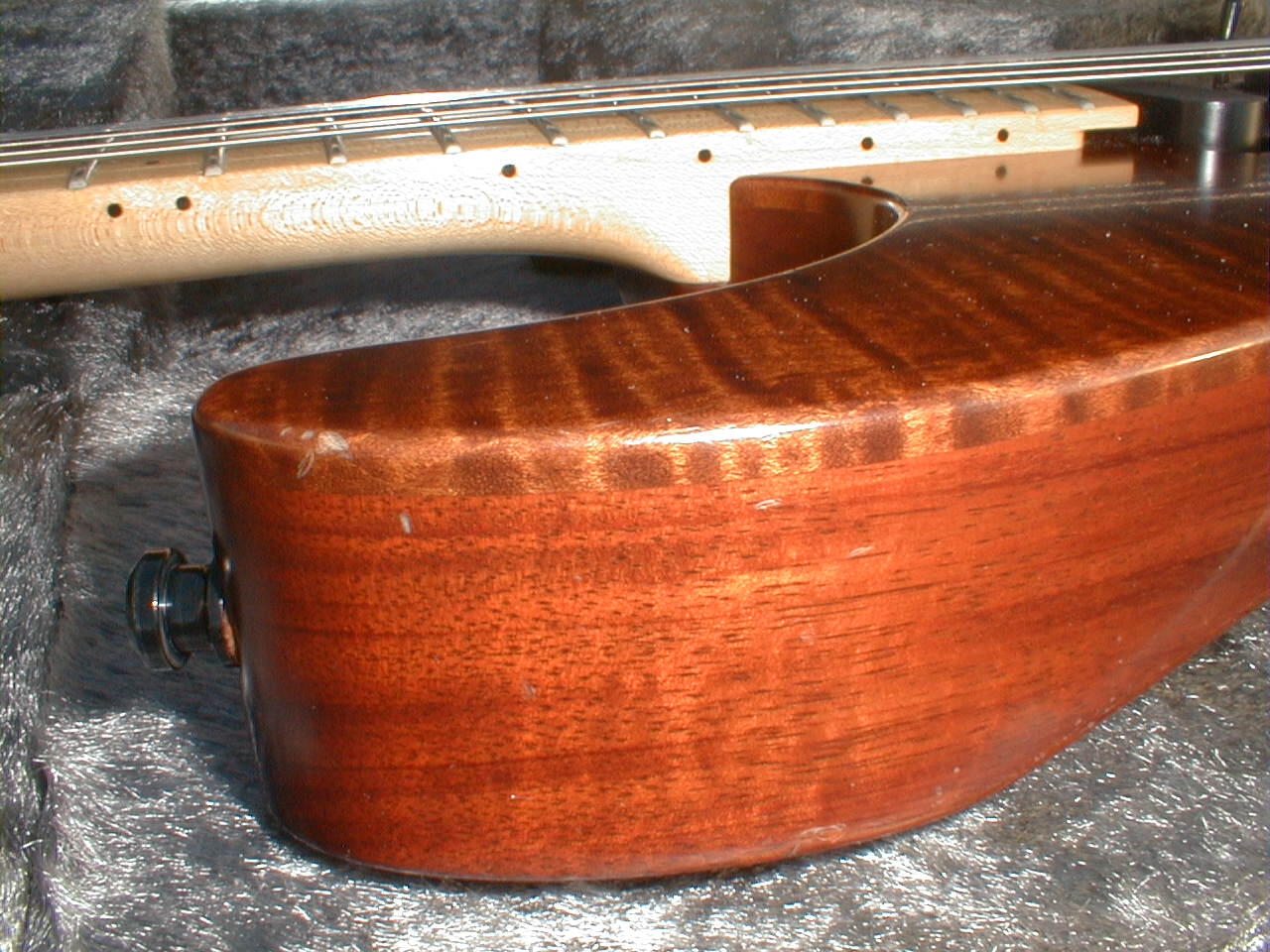
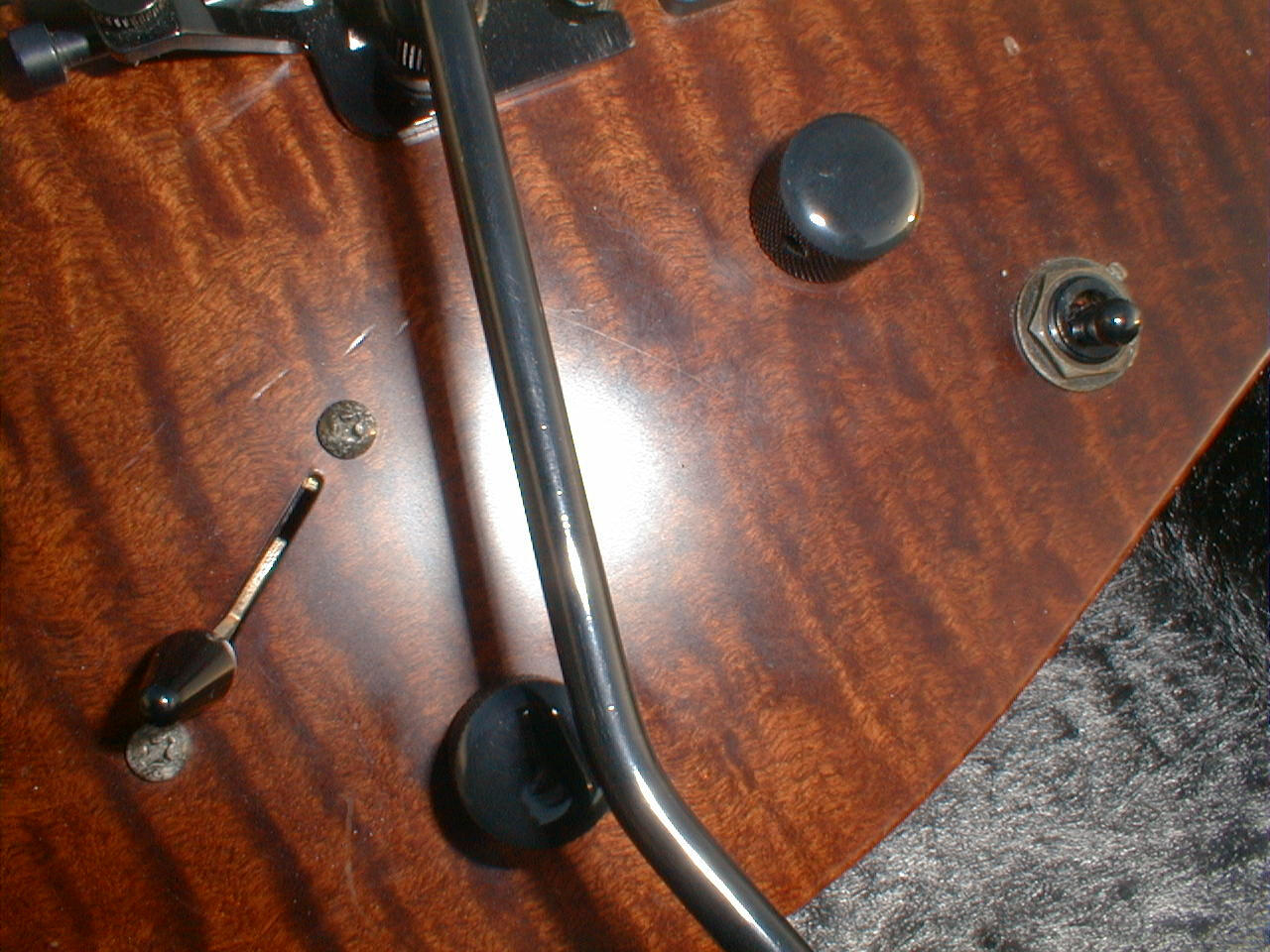
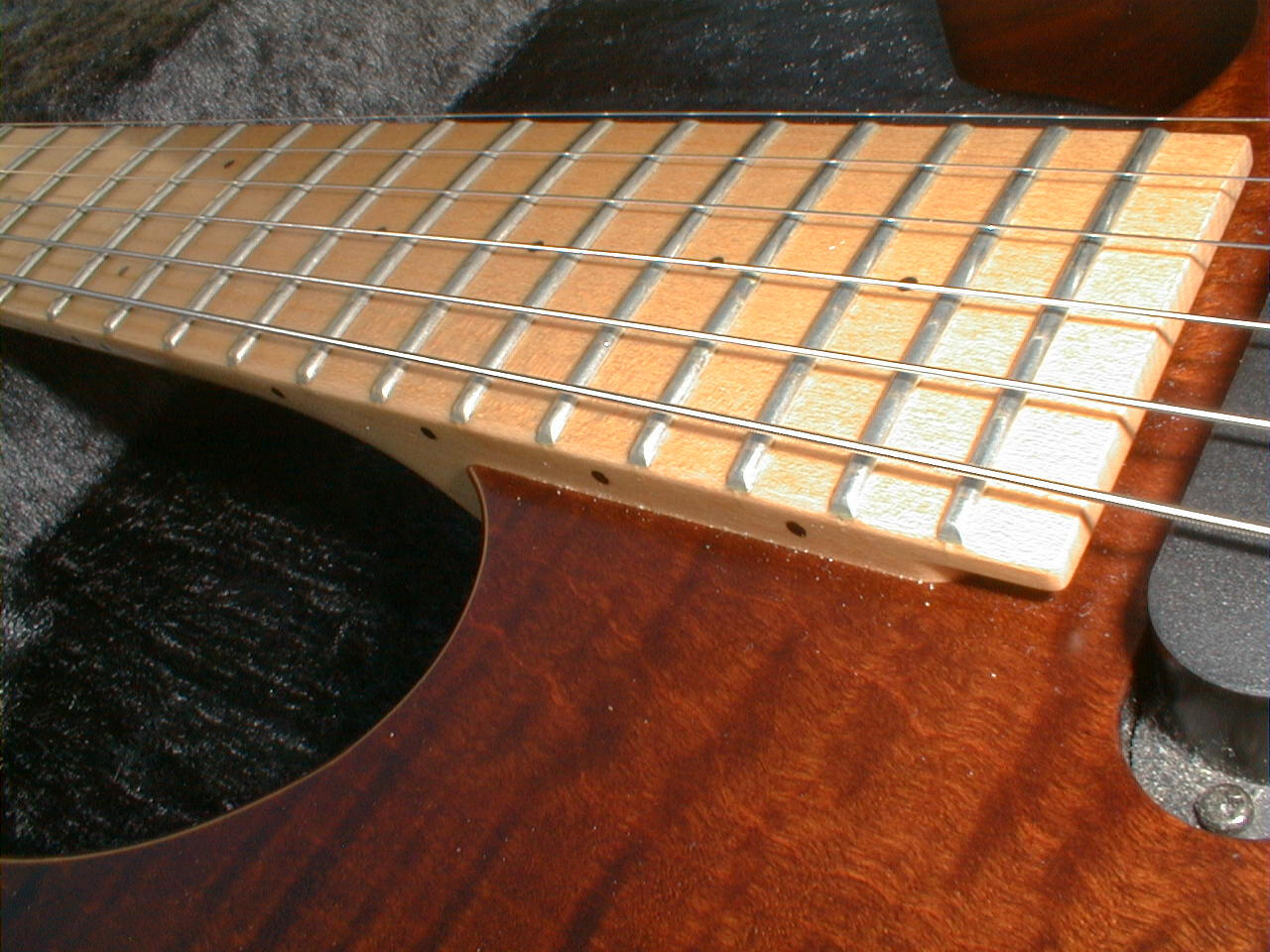
The site reveals that much of Sonic’s late 1990s and early 2000s rock sound was built around a small number of key instruments. One of the most important is a custom ESP guitar commissioned in 1997, built with Hawaiian koa wood and fitted with an EMG 89 and two EMG SA pickups. That guitar became Senoue’s primary recording instrument during Sonic Adventure and Sonic Adventure 2, and is directly linked to tracks such as “Open Your Heart,” “Live & Learn,” and “What I’m Made Of…”. According to the archive, that specific pickup configuration is one of the defining elements of Sonic’s 3D-era guitar tone.
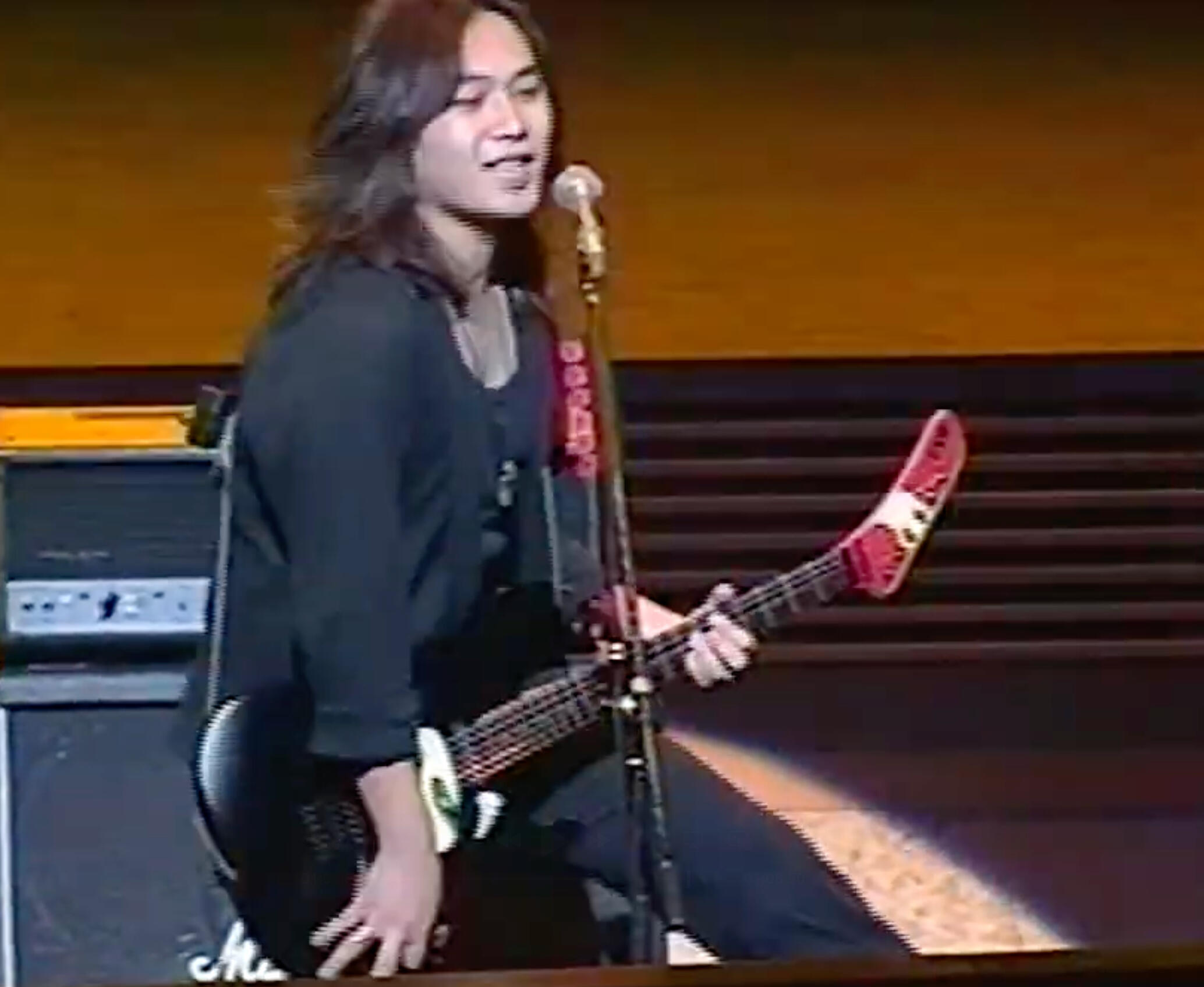
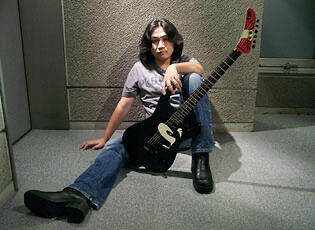
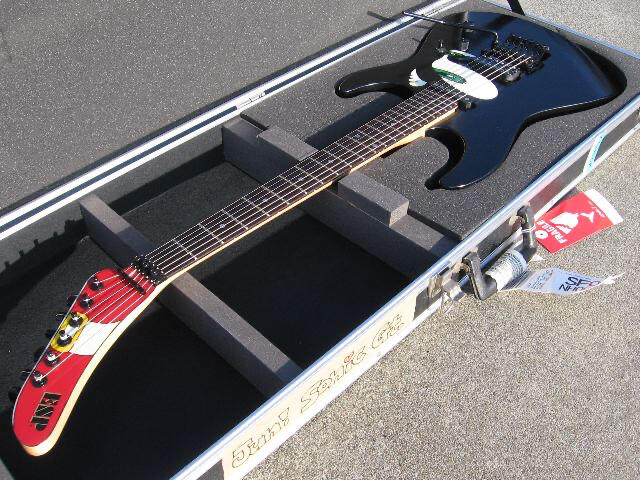
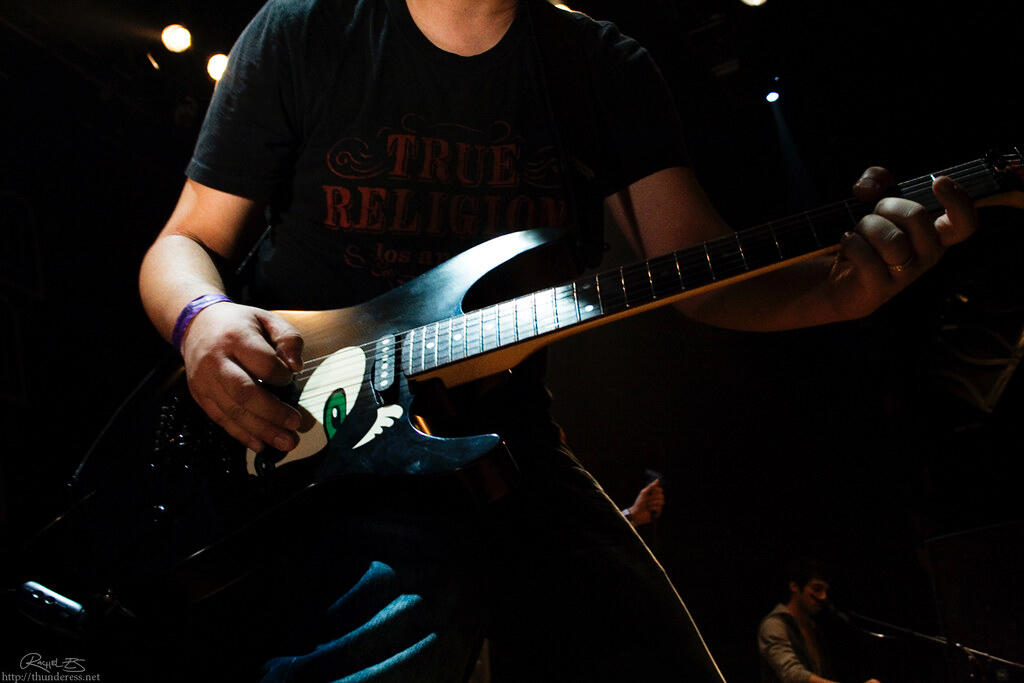
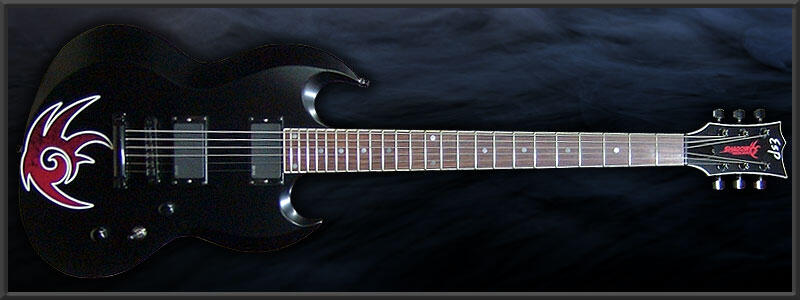
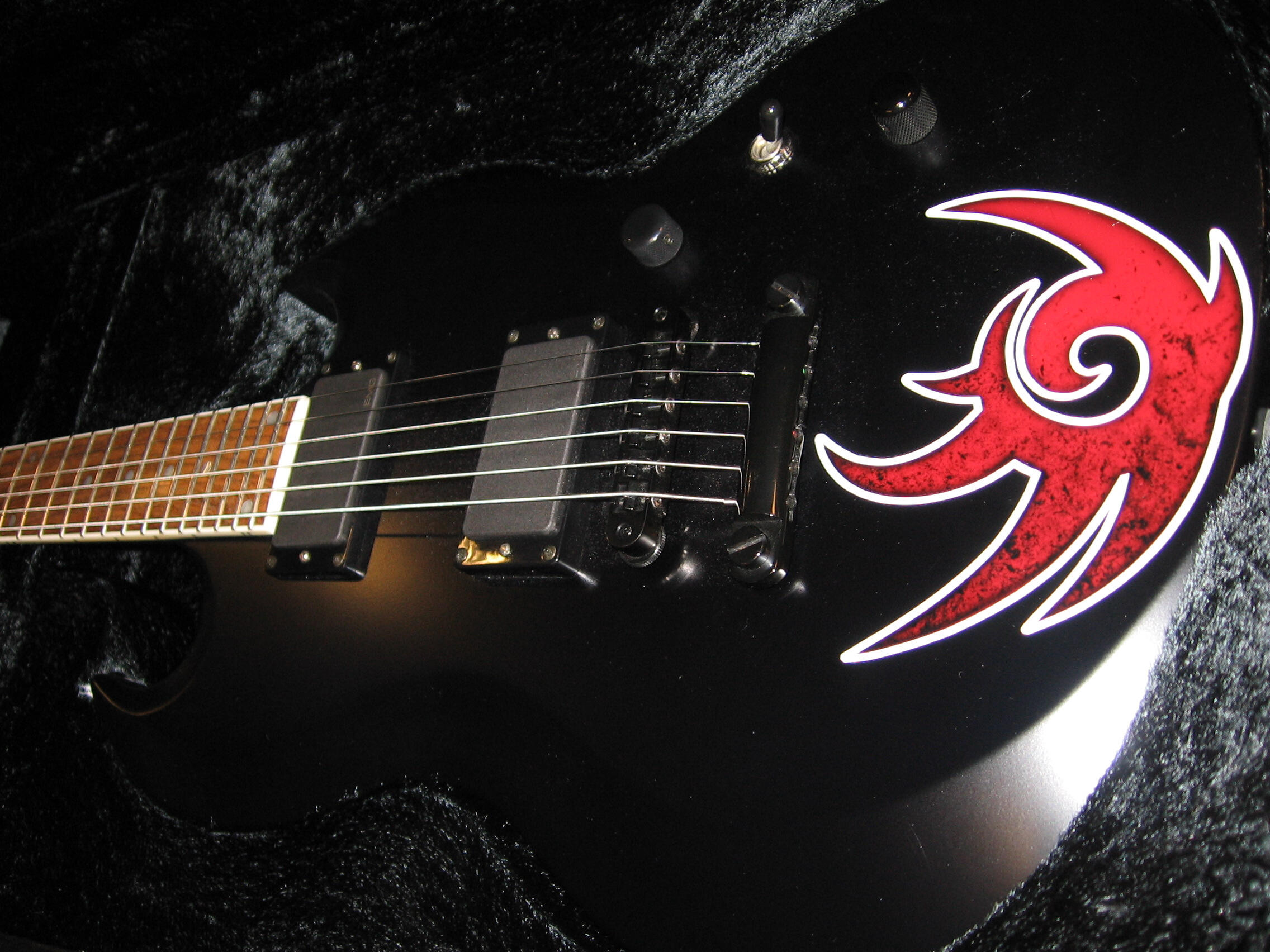
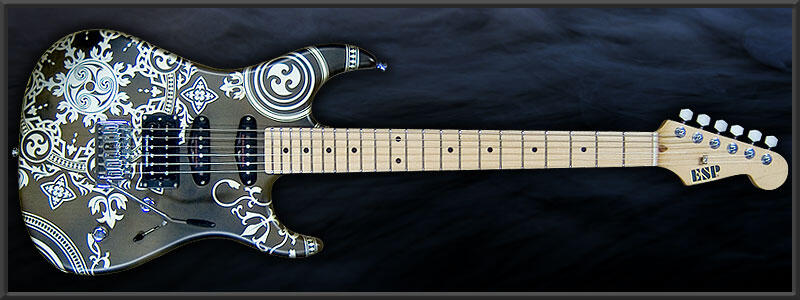
Several of Senoue’s guitars were built as direct extensions of Sonic’s world. His black ESP “SONIC” guitar, first unveiled during the Sonic Adventure era, features Sonic’s eye and grin on the body and has been used live for many of the franchise’s most recognizable songs. An ESP Viper themed around Shadow the Hedgehog was tuned specifically for heavier material and used primarily for “I Am… All of Me” and “With Me.” For Sonic and the Black Knight, ESP produced a custom “Black Knight” guitar featuring artwork from the game itself, which Senoue debuted publicly at Tokyo Game Show in 2008 while performing “Knight of the Wind.”
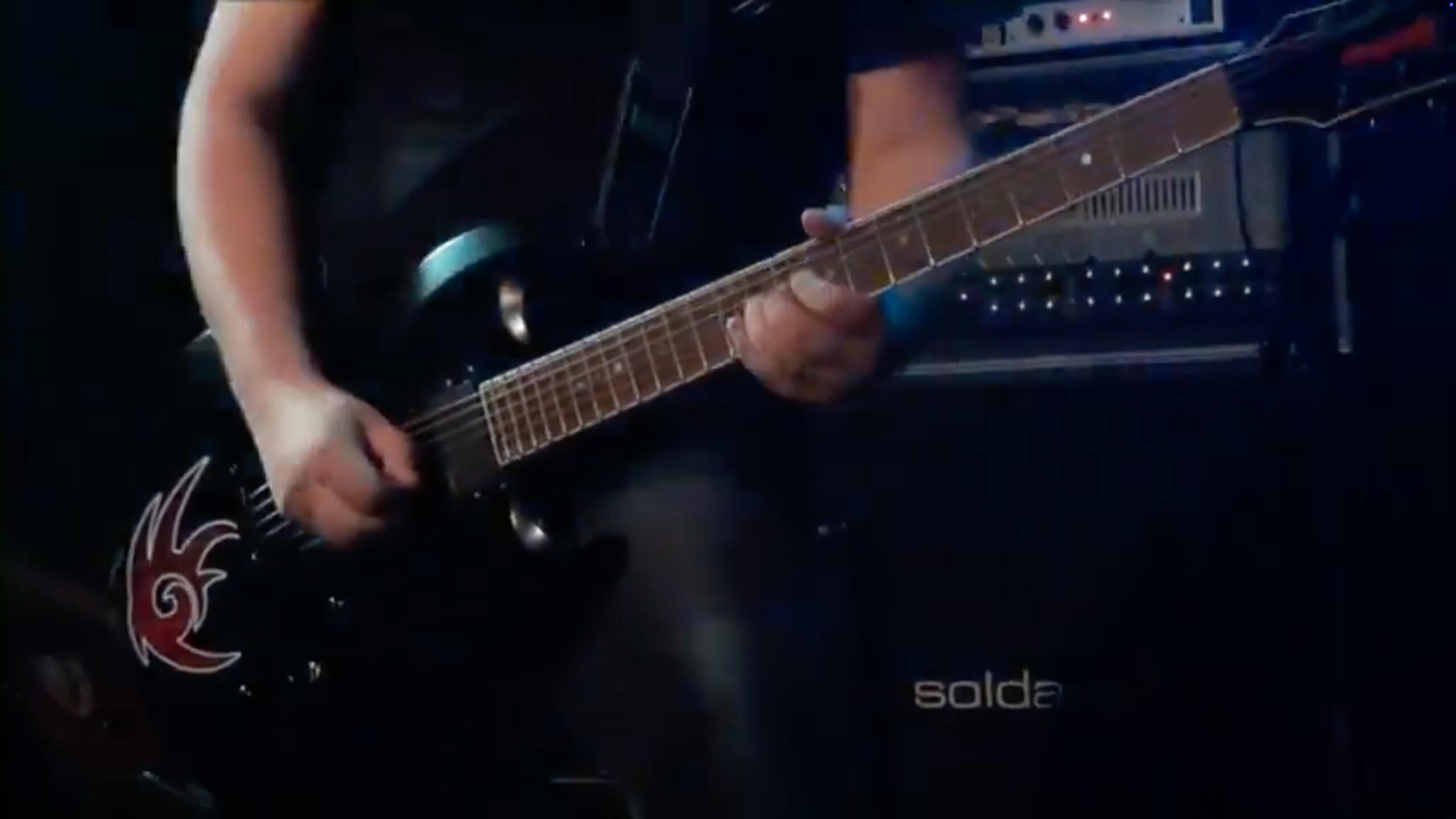
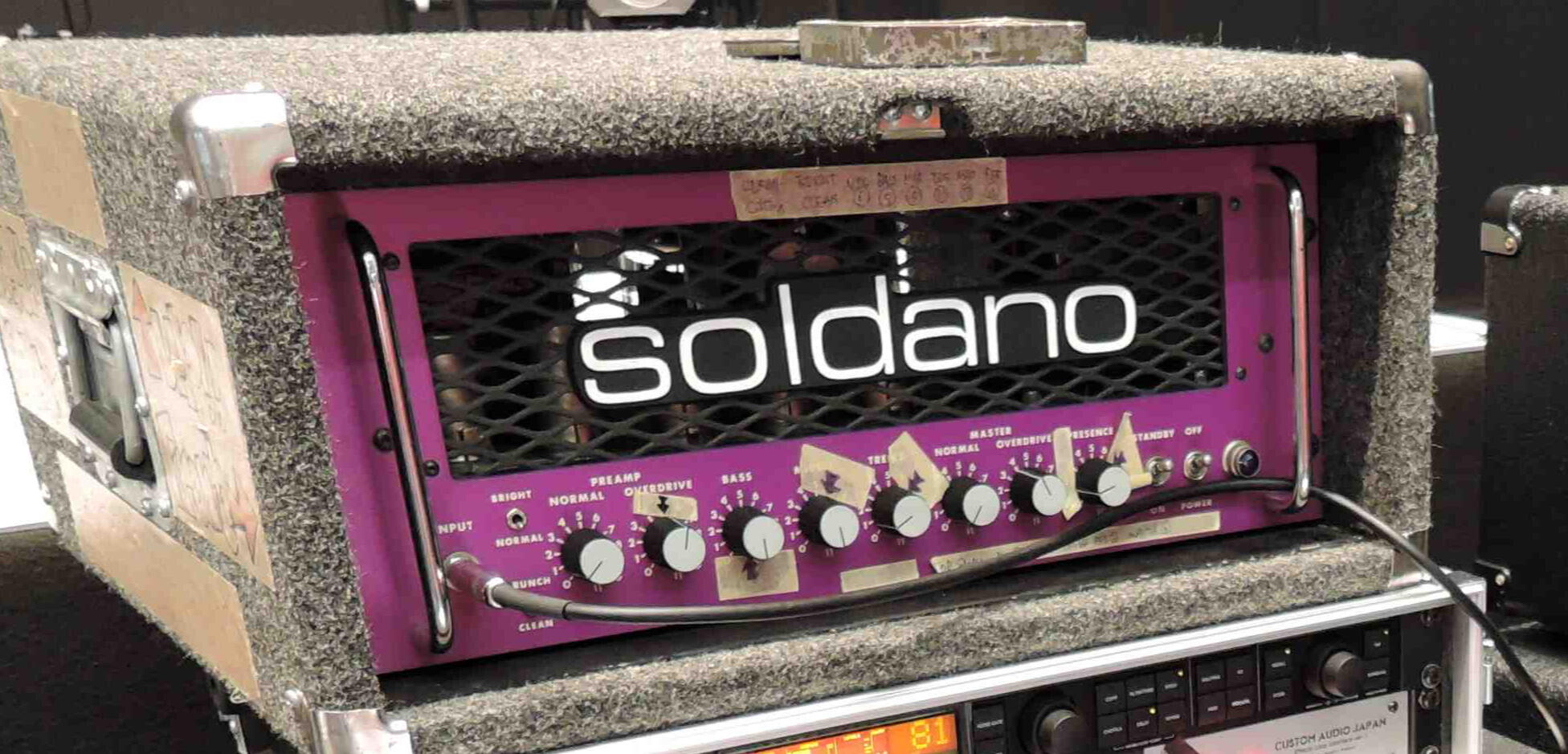
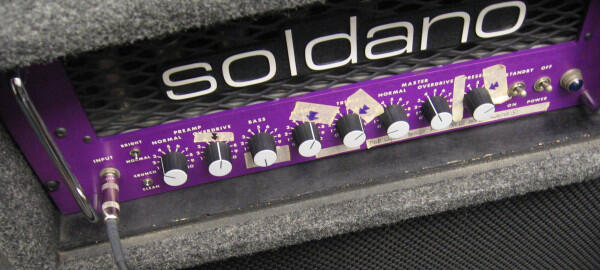
Amplification played an equally important role. During the Sonic Adventure era, Senoue relied heavily on a Soldano SLO-100R tube head paired with a Soldano 4×12 cabinet loaded with Eminence speakers. That setup delivered the saturated yet articulate distortion heard throughout late 1990s Sonic rock tracks. By the time Sonic Adventure 2 and Sonic Heroes entered production, Senoue shifted toward digital amp modeling, building his studio rig around a Line 6 POD Pro combined with a VHT Valvulator tube buffer. This change allowed him to achieve consistent high-gain tones while working more efficiently, and Thrill of the Tone links specific POD settings and configurations to individual songs.
Later projects, including Shadow the Hedgehog and Sonic and the Black Knight, saw Senoue transition to the Line 6 PODxt. The archive documents how different firmware versions affected tone and why certain updates were avoided to preserve compatibility with earlier presets. Rather than presenting this as trivia, the site explains how these technical choices directly shaped the sound of specific tracks.
Effects are cataloged with the same level of care. Senoue’s use of a Digitech Whammy accounts for many of his pitch-shifted dive bombs and harmonized leads. Flanger units are responsible for the sweeping intro textures heard in “Open Your Heart,” while phasers, chorus pedals, and auto-wah effects were used selectively to add movement rather than clutter. Each effect is tied to concrete examples rather than generalized descriptions.
Beyond documentation, Thrill of the Tone also functions as a practical resource. The site hosts carefully transcribed guitar tabs and playing tutorials for Crush 40 and Sonic tracks, focusing on accuracy rather than simplified arrangements. Song-specific rig breakdowns explain how parts were recorded, which guitar was used, and how effects were stacked. For fans who want to play the music themselves, it offers the closest available blueprint to Senoue’s actual setups without claiming that gear alone can replicate his playing.
What makes the archive notable is its restraint. It does not speculate, embellish, or mythologize. It preserves information that would otherwise be scattered across social media posts, defunct blogs, and low-resolution concert footage. In doing so, it quietly safeguards a technical record of how Sonic’s rock identity was built during one of the franchise’s most influential periods.
For Sonic fans, musicians, and preservation-minded readers, Thrill of the Tone stands as an amazing example of fandom doing archival work properly. It treats Jun Senoue’s gear not as trivia, but as part of Sonic’s creative history, documented carefully so it does not disappear.
Discover more from Sonic City ⋆★ Sonic the Hedgehog News, Media, & Community ★⋆
Subscribe to get the latest posts sent to your email.